

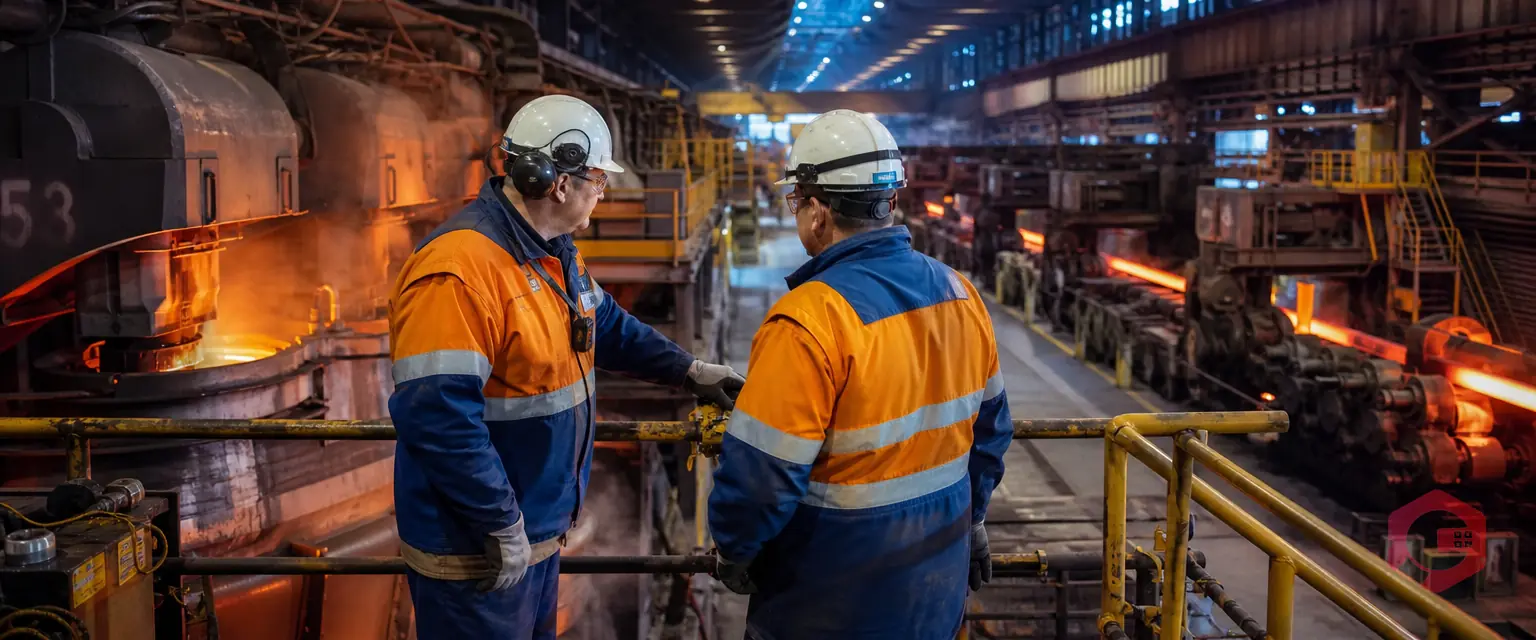
Over the years, a considerable group of plant managers has gone along with downtime as the necessary cost of doing business. Such an attitude is dangerous in the modern market. Downtime is no longer a mere irritation; but a giant which is sucking your profit and eating your employees alive. The ripple effects of machine failures are catastrophic to supply chains with U.S. manufacturers losing an estimated 647 billion per year. However, there is a change going on. We are leaving behind the days of reactive firefighting and strict preventive schedules. The industry is moving to a data-driven future where we are not only dealing with failures; but we also forecast them and eliminate them altogether.
Predictive Maintenance (PdM) is a proactive approach whereby pieces of equipment are predicted by using the data to determine the precise moment when the equipment will be expected to fail. PdM is based on the real-life situation on the asset, unlike the preventive maintenance that is utilized based on a set timeline (e.g. change a filter after every 30 days whether it is clogged or not).
When a critical asset fails, the immediate cost is obvious: the lost revenue from stopped production and the bill for emergency repairs. But for a plant head or maintenance manager, the hidden costs are often more damaging.
The Human Cost: Uncontrolled downtimes cause a culture of firefighting with high stress. Technicians are hurried to repair heavy machinery in a hurry, and it actually increases the probability of safety accidents dramatically.
The goal of PdM isn't just to fix things faster; it is fundamentally change when you fix them.
Most equipment failures are degradation curves (so-called P-F curves). The non-linear degradation, e.g. a spike in vibration or a temperature rise, can be detected by sensors a few weeks or even months before the machine actually breaks down. This will provide you with lead time to place orders and schedule the repair.
PdM allows you to convert "emergency stops" into "scheduled pauses." Instead of a machine breaking down at 2:00 PM on a Tuesday during peak production, the data tells you the bearing will fail in two weeks. You can schedule the replacement for a Friday afternoon during a changeover or a low-activity window.
There is a cost to open up a machine that doesn't need to be fixed. It wastes technician time and introduces the risk of human error during reassembly. PdM ensures you maximize the uptime of healthy assets by leaving them alone until intervention is actually required.
Through the Digital Twin and the Augmented Reality (AR), the technician is capable now of seeing where the anticipated failure is in the machine before they can even put a wrench into the machine, a significant decrease in the Meantime to Repair (MTTR).
Sensors provide the data, but a Computerized Maintenance Management System (CMMS) provides the infrastructure to act on it. Think of sensors as the nerves detecting pain, and the CMMS as the brain deciding what to do about it.
A modern CMMS serves as the central command for PdM by providing:
When you marry real-time sensor data with a robust CMMS, the operational benefits compound.
A predictive strategy implementation needs a platform that is able to process the stream of data and transform it into action. Cryotos CMMS is constructed to fill the gap between the industry 4.0 technology and the day-to-day maintenance implementation.
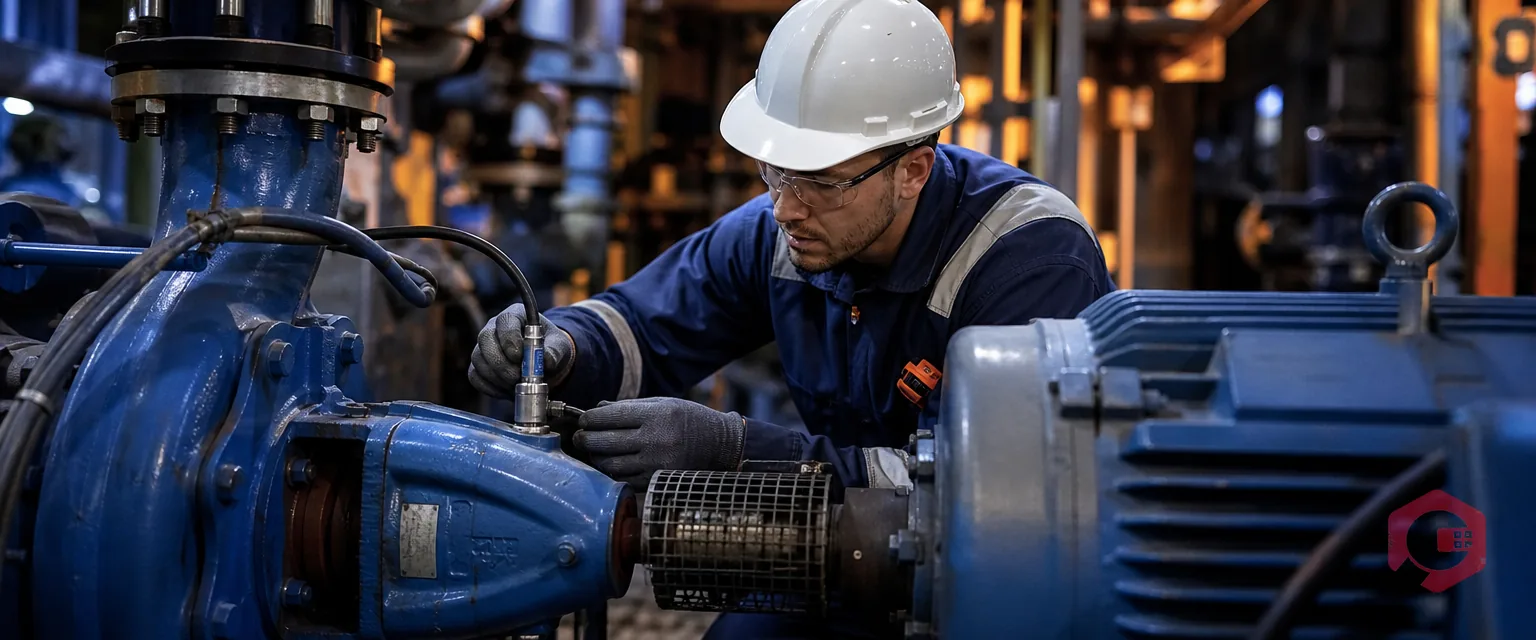
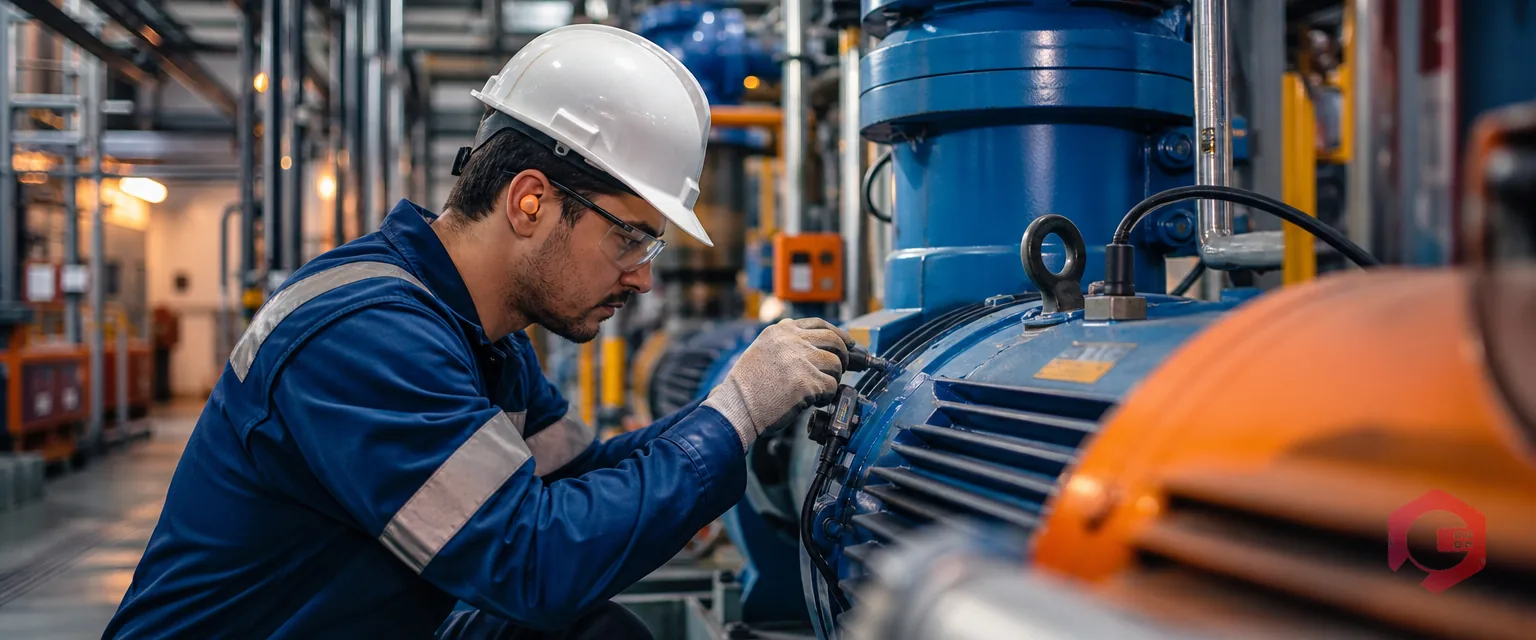
Cryotos has a full-fledged IoT Meter Reading component which is connected to sensors, SCADA systems, and PLCs. It consumes real-time data, be it temperature or vibration or cycles, and inserts it right into the asset record. This provides a live health profile on each piece of equipment of critical concern.
One cannot do anything with data in a silo. Cryotos automated the reaction. You are able to add certain thresholds (e.g. "When motor temperature over 80degC). Once this is met, Cryotos will automatically create a work order, assign the work order to the technician who is at the same place and who has the appropriate skills, and the work order is then labeled as high priority.
Predictive alerts need to reach the floor instantly. The Cryotos mobile app ensures technicians receive push notifications about developing issues immediately. They can access the asset history, view the anomaly data, and check manuals right from their device-even if they are offline.
Cryotos empowers managers to visualize the "health curve" of their operation. With custom dashboards tracking KPIs like MTBF and availability percentages, you can prove the ROI of your maintenance strategy. The system effectively targets the 30% reduction in downtime and 25% decrease in repair times that Cryotos users often experience.
You are not only saving repair costs by going beyond a reactive model of firefighting to a predictive model. The fact is, you are essentially stabilizing your supply chain and liberating your workforce to concentrate on value-addition and not emergency repairs that lead to stress. Platforms such as Cryotos have become the core of this change, not only as a database, but as the smart interface that converts raw sensor data into appropriate work orders that can be acted upon in time.
The combination of Industry 4.0 technologies that lie ahead of us (like 5G connectivity and Explainable AI) will only serve to sharpen and accelerate these insights. Nevertheless, you do not have to wait to start in the future. Failure prediction technology is being offered today.
The ultimate competitive advantage of making a transition to predictive maintenance. It creates a strong operation that optimizes the life of assets, safeguards profitability, and makes sure that your business moves the market as opposed to responding to it.
Cryotos AI predicts failures, automates work orders, and simplifies maintenance—before problems slow you down.



