The telephone bell is ringing like a mad-dog; the conveyor-belt is dead and this is very critical, and the only technician knowing how to rectify the situation is elsewhere. Meanwhile, a stack of paper forms that were covering a safety audit request three weeks ago is lying on your desk. It is not just a bad morning but that is the order of the day to most facility managers.
Gone are the days when one had to use such tools as whiteboards, sticky notes, and fragmented spreadsheets to manage the complex maintenance operations. The sector is fast becoming digitalized and automated with decisions being made based on information rather than conjecture.
Enter Cryotos CMMS. Cryotos is designed to eliminate chaos and make your maintenance department a streamlined and capable proactive entity.
If your maintenance team feels like they are constantly running on a treadmill but never moving forward, the problem likely isn't your people-it's your process.
Most of the organizations do not realize the financial hemorrhage due to a lack of efficient management of work orders. It is not merely the aggravation of the inefficiency of interests: it is the interest on interest. By sticking with manual processes, you are not merely throwing away time, but you are literally paying the price and it is going straight to your bottom line.
The four principal dangers of the status quo are the following:
We've all seen it: a message is received through a hallway talk, a sticky note or a buried email chain. These requests fall into a black hole without having a centralized system.
It is like piloting an aircraft with a blindfold to have a maintenance team operating without digital monitoring. Unless you are aware of the current status of the open work orders in real time, then you would not be able to manage your resources.
The saying that nothing is written down, it has not happened is a legal term in such sectors as manufacturing, healthcare, and property management. Paper records are easily lost, stained with coffee, or write illegibly.
A quality software basis is what will make the transition to order in your business. Here is what "good" looks like:
Your system should serve as a source of single truth. A request can be received via a tenant portal, scan a QR code on a machine, or an IoT sensor trigger, and all of this should end up in the same dashboard. No more chasing emails.
One such bottleneck is a manual assignment. The current systems rely on logic to assign tasks automatically. Electrical problem of high priority? It must be automatically directed to the senior electrician on shift bypassing the general queue.
Technicians are not supposed to be attached to a desktop. They require access to digital checklists, asset manuals, and history logs in their hands in the workplace to address the problem more promptly.
Maintenance is a team sport. A proper platform allows real-time communication instant feedback and photo sharing as well as status updates among requesters, facility managers, and field teams, eliminating phone tags.
Shutting down a ticket should not be a form of rubber stamp. A powerful system would require root-cause investigation and cost tracking (labor + parts) to close a work order and be able to gather useful information to utilize it in the future.
Ready to digitize? Don't just buy software; build a strategy.
You can't manage what you don't track. Begin by cataloging every asset and tagging them (ideally with QR codes). This creates the digital skeleton for your work orders to attach to.
Establish standard response times. If a freezer goes down, that's a "P1" (Priority 1) with a 1-hour response time. A flickering light might be a "P3" with a 3-day window. Automate these expectations.
Move your paper forms into digital fields. Make critical steps "mandatory" in the app so technicians cannot close a work order without completing safety checks or recording meter readings.
Software fails without buy-in. Show your technicians how the mobile app makes their job easier-eliminating paperwork and reducing travel time-rather than just being a tracking tool for management.
Although the tenets of the modern management are universal, Cryotos CMMS is developed to perform them perfectly with tools created to work with the reality.
The most notable distinction between a reactive and a proactive team that leads profitability is the proper management of the work orders.
Manage breakdowns no longer and instead manage performance.
Have the experience of an automated workflow. Schedule your demo with Cryotos CMMS now to realize how your maintenance operations can be changed.


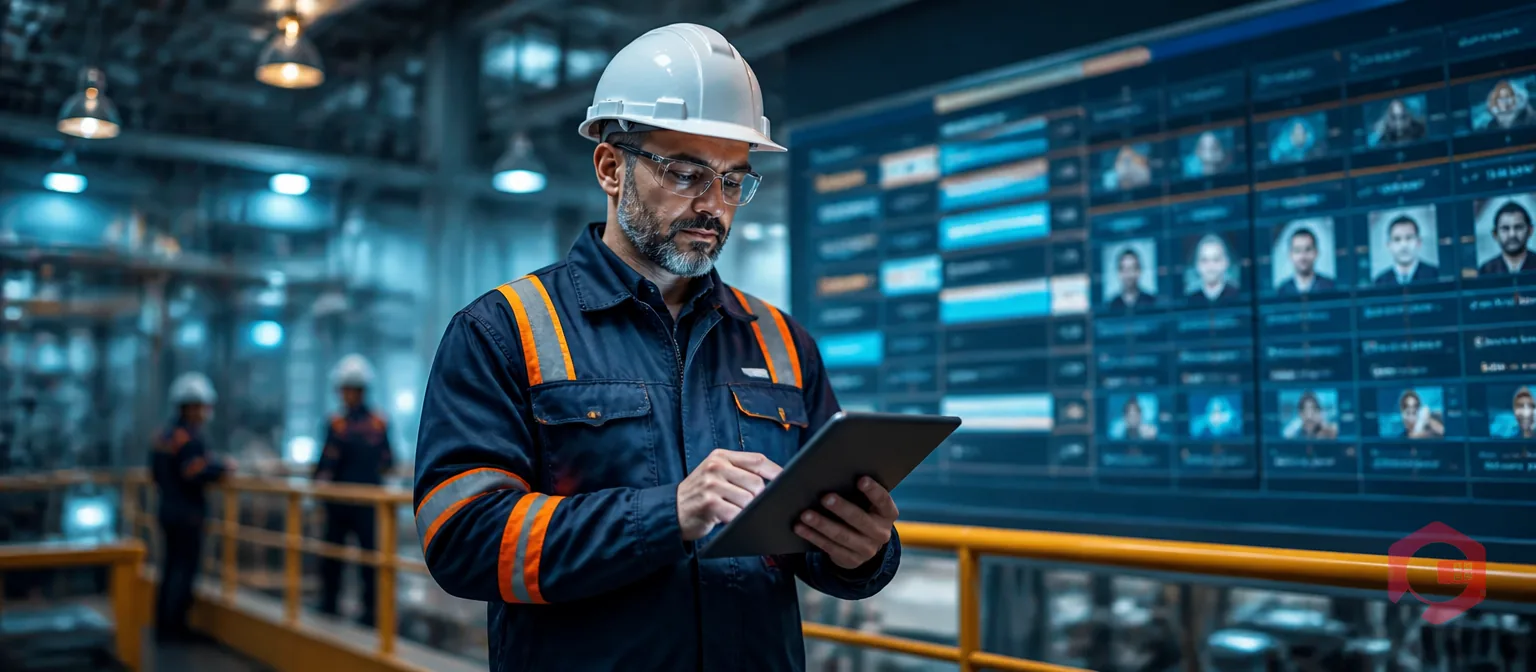
Cryotos AI predicts failures, automates work orders, and simplifies maintenance—before problems slow you down.