

Asset downtime is not just an inconvenience; it's a direct blow to your bottom line. Facility managers have long been using the broken windows model or strict schedules. The result of this reactive cycle is disastrous failures, indeterminate safety risks, and excessively costly results. It is like you are always putting out fires, not managing your assets; they are managing you.
The industry shifts the focus of equipment conservation towards conservation of purpose. It is Reliability Centered Maintenance (RCM). It is a strategic change to a culture of data as opposed to guesswork. RCM avoids wasting time by ensuring you do the right work at the right time; analysis of the unique risks of each asset helps to eliminate this type of waste.
The introduction of RCM does not necessarily need to be complicated. Cryotos CMMS offers the computer-based system that you are seeking. With AI and IoT, Cryotos will convert raw data into actionable information, and RCM will become a complex theory that can be dealt with in reality. We seamlessly and scalably transition you to proactive maintenance.
Reliability Centered Maintenance (RCM) is a strategic maintenance process that is aimed at ensuring that your assets keep on doing precisely what you require them to do within their respective operating environments.
As compared to the conventional ways, where a single schedule is enforced on all machines, RCM acknowledges the fact that not every asset is born equal. It is a process of systematic analysis to identify the most efficient maintenance strategy for each piece of equipment, be it preventive maintenance, predictive maintenance, or just run to failure.
Fundamentally, RCM changes the goalposts: rather than attempting to maintain the equipment (maintaining it as new), it looks at maintaining the functionality (maintaining it at a safe and efficient running condition). The outcome is a maintenance program that is uniquely designed to focus on safety and reliability and is effective in cutting down on unnecessary expenses.
To get a feeling of the strength of RCM, we should examine the development of maintenance:
An RCM strategy has to be implemented with an initial cost in time and analysis; however, the ROI in the long term cannot be disputed. This is the reason why the leaders in the industry are switching:
RCM helps you to perform the correct maintenance tasks by knowing the particular failure modes (how a certain part actually fails). This drastically enhances the uptime and reliability of the important assets.
RCM helps to do away with unnecessary maintenance activities. You eliminate the use of labor hours and parts on low-criticality machines, which can safely be allowed to run to death, concentrating your budget in the areas that count.
Safety is non-negotiable. RCM considers the failure modes that may harm the personnel or are against the environmental regulation, ensuring that the significant risks are averted and strong preventive actions are taken.
Get out of the mode of firefighting with your team and go into a planning mode. RCM predicts problems on the basis of data, which enables you to plan a repair time during normal outages and not emergency outages.
While the benefits are clear, the road to RCM can have hurdles. To counteract typical obstacles, this is how it is done.
You cannot implement a modern RCM strategy with pen and paper. You need a digital backbone. This is where Cryotos CMMS steps in.
Cryotos will give you the ability to complement the complicated needs of reliability-centered maintenance by incorporating AI and IoT technologies into your workflow.
Reliability Centered Maintenance (RCM) is not merely a checklist, but it is a strategic change that will make maintenance a cost center to a competitive advantage. You will have an easier time with your operations, a safer and more profitable operation that is not reactive and is also centered on risk, function, and data.
Reliability is a goal that does not need to be complex. You can acquire the insights of AI and IoT connectivity that will predict failures before they derail your business with Cryotos CMMS.
Ready to stop fixing and start optimizing? Don't wait for the next breakdown to force your hand. Partner with Cryotos and build a maintenance strategy that works as hard as you do.



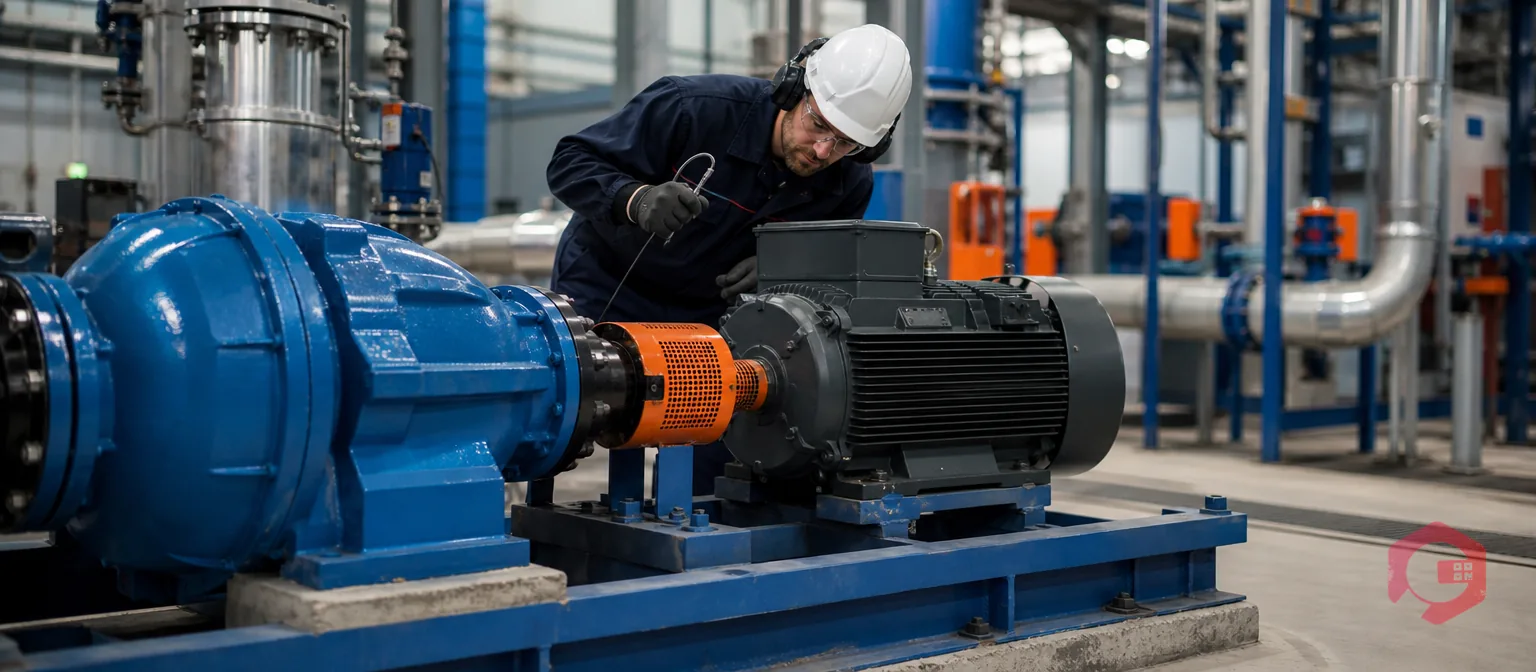
Cryotos AI predicts failures, automates work orders, and simplifies maintenance—before problems slow you down.



