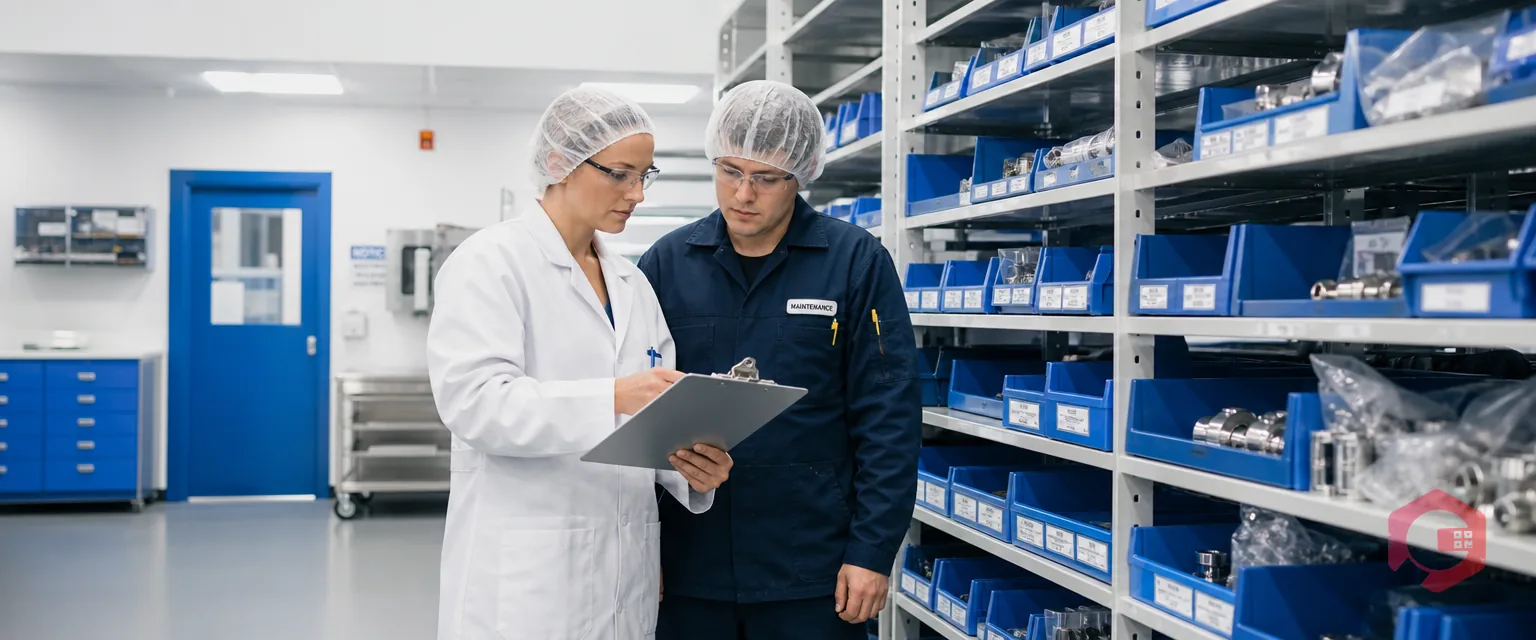
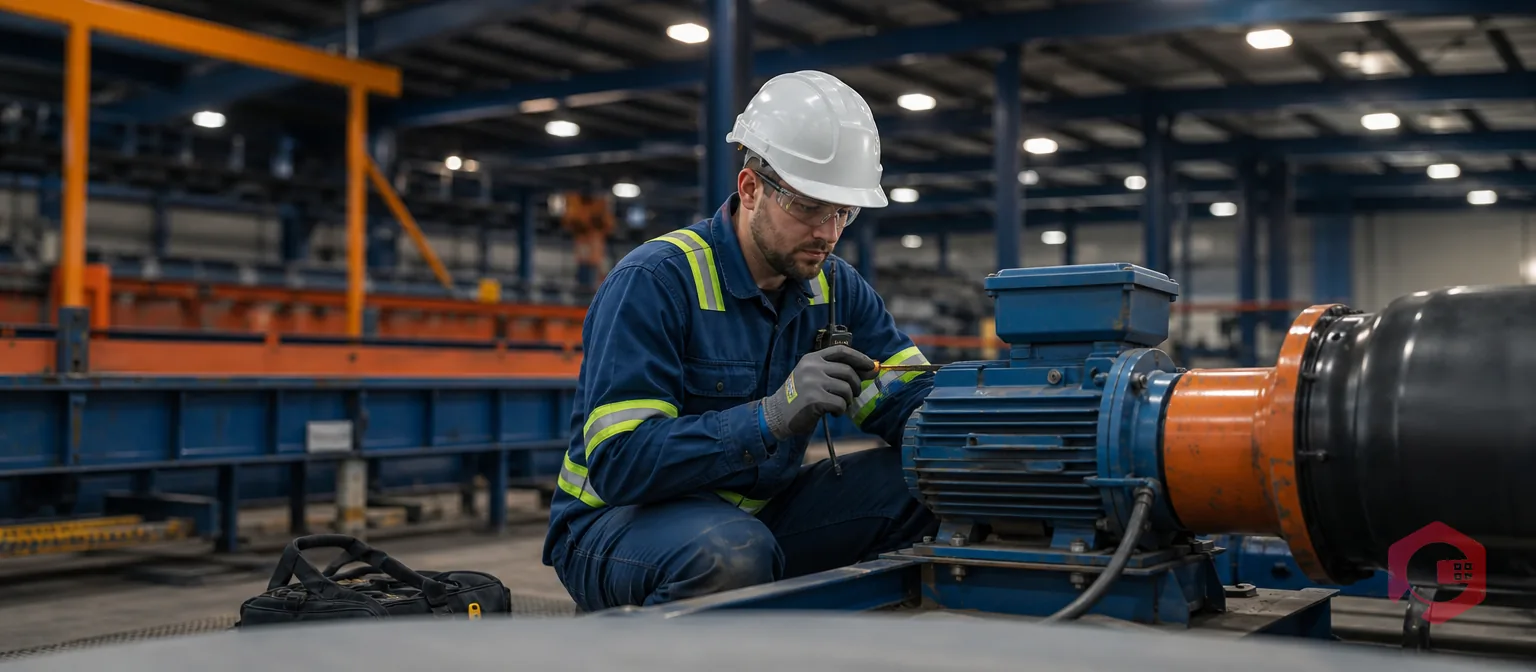
Each year, thousands of job-linked injuries and fatalities all around the country could be prevented due to rigorous safety measures and gradual reduction of hazards. This important safety culture in the United States is centered on the Occupational Safety and Health Administration (OSHA).
It is easy to be confused by the intricacies of such workplace safety mandates and become perplexed when trying to find a way to balance it with the often-hectic facility management and maintenance teams. Since the General Duty Clause up to the equipment standards, it is an enormous administrative burden and operational burden to ensure complete compliance.
In this ultimate guide, we will dissect down to as much detail as we can in what OSHA is, who it applies to, and what the fundamental roles of the employers are. We shall also discuss how compliance can be redefined through modern technology such as CMMS software to turn into a smooth flow instead of a regulatory nightmare.
What is OSHA and Who Does It Cover?
The OSHA or the Occupational Safety and Health Administration is a federal agency that functions within the department of labor in the U.S., and it was established in the Occupational Safety and Health Act of 1970. The core business is to provide safe and healthy working environments to all workers by establishing and implementing strict safety standards, as well as delivering necessary training, outreach, and support.
Who is Covered by OSHA?
The OSH Act applies to most of the private sector of employers and employees, as well as to some employers of the public sector. There are three major types of coverage:
- Private Sector Workers: Controlled either directly by Federal OSHA (in 29 states and other jurisdictions), or by OSHA-approved State Plans (in 21 states and Puerto Rico), which must be no less effective than federal standards.
- State and Local Government Workers: These workers are not under the Federal OSHA, but they are safeguarded in case they are employed by a State that has an approved State Plan by OSHA.
- Federal Government Workers: The OSHA protections should be adhered to by all the federal agencies. OSHA does not usually impose financial fines on other federal agencies, even though the U.S. Postal Service is a private employer and can be fined.
Who is NOT Covered?
The OSH Act explicitly makes exemptions of the self-employed, immediate family members of an employer at a farm and workers whose risks are covered under other federal agencies (like the Mine Safety and Health Administration or the Coast Guard or any other agency).
Core Employer Responsibilities Under OSHA
Through OSHA provisions, employers have been bound by the law to ensure a safe working environment by accomplishing the following duties.
- Provide a Safe Workplace: It is the duty of the employers to actively remove anything that is known to be a hazardous situation, safe equipment, and adherence to all the narrowly specific OSHA standards.
- Train and Protect Workers: The facilities should disseminate hazard information in a clear way, and the required Personal Protection Equipment (PPE) should be provided to the employee at no cost.
- Maintain Accurate Records: Businesses are required to report as soon as possible any serious injuries or deaths and thoroughly document all incidents that happen at the workplace with official OSHA forms.
- Protect Worker Rights: The employers should ensure that the safety posters are displayed prominently, access to medical records, and that there is zero tolerance of any type of retaliation against the safety of whistleblowers.
Key OSHA Regulations Every Maintenance Team Should Know
Some of the OSHA standards are almost daily experience for maintenance and facility teams. These are not negotiable to have a safe facility:
- Lockout/Tagout (LOTO) (Standard 1910.147): This is very essential when servicing equipment. LOTO steps make sure that the dangerous power sources remain isolated and switched off before commencing operations so that it does not start to cause unexpected and potentially fatal equipment to start up.
- Hazard Communication (Standard 1910.1200): Maintenance teams deal with numerous types of lubricants, solvents, and cleaning agents. HazCom needs to be labeled properly with the chemical and Safety Data Sheet (SDS) being as accessible as possible to any individual working with such material.
- Machine Guarding (Standard 1910.212): These standards require the use of protective shields on machinery to protect the operators and maintenance personnel against moving parts, sparks, and flying objects.
- Personal Protective Equipment (PPE) (Standard 1910.132): It is required that the employer evaluates the hazards of the workplace and requires workers to apply appropriate safety equipment, such as steel-toe shoes and hard hats, or more specialized arc-flame protective suits in case of electrical work.
How CMMS Software Takes the Headache Out of OSHA Compliance
A lot of OSHA citations are the results of administrative lapses as opposed to carelessness. A Computerized Maintenance Management System (CMMS) removes the nightmare of the manual follow up by automating and digitizing your safety management.
Here is how a CMMS solves your biggest compliance hurdles:
- Centralized Documentation: Goes paperless in managing your recordkeeping by enabling instant access to inspection certificates, PM logs, and Safety Data Sheets (SDS) in the cloud.
- Automated Inspections: Automatically create preventive maintenance work orders to make sure that OSHA schedules (such as daily forklift or monthly fire extinguisher checks) are strictly followed.
- Standardized Safety Procedures: Consists of providing electronic Lockout/Tagout (LOTO) checklists that are attached to work orders, and the technicians adhere to safety procedures to the dot.
- Instant Audit Readiness: Includes real-time dashboards and simple reporting to ensure that you can easily demonstrate compliance once an inspector walks in.
Why Choose Cryotos CMMS for Safety Management?
While standard maintenance software simply digitizes work orders, Cryotos is purpose-built to embed OSHA compliance directly into your daily operations. By seamlessly integrating risk management into every task, Cryotos transforms workplace safety from a reactive chore into a proactive culture.
Here is how Cryotos specifically elevates your safety management:
- Point-of-Work Safety Controls: The technicians should confirm the presence of the pop-ups about hazards being mandatory and pass the digital PPE checklists to even start work with the order.
- Integrated LOTO & Work Permits: Digital Lockout/Tagout processes and Permit-to-Work (PTW) approvals are smoothly integrated and embedded into asset profiles, to provide high-risk operations with the necessary level of safety.
- Instant Audit Readiness: File cabinets are a thing of the past, and the generation of OSHA-compliant documentation with immutable digital signatures and time-stamped audit trails is made in real-time.
- Proactive Hazard Prevention: Use intelligent IoT connections and automatic preventive planning to detect equipment wear and tear prior to the eventual failure of the system into a disastrous safety error.
Conclusion
OSHA regulations exist for a singular, vital reason: to ensure that every worker returns home safely at the end of their shift. While the administrative burden of compliance-from rigorous recordkeeping to complex LOTO procedures-can be daunting, it doesn't have to slow down your operations.
By understanding your core employer's responsibilities and leveraging smart technology like Cryotos CMMS, you can transform safety from a stressful regulatory requirement into a streamlined, automated part of your daily workflow.
Ready to stop stressing over OSHA audits? Explore how Cryotos CMMS can integrate with your daily operations to automate safety compliance and protect your team.