
Manual tracking is a silent killer to profit in contemporary manufacturing, and the high expenses of equipment failure can be quite noisy. Even a single minute of downtime is a loss of revenue, and disjointed information means that teams are always putting off fires rather than streamlining production.
Major manufacturers are also moving away from the old school philosophy of fixing it when it breaks to a data-driven reliability. This trend in this industry turns around the concept of maintenance as a burdensome activity to a calculated, strategic benefit that prolongs the lives of the assets.
Cryotos accelerates this transformation by providing a complete ecosystem for asset reliability, rather than just a simple digital logbook. Our platform empowers you to move beyond simple repairs and gain total control over your facility's health and performance.
What does the Computerized Maintenance Management System (CMMS) mean in the new era of manufacturing? It is neither a calendar to have repairs scheduled. It is an Asset Health Monitor. And it is the hub of the nervous system of your plant, the heartbeat of all of your conveyors, mixers, and robotic arms on the floor.
This is the aim of the maintenance software manufacturing that maximizes the Overall Equipment Effectiveness (OEE) and the life cycle of the costly equipment. It makes sure that all the funds used on equipment are bringing the maximum form of a payoff within the longest time that can be achieved.
In the absence of this system, the manufacturers are confronted with three silent killers:
Your software must perform heavy lifting to fight these challenges. The following are the non-negotiable features of a modern factory:
Days of lost paper tickets in pockets are gone. The current software automatically allocates tasks according to the competencies and the availability of the technicians to make sure that the appropriate individual is at the appropriate job at the appropriate time.
You should have tools, which will enable you to establish triggers depending on time (e.g., every 30 days) or usage (e.g., every 500 counts of cycles). This is a flexibility whereby you can service machines depending on actual wear and tear.
Imagine that this is a medical history of your machines. Included with a digital record of each repair, every part that has been replaced, and all the costs incurred on each asset, between installing it and disposal, is an aid in making informed, data-driven decisions regarding repair vs. replace.
There is no better way of prolonging downtime than waiting to get a part. Live time monitoring of low-stock spare parts alerts means that you will not have delays in the procurement process, and you will have what you need without having to overstock the warehouse.
There are a lot of dead zones on the factory floor, and work cannot cease. Native mobile applications enable technicians to operate offline, scan QR codes to scan machines immediately, and send pictures of failures on the floor.
One cannot measure what they cannot improve. When applied to visual dashboards to monitor the MTTR (Mean Time to Repair) and the MTBF (Mean Time Between Failures), you can easily spot the trends and recognize your bad actor machine.
Though there are numerous generic tools, Cryotos is designed to work on the complexity of the factory floor.
Digitization of maintenance has to be gradual. This roadmap will help deploy Cryotos CMMS.
Modern manufacturing demands modern tools. The difference between a chaotic plant constantly fighting fires and a profitable one running at peak efficiency often comes down to the software powering the maintenance team.
Ready to stop paying for downtime? Explore how Cryotos can integrate with your production lines to automate your maintenance and protect your critical assets.
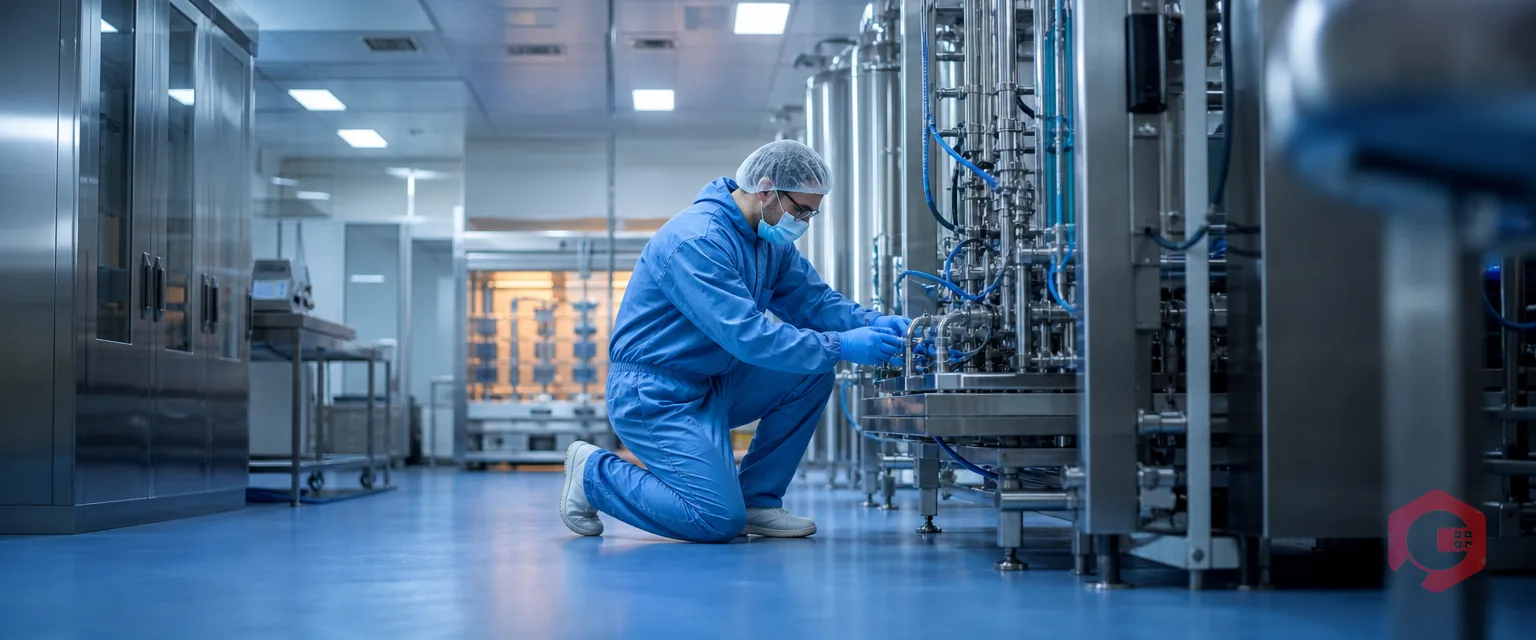



Cryotos AI predicts failures, automates work orders, and simplifies maintenance—before problems slow you down.



