

In the online industry, silence is costly. According to recent estimates, the mean cost of unplanned data center downtime has shot to above nine thousand dollars an hour. In the case of hyperscale facilities and operations that cannot be spared, it is exponentially greater without even considering the devastation of the brand image and client confidence.
In a world that is navigating through 2026, data center infrastructure has never been highly pressured. We are operating more dense server racks being pushed by AI workloads, elaborate edge computing points, and stringent sustainability requirements. With the kind of stakes involved here, you have to depend on your power, cooling, and backup systems to be reliable since one second of downtime can spell the difference between smooth sailing and a publicity-seeking failure.
The use of legacy spreadsheets or reactive break-fix models is not a viable strategy anymore, this is a liability.
In this article, we will explore why upgrading to a modern CMMS is the critical strategic move for data centers this year. We will cover how these platforms automate compliance, utilize IoT for predictive intervention, and ultimately protect your bottom line.
Gone are the days when people had to manage a data center by use of a clipboard and a spreadsheet. At the beginning of 2026, the environment of operations changed dramatically. What we are seeing is the explosive growth of hyperscale facility and an expansive network of edge computing locations, which is meant to bring computing power to the user.
This growth in size has brought about an amount of complexity that is becoming inorganizational to control.
It is not just about the number of servers anymore. The supporting infrastructure required to keep high-density AI and cloud workloads running is massive. A single facility now houses thousands of interdependent assets:
All these individual components have a different lifecycle, warranty and maintenance schedule, and to maintain a record of the lifecycle, warranty and maintenance schedule of each of these separate parts, fragmented tools will be a nightmare waiting to occur.
Regardless of technological change, the human factor is still one of the major causes of unplanned downtime. The manual processes in a complex environment are likely to cause silent failures. A failed check of a reserve generation, or even a neglected change of filters on a cooling system, may cause a series of failures once the system has gone live.
Regulatory complexity is also operational complexity. In order to fulfill stringent Service Level Agreements (SLAs) and standards such as SOC 2, ISO 27001 and Uptime Institute Tier Standards, data centers are continuously audited.
The auditors of 2026 do not require a check in the box. They need their digital evidence that is tamper-proof that maintenance has been administered on schedule and to specifications Scrambling to compile this information into emails and paper trails is not only a stress factor, it endangers your certification and your business.
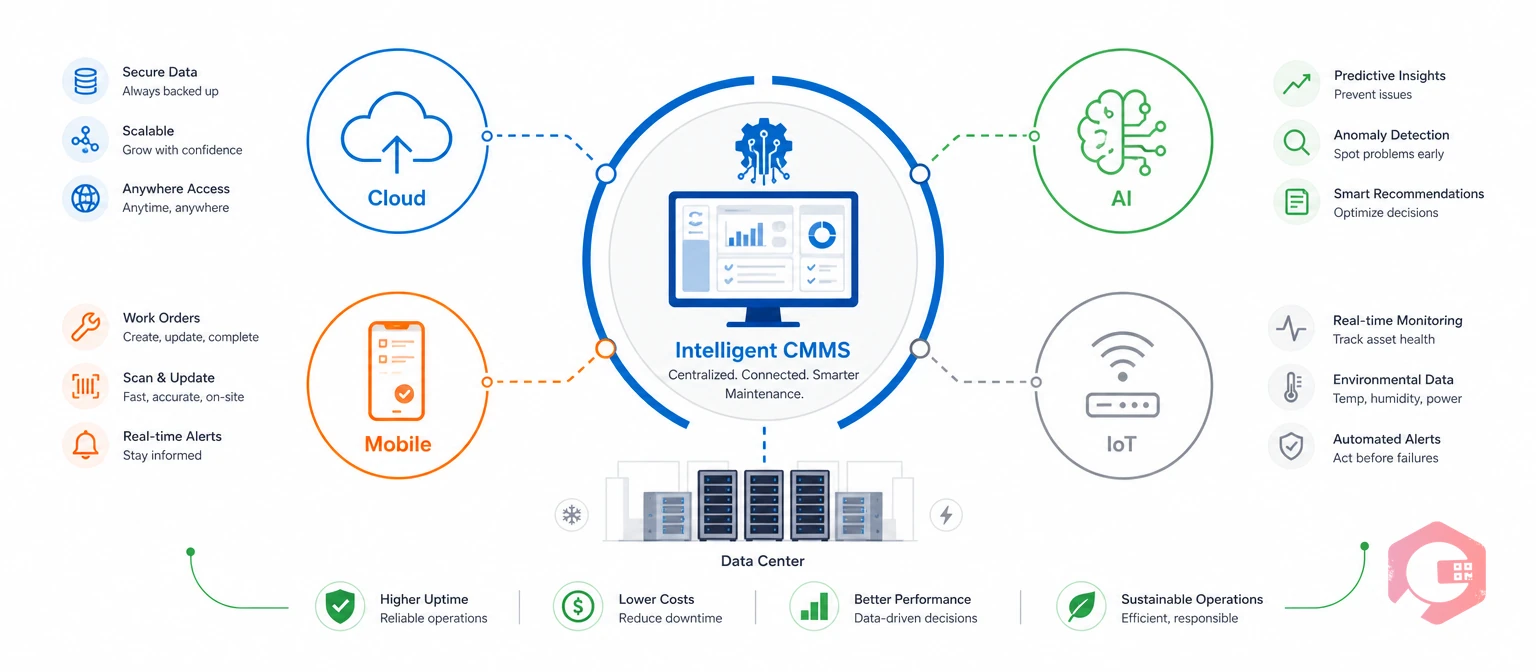
CMMS is, in its simplest form, an acronym which means Computerized Maintenance Management System. However, when it comes to 2026, the definition can hardly be called more than superficial.
In case you consider a CMMS to be a digital calendar, where you can schedule the maintenance, or a filing cabinet, where you can store the work orders, you need to revise the definition. Legacy systems were passive data stores, i.e. you put data in and it remains in there. A current CMMS is a dynamic, intelligent ecosystem which is an engine of operations.
The distinction between the old softwares and the solutions of today is in terms of connectivity and smartness.
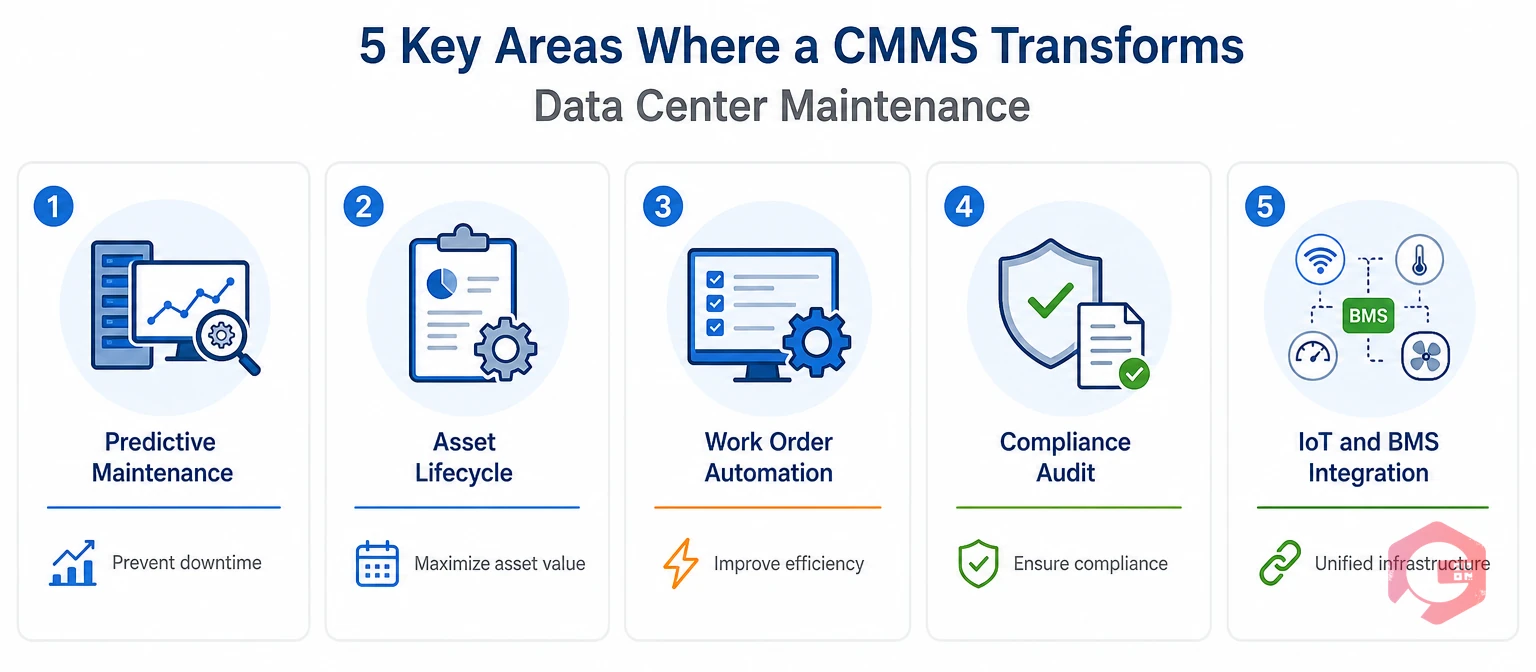
The introduction of a new CMMS is not only the process of digitalization of paper forms, it is the transformation of the logic of operations of the facility. Narrowing down information and streamlining processes transforms maintenance into a sequence of single activities to a coordinated action plan.
These are the five key areas that this technology transforms operations.
A mission-critical environment cannot afford a failure. A current CMMS provides the driving force of both Predictive and Preventive Maintenance (PdM, PM) strategies.
Data centers are expensive facilities. A "Single Source of Truth" is necessary to manage thousands of assets such as the switchgear in the power room to the biometric scanners at the front door.
Shutterstock
A CMMS generates an electronic record of each asset, their origin at installation to decommissioning (cradle to grave).
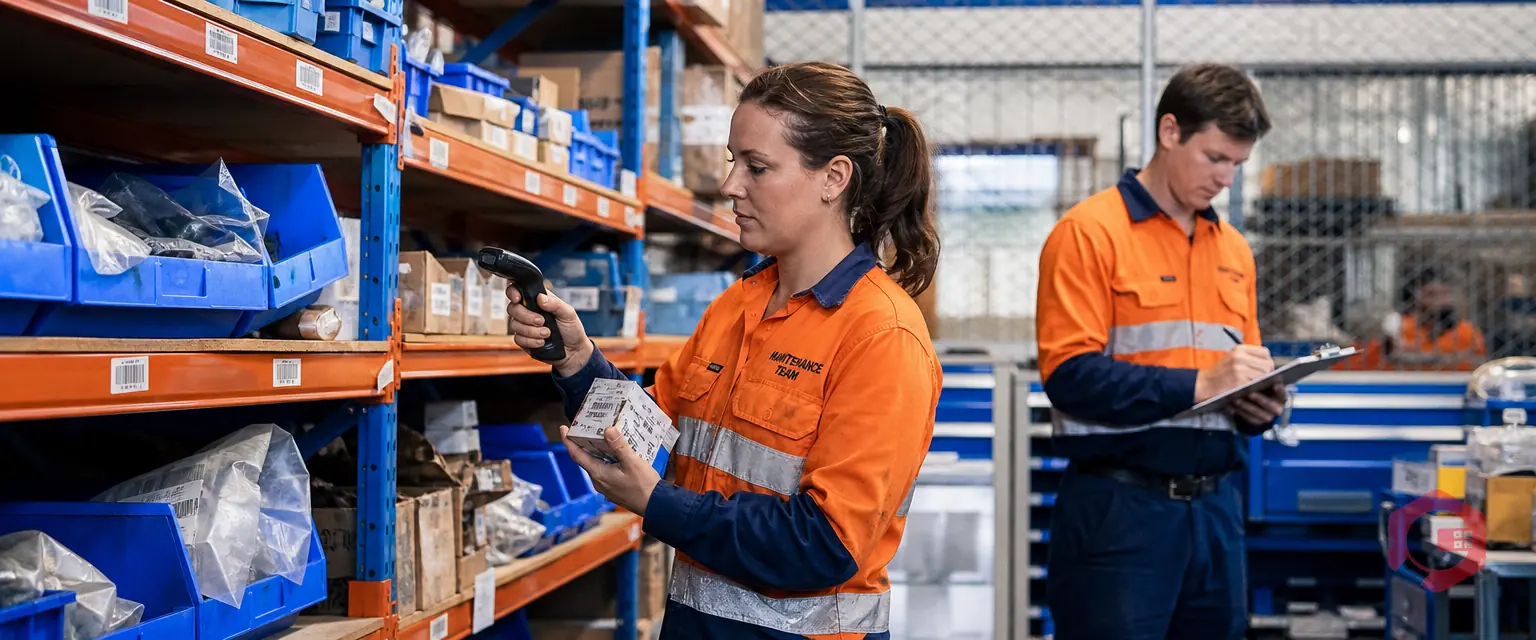
Time is the best asset of a data center when it comes to the technical team. The old processes tend to confuse the talented engineers in the administration of the processes- filling the paper forms, typing information into the spreadsheets or even searching through the manuals.
The CMMS solutions of the present age get the workforce into action. With mobile applications, assignment is given to technicians using their devices and includes:
In the case of data centers, it is required to comply with standards, which include ANSI/TIA-942, ISO 27001, SOC 2, and Uptime Institute Tier Standards. The auditors need to be provided with strict evidence that maintenance procedures are underway.
This is an auditory trail done by a CMMS.
The current data center is an ecosystem. A CMMS serves as a central node that combines data on the disparate systems such as Building Management Systems (BMS) and IoT sensors.
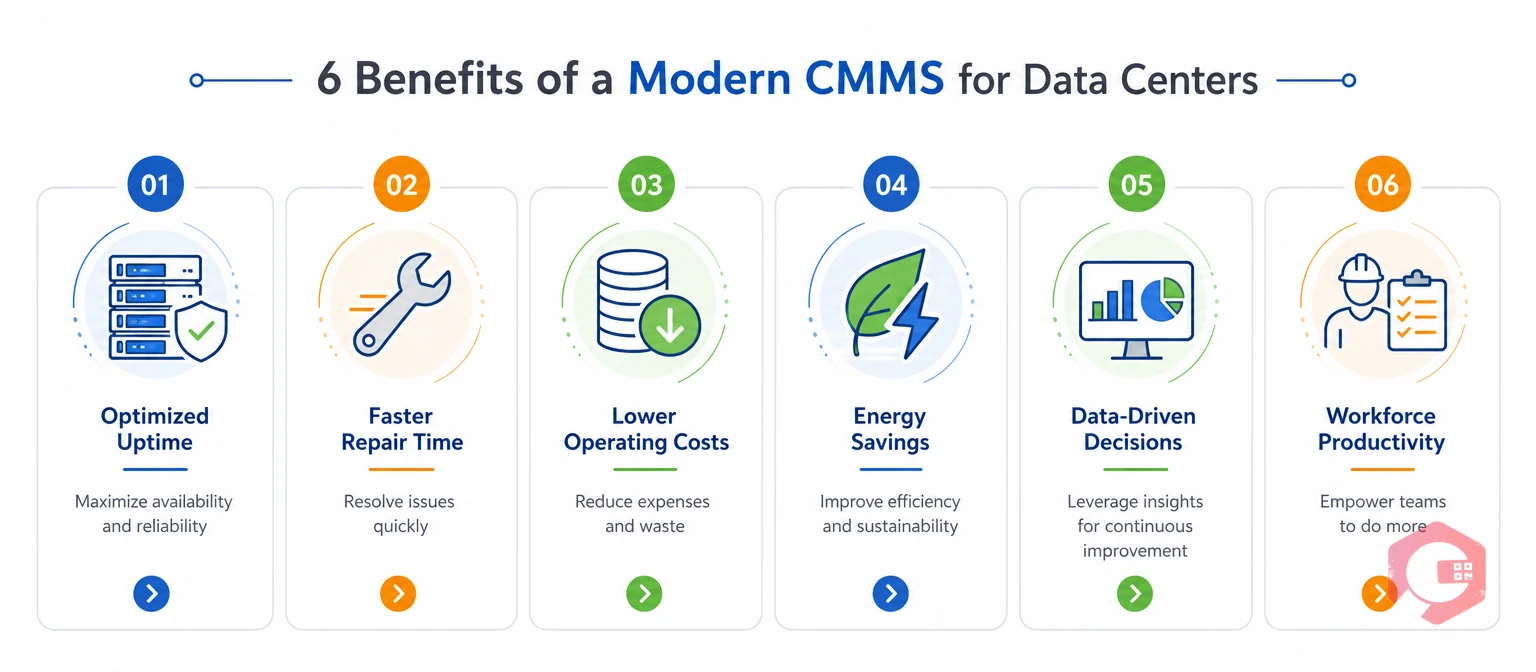
Implementation of modern CMMS is not only an IT upgrade, but a strategic investment that has quantifiable returns. By 2026, the difference between the facilities which take advantage of smart maintenance and the ones which do not will be determined by the possibility to ensure uptime and draw the expenses.
This is the way that a solution has direct positive effects on your operation:
As we look toward the future of data center operations in 2026, one reality is clear: the margin for error has effectively vanished. The rapid expansion of AI-driven workloads and the sprawling complexity of edge infrastructure mean that "business as usual" maintenance strategies are no longer sufficient to guarantee reliability. Maintaining uptime and ensuring compliance in this environment requires more than just skilled technicians-it requires the digital backbone of a modern CMMS.
Software upgrades are not what are referred to as tools; these are the gateway to Industry 4.0. Facilities can now stop living in the panicked mode of reactive firefighting, by enabling teams with some degree of foresight, mobile capabilities, and automated compliance processes. Instead, they can build a culture where reliability, safety, and efficiency are baked into every operation.
The data center of tomorrow is smart, connected, and proactive. If you are ready to future-proof your facility and let data drive your maintenance strategy, the time to modernize is now.

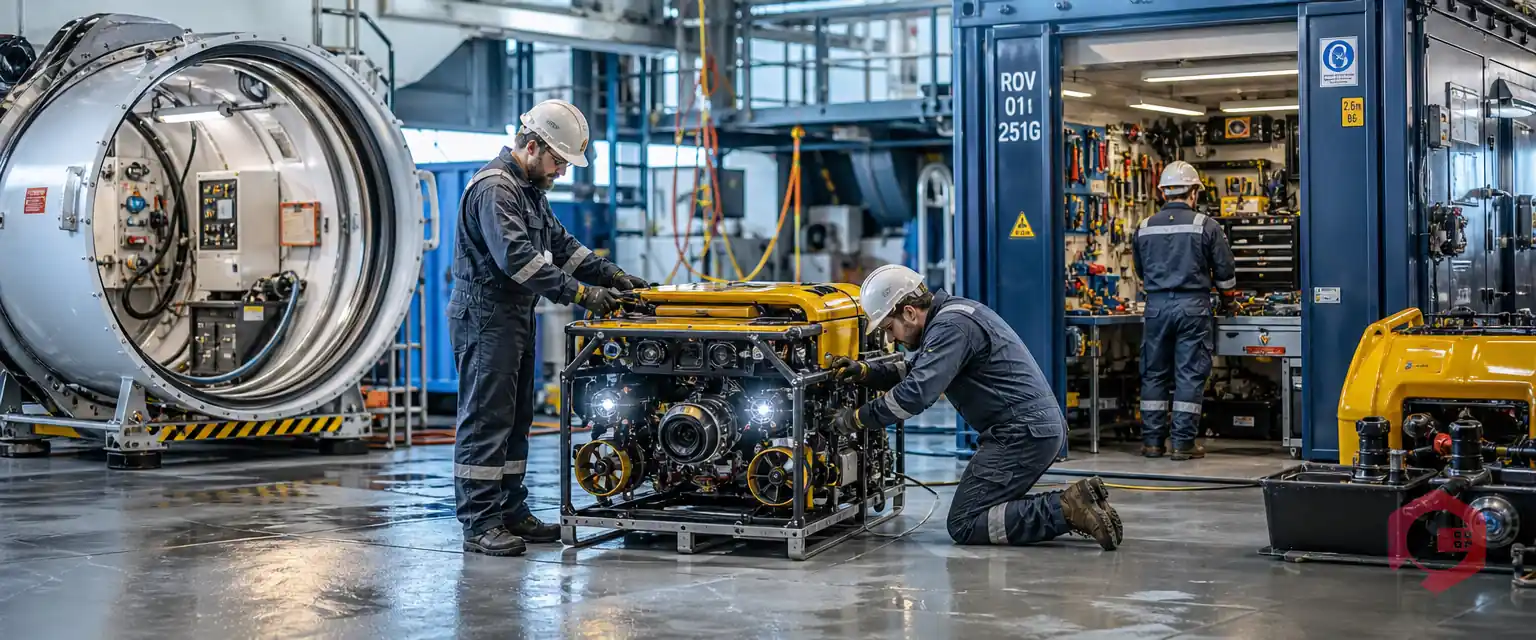

Cryotos AI predicts failures, automates work orders, and simplifies maintenance—before problems slow you down.



