Predictability is a crucial requisite in determining success in the modern industrial environment, and it is to be paired with luck at times. The impact of a crucial piece of equipment being out of order is immediately severe. Production stops. Deadlines get missed. Safety becomes endangered. These are the issues that indicate Equipment Reliability. It is much more than just a maintenance performance measure. It is a critical business strategy that directly impacts safety and profitability.
The mandate for plant heads and maintenance managers is clear. Shift focus from urgent repairs toward failure prevention before it happens. This demand for efficiency comes from smart technology along with data analytics wrapped around the culture of operational excellence. The guide presents actionable strategies to enhance reliability and optimize your repair processes towards becoming more resilient for an operation.
What is Equipment Reliability?
Equipment reliability is the duration, in specified conditions, in which a piece or system of equipment is probable to perform intended functions without a failure. It also tells how much consistency and trust can be placed in the machinery.
A very important thing to start with is the fact that reliability is not to be confused with availability. A machine can very well be ready to run, turned on, and still be very much considered as an unreliable machine when it suffers from frequent settling rates losses, minor temporary stoppages, or quality defects. Maintenance professionals utilize RAM framework to better appreciate such a difference.
- Reliability: The probability that an item of equipment will work correctly for a specified time interval.
- Availability: The percentage of time an item of equipment is on and available for use when scheduled.
- Maintainability: The ease and speed with which the equipment can be returned to operative status after failure.
Why ER Matters
The impact of reliability extends far beyond the maintenance workshop.
- Financial Health: Unplanned downtime costs an estimated $50 billion every year in the whole manufacturing field of industries. High reliability results directly improved the bottom line.
- Safety: Technicians are most often put under pressure because of emergency repairs and forced to bypass.
- Asset Longevity: Good maintenance ensures an asset will remain in service and, in turn, increases asset life for expensive capital replacement costs for an asset that is operated until it fails.
What you cannot measure cannot be managed; so also, for measuring reliability, proper KPIs are required that will give the health-check of your facility.
Mean Time Between Failures (MTBF)
It talks about the average operating time between the two inherent failures of a repairable asset. A higher MTBF value indicates a more reliable system.
- MTBF = Total Number of operational hours in a period / Number of failures that occurred in that period
Mean Time to Repair (MTTR)
This shows maintainability, meaning that it shows the average time to troubleshoot and repair a failed asset.
- MTTR = total maintenance time / total number of maintenance actions
Overall Equipment Effectiveness (OEE)
OEE is the gold standard in manufacturing productivity, bringing Availability, Performance, and Quality altogether under a single percentage.
- OEE = Availability = Actual Run Time / Planned Run Time
Other Vital Tools:
- Failure Rate: Failures of the component occurring at a certain time (inverse of MTBF).
- Availability %: Comparison of actual operation for a given time against scheduled downtime.
- Weibull Analysis: A statistical procedure for assessing where an asset is relative to the life cycle (infant mortality, random failures, or wear-out).
Strategies to Improve Equipment Reliability
Improving reliability is most often not in one step. It takes a complete proven methodology with updated analysis and rigorous operational discipline.
1. Maintenance Methodologies
The approach taken by the organization to maintenance will set apart the outcome. The first step should be to move away from the reactive mindset.
- Preventive Maintenance (PM): Scheduled tasks where time or use intervals prevent age-related failures, ensuring both regular bearing filter change and belt adjustment before problems arise.
- Predictive Maintenance (PdM) and Condition-Based Maintenance (CBM): Real-time condition monitoring of the asset health through the assessment of different variables such as vibration, temperature, and acoustics, with maintenance being carried out only when the equipment shows symptoms of performance deterioration.
- Reliability-Centered Maintenance (RCM): This strategy aligns maintenance with asset criticality such that it interprets each asset's function and chooses the maintenance policy most appropriate for it. This may mean running a lightbulb to failure but using advanced monitoring for a turbine.
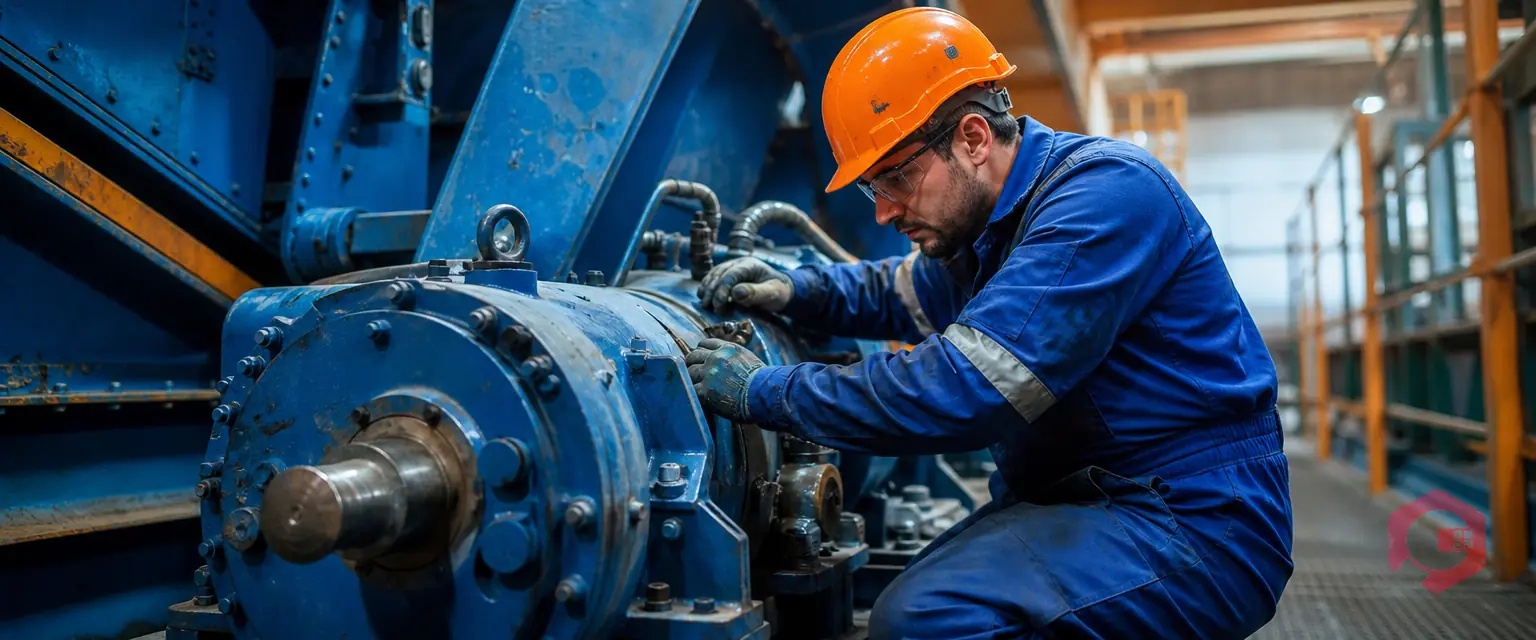
- Total Productive Maintenance (TPM): TPM creates blurred lines between operations and maintenance. It trains machine operators in basic tasks like cleaning and lubrication. This creates a sense of ownership and allows skilled technicians to focus on complex repairs.
- Root Cause Analysis (RCA) and Standard Operating Procedures (SOPs): When things go wrong, one does not just fix the symptom. RCA once again applies instruments such as the "5 Whys" to find out why something happened in the first place. After the cause is identified, there is a requirement for ensuring that Sops are updated to close the loophole.
2. Proactive Processes and Analysis
Analysis Nothing makes more financial sense in reliability than having to wait until something breaks. Early failure detection is proactive reliability.
- Early Detection: Reducing repair costs significantly means fixing failure causes before they lead to a breakdown.
- Data Utilization: Use historical data to discover the "bad actor" assets usually fail or their trends.
- Condition Monitoring: Oil Analysis and Thermography such as techniques give a feel from inside the machine with production in place.
- Risk-Based Approaches: Resources focused depending on the risk profile of the equipment. All equipment poses safety risks or creates production bottlenecks to supply maximum attention.
3. Operational Practices and Discipline
Without the most fundamental of operational disciplines, even the most sophisticated of strategies will certainly collapse..
- Cleanliness and Lubrication: Most mechanical failures are a result of contamination or poor lubrication. Cleanliness and correct use of the proper quantity of the right lubricant are basics.
- Precision and Quality Parts: Maintenance is as good as the parts that require it. High-quality spare parts coupled with appropriate assembly of spare parts translate to fewer premature failures.
- Inventory Management: Repairs are only as good as having parts on hand. Inventory management assures that critical spares are available when needed, thus reducing Mean Time to Repair (MTTR).
- Employee Training and Culture: Reliability is a culture. Continuous training keeps technicians up to speed on the latest technologies. Fostering a culture of ownership ensures that everyone is on the lookout for potential problems.
Key Factors Influencing ER
Rather nothing can fix an obviously faulty system, no matter how rigorous the maintenance schedule. Reliability, therefore, is a combination of physical design, human competence, and technological integration.
Design and Materials
Reliability begins with the design. If an asset is not designed for the environment in which it is to operate, failure is certain and expected.
- Robustness and Material Choice: It is crucial to select the proper materials for the application at hand. Components that resist corrosion, heat, or wear greatly increase the operational life of the asset.
- Maintainability by Design: Equipment design shall be considered for the technician. Easy access to critical components creates an environment conducive to efficient inspection and safe repair.
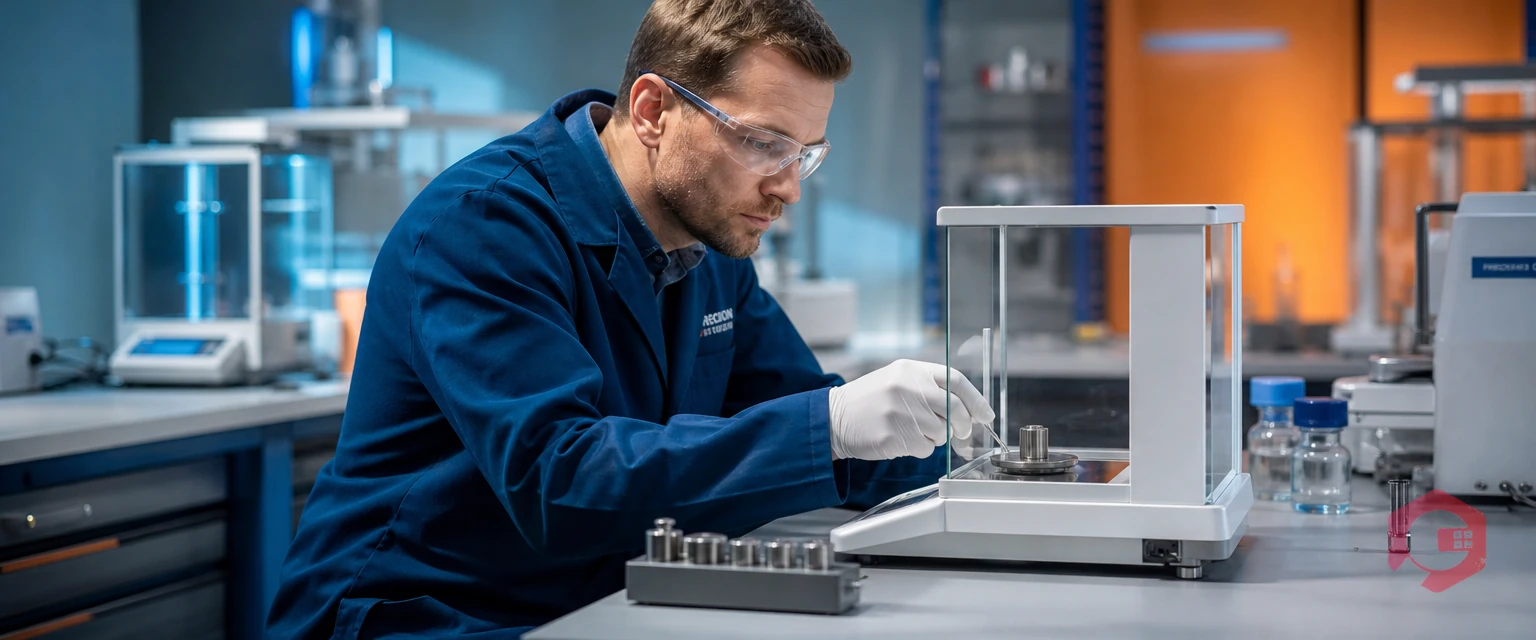
- Precision Assembly: The installation of a machine may be as important as its construction. Careful alignment and balancing during installation can prevent vibration issues leading to premature failures.
- Environmental Considerations: External conditions, such as humidity, dust, decrease in temperature, etc., have to be considered during the selection process to allow for predictable performance.
Personnel and Training
Technology and machine function through human intervention. Thus: competence of your workforce directly drives reliability.
- Skilled Workforce: Modern machinery is very complicated and is operated using users and technicians, who are well versed with the technical aspects of the machinery they handle.
- Continuous Training: The world of industries keeps changing quickly. This demands that there are training programs often for keeping the team up to date on the current technologies and best practices.
- Minimizing Rotation: High turnover or even frequent rotation of staff in critical sectors is loss of tribal knowledge. Consistent teams foster a deeper understanding of specific asset behaviors.
- Culture of Accountability: Where operators feel ownership for their machines, they are likely to report minor anomalies before these become major breakdowns.
Data and Technology
Reliability is based on data more so than ever in these days of Industry 4.0. The appropriate tool brings a maintenance activity from guesswork to an exact science.
- CMMS and EAM Systems: These assets become the maintenance databases for all maintenance data. Any asset history is tracked, schedules are automated, and spare parts are handled in such a way that the maintenance crew is always ready.
- IoT and AI: Internet of Things sensors generate real-time data regarding the asset's health. This data is analyzed by Artificial Intelligence to predict failure and thereby intervene at the right moment.
- Digital Twins: With the creation of a virtual image of a physically existing asset, engineers will be able to simulate scenarios and stress tests without any real risk to equipment
The Role of CMMS/EAM Software
Failure in modern facilities results from managing complex reliability strategies in spreadsheets or paper. The computerized maintenance management system (CMMS) and enterprise asset management (EAM) software are the digital spines anchoring the overall reliability strategy, bringing all the scattered data into a clean workflow.
- Automation of Maintenance Schedules: A CMMS automates the tracking of preventive maintenance tasks to neutralize human errors in scheduling to furnish timely connections in critical inspection cycles. Thus, small misses that subsequently pile to disastrous breakdowns are avoided.
- Optimized Inventory Management: Waiting for prints is one of the famous long hours downside. CMMS controls stocks of essential spare parts and links them to specific assets. This alerts the team when stock runs low. Thus, boards are available at the correct time, just when required for service.
- Asset Performance Tracking: Reliability is required as evidence. The software henceforth tracks every performance history of each asset found in your facility. Such historical background provision fosters a fact-based list and helps managers choose a course of action towards fixing, refurbishing, or replacing aging equipment.
- Centralized Documentation: Information searching pulls down efficiency. A storage of pertinent documents such as standard operating procedures, safety manuals, warranty information would be part of a CMMS. This provides much better access for the team to the correct information when carrying out a repair.
- Advanced Data Collection and Analysis: Modern reliability is predictive by nature, and software supports advanced collection of data from IoT devices and sensors. It sets the groundwork for predictive maintenance strategies and remote monitoring that help teams to identify anomalies before causing a disruption to production.
- Compliance and Workforce Management: Active safety is a synonym for reliability. The system makes workforce management possible by recording employee training and compliance automation. It involves safety in operations and procurement for reliable assets.
Cryotos CMMS: Enhancing Equipment Reliability and Repair Efficiency
A strategy or methodology is only as good as its implementation. Cryotos CMMS takes the organization from pure theory to a real-world practice and provides a complete solution for automating every preventive maintenance task, expediting repair processes, and enabling data-driven decision-making.
Automating Preventive and Predictive Maintenance
Cryotos moves maintenance teams away from relying on memory or spreadsheets. The system provides an effortless scheduling interface that supports both static and dynamic maintenance..
- Dynamic Scheduling: Maintenance is triggered by actual operational use, such as hours of operation or mileage instead of on calendar dates. Assets are then serviced when they most obviously need it.
- Proactive Detection: The software automates alerting tasks for what's ahead, catching most minor issues before they eventually become big failures. Proactive measures offer the bases for enhancing asset reliability.
Streamlining Repair Processes
When breakdown occurs, speed and precision are essential. Modern technologies are adopted within Cryotos to reduce the Mean Time to Repair (MTTR).
- Generative AI Integration: Technicians can create work orders instantly using voice commands or by analyzing photos of faults. An administrative bottleneck is avoided, thus more speedily repoTo prevent recurring failures, work orders include a "5 Whys" approach. This ensures that the team addresses the root cause rather than just treating the symptom.
- Mobile Accessibility: Conveniently stands distinguished from other known mobile supply apps. The Cryotos mobile app provides intuitive access to manuals, checklists, and safety histories while standing directly in front of a machine. Nothing to fret: TN on work orders can be completed offline.
Data-Driven Decision Making and IoT
For an asset to be reliable, there must be real data. Raw material turned into a clear path of action is provided by the BI Dashboard of its own.
- IoT Integration: The system integrates entirely with IoT sensors, PLCs, and SCADA systems. It gives real-time meter reading and auto-alert when theft has crossed thresholds, culminating in true condition-based maintenance.
- Downtime Tracking: Granular breakdown hours and frequency can be tracked specifically via a downtime module. Automated calculations of KPIs such as MTBF and OEE will point managers to trends and guide resource allocation to the most important assets.
Optimizing Inventory and Spare Parts
A repair cannot be completed without the right parts. Cryotos ensures that inventory issues are never delayed in maintenance.
- Real-Time Visibility: This system tracks stock across the depth of warehouse structures: aisles and bins.
- Critical Stock Alerts: Automated messages to the administrative team notify employees about the minimum stock levels of parts. This prevents stockouts while assuring that critical spares are available to support critical repairs to operations.
Centralizing all these functions could mean, according to Cryotos, a reduction of up to 30% in downtime and repair times by 25%, thus giving a very good statement on operational excellence.
Conclusion
Since maintaining high reliability of equipment cannot be treated as an isolated project-it is a long-standing journey that requires synergy between skilled people, disciplined processes, and intelligent technology.
Any organization that still counts on traditional and reactive repair practices may be deemed extinct in this modern-day competitive battleground. A change of mindset must take place for such organizations. Data should be prioritized over intuition, prevention should take root over repair. Through a fruitful combination of sound maintenance philosophies and powerful platforms such as Cryotos CMMS, plant managers can enhance the way they handle operations.
Some call it a change; we call it a paradigm shift where maintenance is rarely seen anymore as a cost center but as a bench strength and competitive advantage. The shift brings a safer environment, higher profitability, and reliable operation every time.