Maintenance Readiness Checklist: How to Bundle Spare Parts and Tools into Every PM

Calendar
Duration:
4 min
calendar today
Published on
July 20, 2026
Featured Image

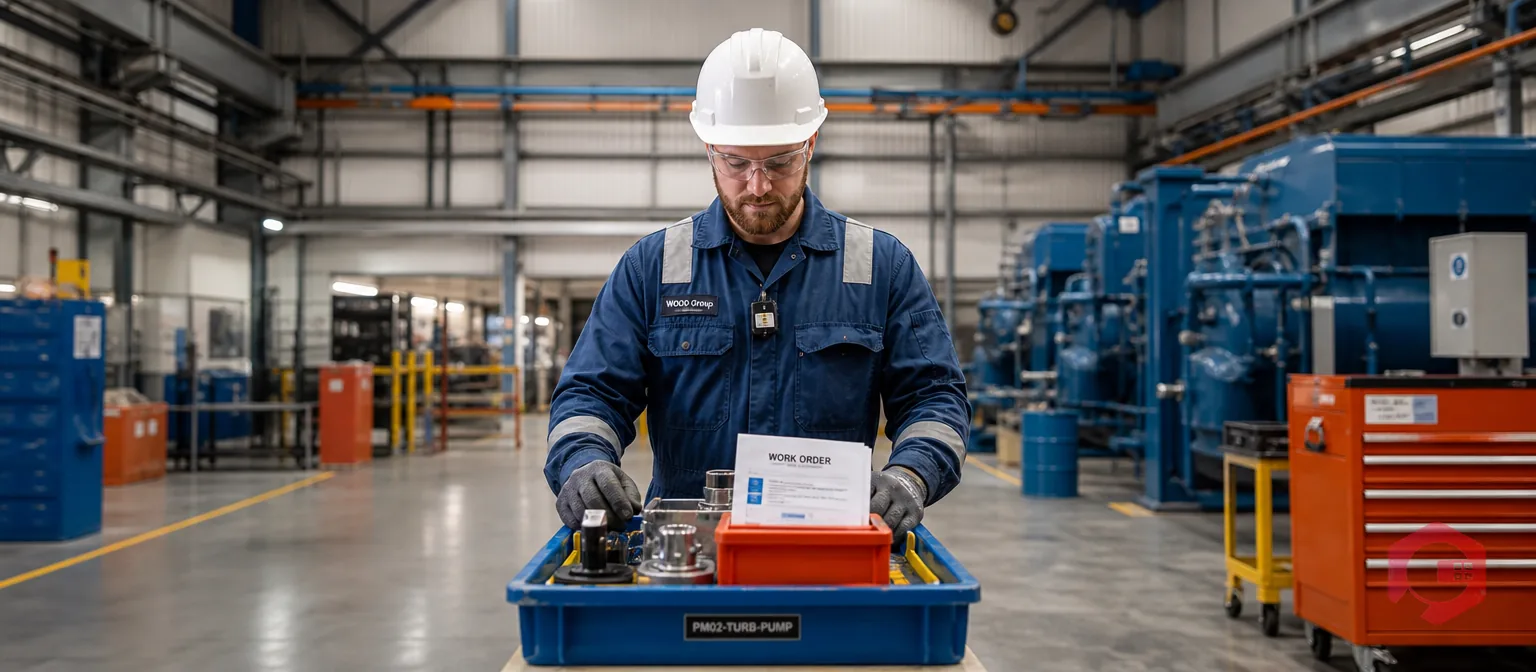
Maintenance readiness means every PM work order arrives at the technician's hands already bundled with its parts, tools, and checklist. Being "ready" isn't a hope — it's a verified state the system checks before the job starts. A ready PM bundle includes confirmed parts in stock, reserved tools, the checklist attached to the specific asset, and any safety documentation the task requires.

Key Takeaways

  • Readiness, defined: every part, tool, and checklist a PM needs is confirmed available before the work order reaches the technician.
  • The real risk: a plant can have excellent scheduling and still miss compliance targets if bundling isn't built in.
  • The fix: a CMMS ties checklists, parts, and tools to one job plan, so readiness is one check instead of three.
  • The most common failure: borrowed tools that never make it back to the crib, not missing parts.

Why Bundling Matters

Scheduling tells when a PM is due while bundling confirms readiness | Cryotos

Readiness is the difference between a PM schedule that looks good on paper and one that actually holds up on the floor. Scheduling tells you when a job is due; bundling tells you whether you can do it that day.

A plant can have excellent scheduling discipline and still miss PM compliance targets if bundling isn't built in, because the two solve different problems. Frameworks like Total Productive Maintenance treat this kind of readiness check as a prerequisite for autonomous and planned maintenance activities, not a separate task bolted on afterward.
The Manual Bundling Problem

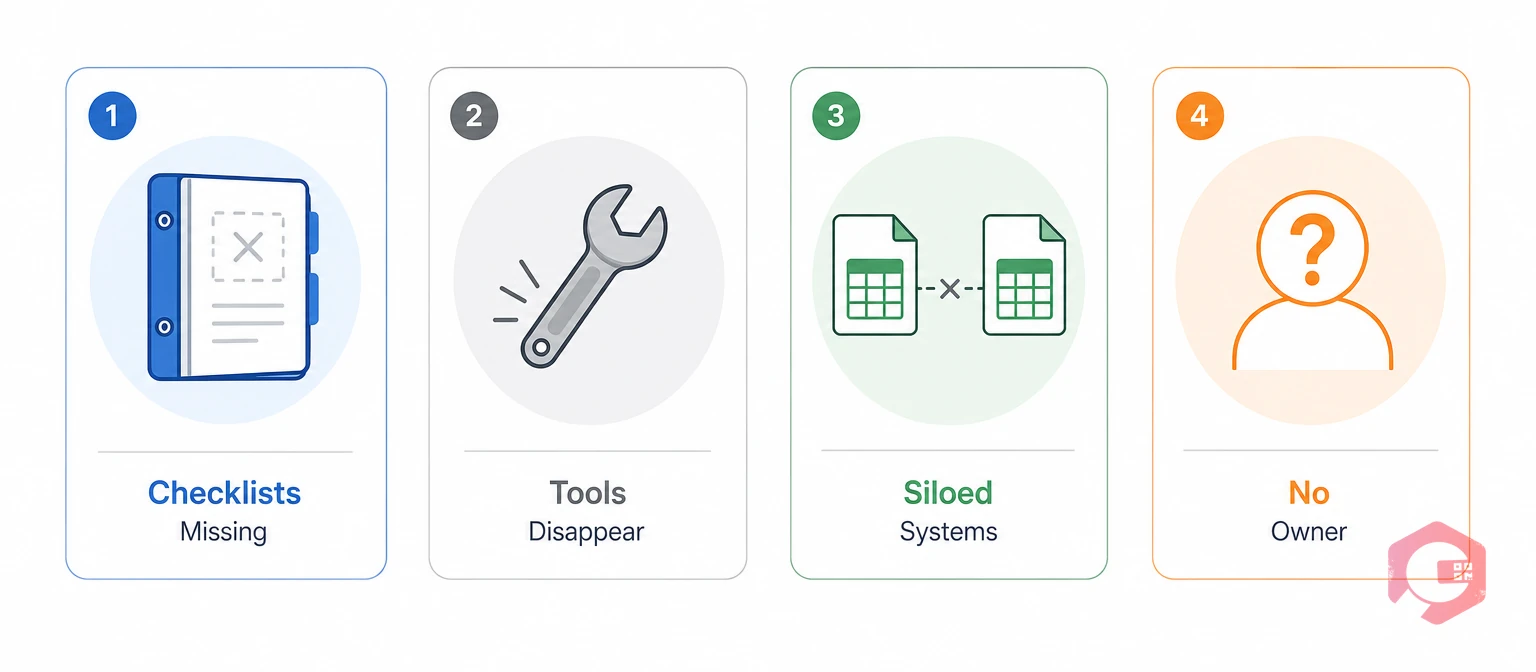
Four common manual bundling failures: missing checklists, lost tools, siloed systems, no owner | Cryotos

Without a system enforcing it, bundling tends to fall apart in familiar ways.
  • Checklists go missing: they live in a binder that doesn't always make it to the job site.
  • Tools disappear: they get borrowed for one job and never returned to the crib.
  • Systems don't talk: parts and tools are tracked in separate spreadsheets.
  • No single owner: nobody confirms "ready" status before the shift starts.

How CMMS Bundles Readiness Automatically

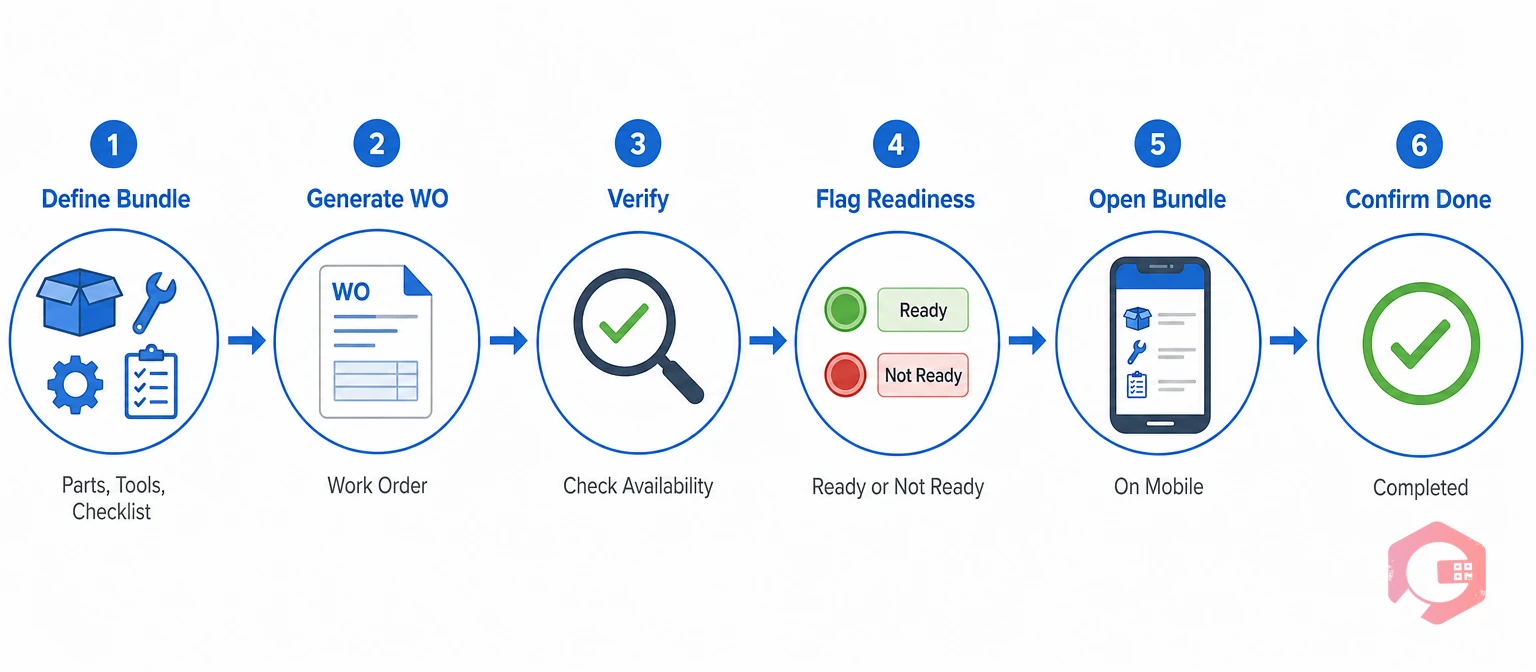
Six-step CMMS workflow that bundles parts, tools, and checklists into every PM work order | Cryotos

A Computerized Maintenance Management System ties maintenance checklists, parts, and tools to one job plan, so readiness gets checked as a single step instead of three separate ones.

The Step-by-Step Workflow

  • Define the bundle: parts, tools, and checklist attach at job plan creation.
  • Generate the work order: the PM schedule triggers it, and the bundle travels with it automatically.
  • Verify each component: stock, tool availability, and checklist attachment all get checked before release.
  • Flag readiness on the dashboard: green means go, red flags what's missing.
  • Open one bundled work order: the technician gets it via mobile CMMS, on-site and offline-capable.
  • Confirm readiness worked: the job closes on first attempt, or logs a reason if it didn't.

Maintenance teams using Cryotos have reported up to 30% reduction in unplanned downtime and 25% faster repair turnaround — gains that trace directly back to technicians starting jobs with everything already in hand.

See how Cryotos tool management tracks lending history so a missing wrench doesn't stall your next PM.

Cryotos Features That Support Readiness Bundling

  • Maintenance Checklists: customizable via Excel or OCR, attached per asset.
  • Tool Management: lending history so tool conflicts surface early.
  • Mobile Maintenance: offline mode keeps the bundle available even without signal.
  • Dashboard Monitoring: readiness status visible plant-wide, not just job-by-job.

Industry Use Cases

  • Facility Management: HVAC and electrical PMs bundle lockout devices with the checklist so safety steps aren't skipped under time pressure.
  • Textile Manufacturing: loom PMs bundle specialty tools shared across shifts, preventing "tools in use elsewhere" delays.
  • Retail Facilities: multi-site PM bundles standardize readiness across locations that don't share a stockroom.

KPI Improvements

Readiness bundling tends to move the needle on first-time PM completion rate, technician idle time between tasks, and how closely planned downtime matches what actually happens on the floor.

Best Practices

  • Treat the bundle as one unit: never manage the checklist, parts list, and tool list as three separate documents.
  • Build readiness into the dashboard: so gaps show up before the shift, not during it.
  • Audit tool return compliance monthly: borrowed tools are the most common silent readiness failure.
  • Standardize bundles across sites: so readiness doesn't depend on local habit.

Frequently Asked Questions

What is maintenance readiness in the context of PMs?

Maintenance readiness is the verified state where every part, tool, and checklist a PM requires is confirmed available before the work order reaches the technician.

How is readiness bundling different from pre-staging?

Pre-staging is the physical act of pulling and positioning parts and tools. Readiness bundling is the broader system check that confirms parts, tools, and documentation are all attached and available — pre-staging is one part of achieving it.

What's the most common cause of readiness failures?

Tool availability, more often than parts stock. Tools get borrowed for other jobs and not tracked back, so they're missing when the next PM needs them.

Can readiness bundling work across multiple sites?

Yes, when the job plan template is standardized centrally and each site's inventory and tool crib data feeds the same system, so readiness checks apply consistently everywhere.

A PM is only as ready as its weakest link — part, tool, or checklist. Schedule a free demo to see how Cryotos bundles all three into one work order automatically.


Want to Try Cryotos CMMS Today?

Get Free Demo

Let AI Take Control of Your Maintenance

Cryotos AI predicts failures, automates work orders, and simplifies maintenance—before problems slow you down.

Try AI-Powered CMMS
🡢