

Construction is one of the most heavily regulated industries in the United States. OSHA enforces more than 400 standards specifically for construction under 29 CFR Part 1926, covering everything from fall protection and scaffold safety to electrical hazards and confined space entry. Yet despite decades of regulatory oversight, the construction industry accounts for nearly 20% of all worker fatalities in the U.S. each year, according to the Bureau of Labor Statistics — and a significant share of those deaths are tied directly to equipment failures, missed inspections, and documentation gaps that a structured maintenance management system could have prevented.
A Computerized Maintenance Management System (CMMS) is not traditionally associated with OSHA compliance. But as OSHA enforcement has intensified — with construction citations averaging over $15,000 per violation in recent years — forward-thinking contractors and site managers are discovering that a well-configured CMMS is one of the most practical tools available for closing the compliance gaps that lead to citations, injuries, and project shutdowns.

Construction sites are dynamic, temporary environments involving constantly changing site conditions, rotating crews, rented equipment with inconsistent maintenance histories, and compressed project timelines.
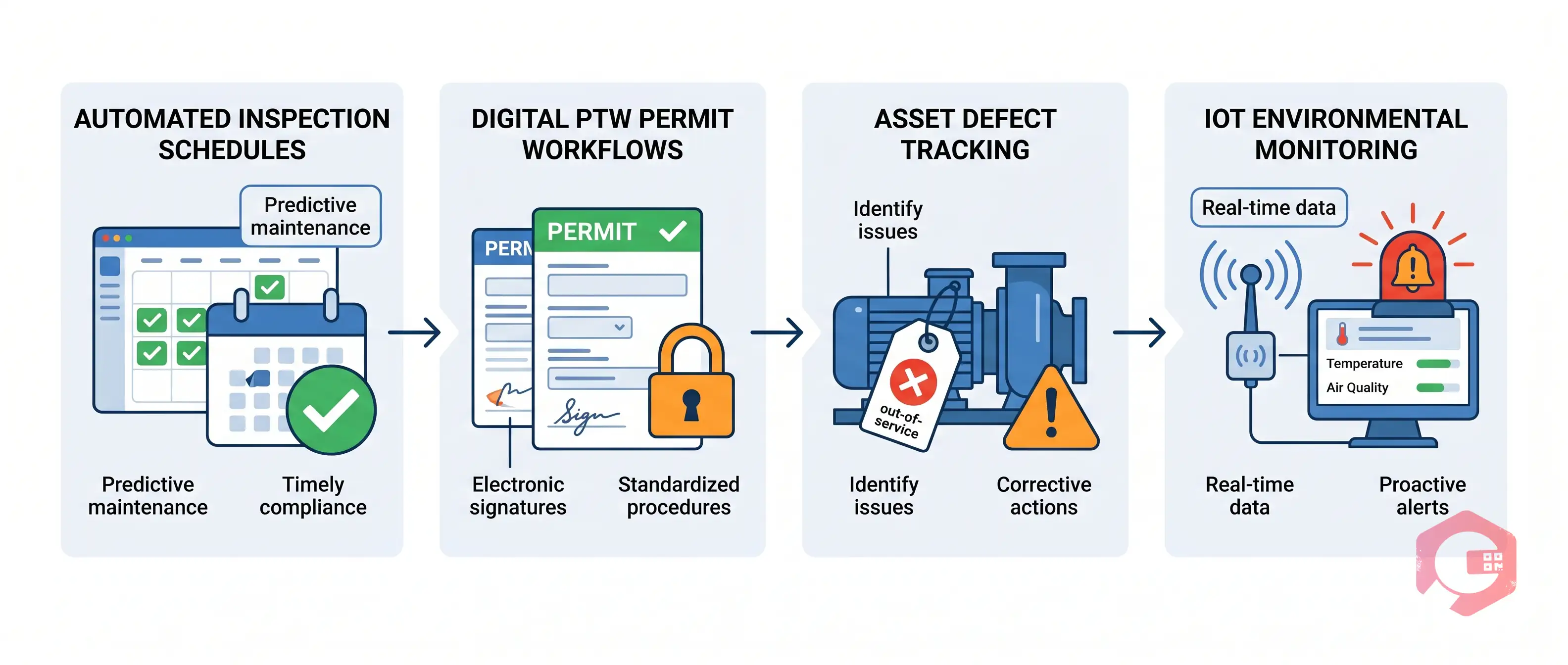
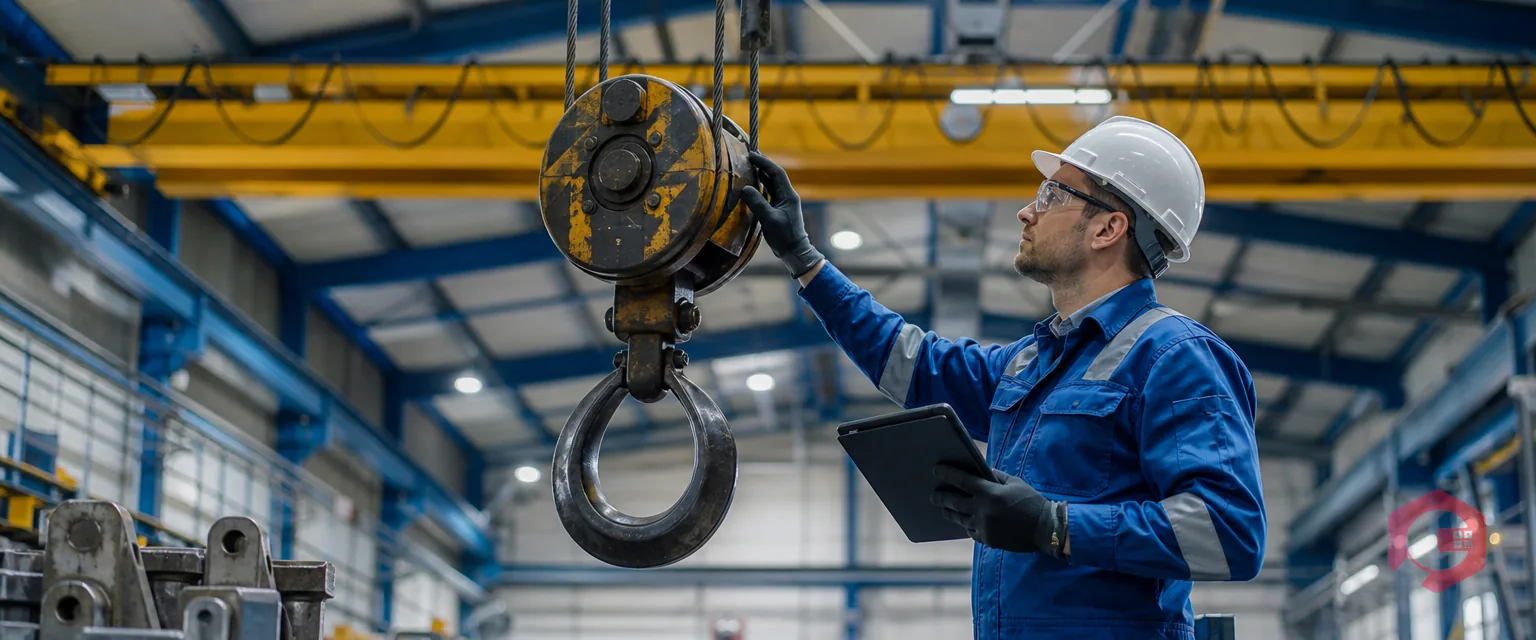
A CMMS configures inspection work orders at the exact frequency OSHA requires — scaffold daily inspections, crane monthly inspections, aerial lift pre-shift checks. If the inspection is not completed within its required window, the CMMS sends an escalation alert to the site supervisor and safety manager, creating a closed-loop system where no required inspection can be silently skipped.
A CMMS with integrated Permit to Work (PTW) functionality enforces safety authorisation at the system level. When a crew needs to enter a manhole, the PTW workflow requires atmospheric testing results to be logged, the confined space supervisor to digitally authorise the entry, and the rescue plan to be confirmed as active before the permit status changes to "issued."
When a crane operator discovers a hydraulic leak during a pre-shift inspection, the CMMS work order captures the defect, flags the asset as "Out of Service," removes it from the available equipment pool visible to site planners, and creates a corrective maintenance task automatically. The asset cannot be returned to active service status until a technician closes the corrective work order with a verified repair record.
When Cryotos connects to environmental sensors, it receives live readings and compares them against configurable OSHA threshold limits. If oxygen levels in a confined space drop below 19.5% — the OSHA action level under 29 CFR 1910.146 — the system automatically generates an alert, suspends active permits in that zone, and notifies the safety officer.
When an OSHA compliance officer arrives on site, a CMMS environment allows generation of a full compliance report for any piece of equipment, any site location, or any time period in the same amount of time it takes to run a search query. OSHA citations are significantly reduced when contractors can demonstrate good faith compliance efforts — and a comprehensive, real-time digital maintenance record is the strongest evidence of good faith available.

Construction companies that implement Cryotos across their active sites report a 30% reduction in equipment-related downtime and significantly faster audit preparation. Ready to see how Cryotos can transform compliance and maintenance management on your construction sites? Schedule a free demo today.
The most frequently cited construction standards related to equipment maintenance are 29 CFR 1926.451 (scaffolding), 1926.602 (material handling equipment), and 1926.1412 (crane inspections).
Yes. OSHA accepts electronic records as long as they are accurate, accessible to employees and inspectors upon request, and maintained for the required retention period.
A CMMS with integrated Permit to Work functionality enforces the authorisation steps required under 1926.1209 before any confined space entry can begin. All conditions must be satisfied before the permit status changes to active.
The financial return comes from three areas: avoided citations (OSHA serious violation penalties average $15,000+ per instance), reduced equipment downtime from proactive maintenance (typically 20–30%), and reduced incident costs.


Cryotos AI predicts failures, automates work orders, and simplifies maintenance—before problems slow you down.



