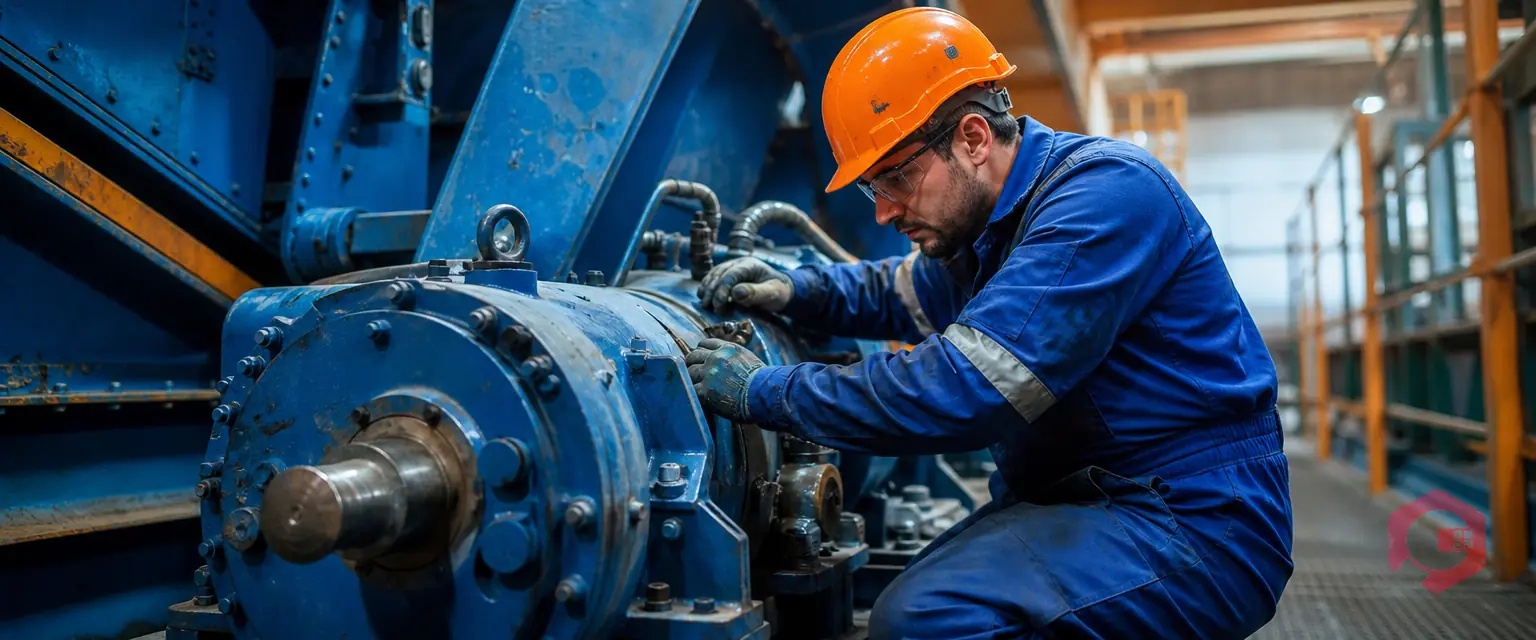
An unplanned equipment breakdown in a leather manufacturing plant doesn't just cost you a few hours — it can halt an entire production line, delay shipments, and damage costly raw hides that can't be recovered. According to a Plant Engineering study, unplanned downtime costs industrial manufacturers an average of $260,000 per hour. For leather plants running continuous tannery, finishing, and cutting operations, the stakes are even higher.
The best defense is a structured equipment maintenance checklist tailored to the unique demands of leather manufacturing — one that covers your fleshing machines, splitting machines, drum tumblers, buffing units, and finishing lines on a daily, weekly, monthly, and annual basis. This guide gives you that checklist, ready to use today.
What Is a Leather Manufacturing Equipment Maintenance Checklist?
A leather manufacturing equipment maintenance checklist is a structured, task-by-task schedule that guides maintenance teams through inspections, lubrication, cleaning, calibration, and part replacement for every machine in a leather plant. It assigns specific tasks to daily, weekly, monthly, and annual intervals — so nothing gets missed and no machine fails without warning.
Unlike generic factory checklists, a leather plant checklist must account for the corrosive chemicals used in tanning (chromium salts, formic acid, sulfuric acid), the high moisture environments of drum tumblers and soaking pits, and the precision tolerances required by splitting and skiving machines. Missing a single lubrication cycle or blade calibration check can result in uneven leather thickness, product rejection, and thousands in wasted raw material.
A well-executed checklist reduces unplanned downtime, extends equipment lifespan, and keeps your plant compliant with ISO 9001 quality management standards and environmental regulations like REACH.
Key Machines in a Leather Plant That Need Regular Maintenance
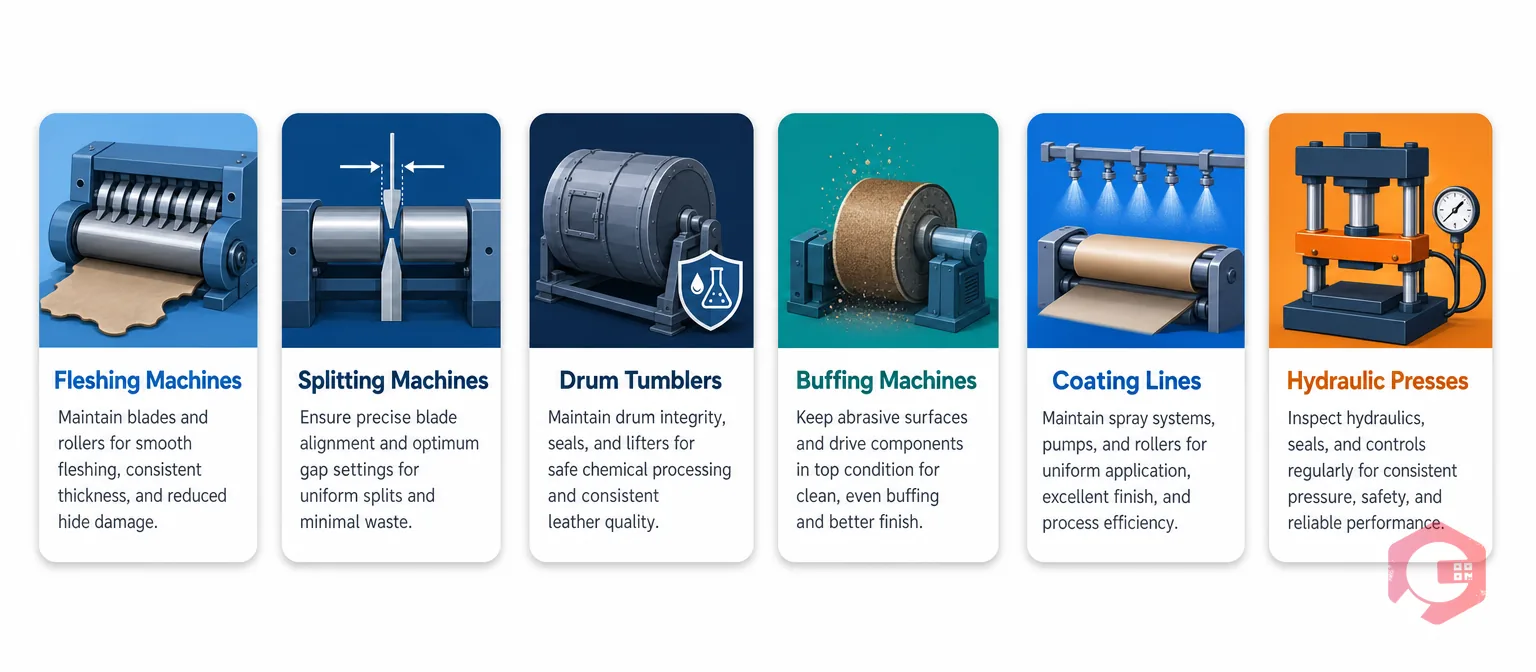
Before you build a checklist, you need to know which equipment is most critical to operations and most vulnerable to failure. In a typical leather manufacturing plant, these are the machines that demand the closest maintenance attention:
Fleshing Machines — Remove subcutaneous tissue from hides. Blades dull quickly; rollers wear under constant pressure.
Splitting Machines — Split hides to uniform thickness. Blade alignment and feed roller tension are critical — a misalignment of 0.1mm produces scrap.
Drum Tumblers / Paddling Drums — Soak and tan hides. Drum seals, bearings, and rotation speed need regular checks to prevent chemical leaks.
Staking Machines — Soften leather by mechanical action. Drive belts and staking pins wear rapidly.
Buffing Machines — Smooth leather surface. Abrasive drums generate dust that clogs motors if not cleaned regularly.
Spray and Roller Coating Machines — Apply dyes and finishes. Nozzles and rollers clog with dried chemicals, causing uneven coating.
Toggling / Setting-Out Machines — Stretch and dry hides under tension. Toggle clips and pneumatic cylinders need regular inspection.
Hydraulic Presses and Embossing Machines — Apply grain patterns. Hydraulic seals and pressure valves are high-failure components.
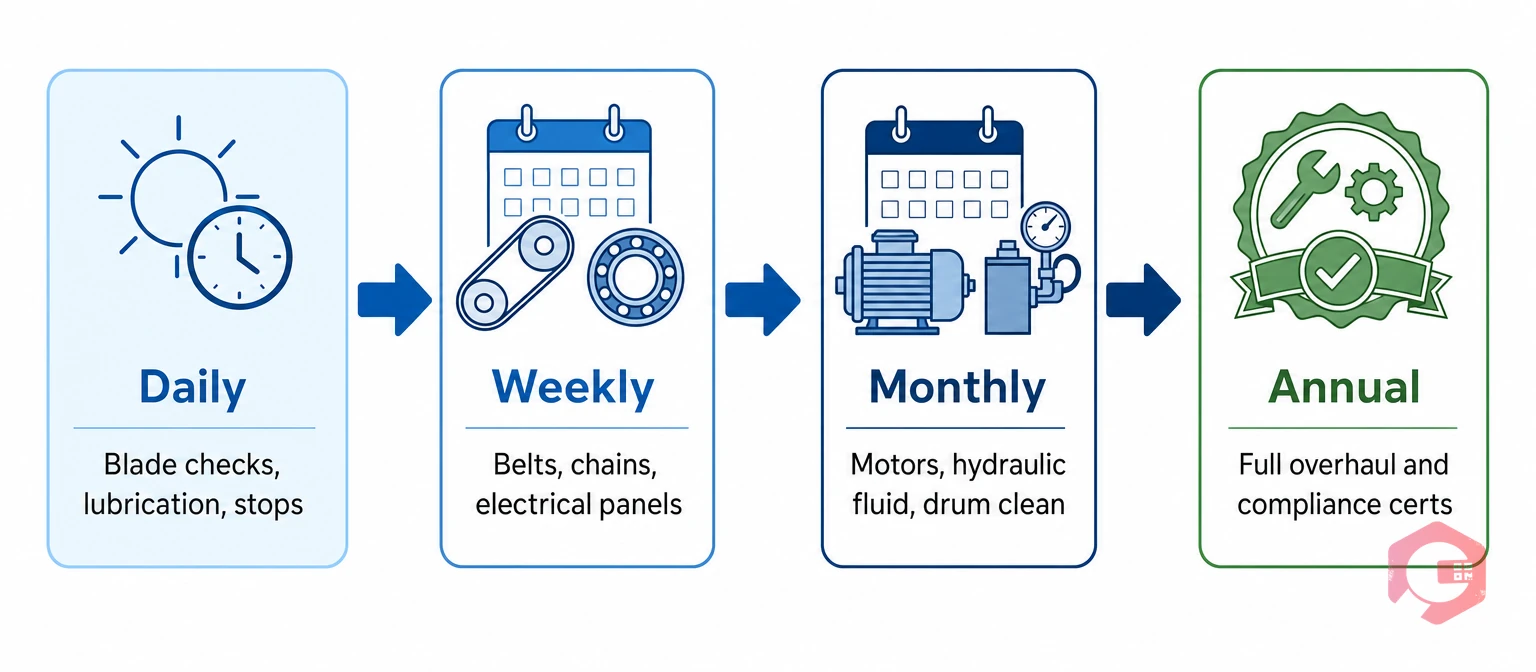
Daily Maintenance Checklist for Leather Plant Equipment
Daily checks take 20–30 minutes per shift and prevent the majority of in-shift breakdowns. Every operator should complete these before starting production:
Drum Tumblers: Check drum seal integrity for chemical leaks; verify rotation speed against set parameters; inspect drive belt tension; confirm chemical dosing pump calibration.
Buffing Machines: Clear dust accumulation from motor vents and abrasive drum housing; verify suction/extraction system is operational; check abrasive drum for uneven wear.
Spray Coating Lines: Flush and clean spray nozzles with solvent; check pump pressure; inspect conveyor belt for chemical buildup.
Hydraulic Presses: Check hydraulic fluid level and color (discoloration signals contamination); inspect all visible hoses for cracks or bulging; confirm pressure gauge readings are within rated range.
All Equipment: Record any unusual noise, vibration, heat, or smell; log defects in the work order system for technician review.
Weekly Maintenance Checklist
Weekly tasks go deeper — they catch wear patterns that daily checks miss and keep precision components calibrated:
Blade Replacement & Calibration: Replace fleshing and splitting machine blades on a fixed schedule (typically every 5–7 operating days); recalibrate blade gap and splitting thickness after every replacement.
Lubrication Schedule: Grease all bearings on drum tumblers, staking machines, and toggling frames; check gearbox oil levels on all motor-driven equipment.
Belt & Chain Inspection: Check all drive belts and chains for fraying, cracking, or elongation; measure belt tension and adjust to manufacturer specification.
Electrical Panel Check: Inspect control panels for loose connections, corrosion (especially in humid tannery areas), and tripped circuit breakers.
Chemical Handling Equipment: Inspect chemical storage tanks, dosing lines, and valves for leaks or corrosion; test pH and chemical concentration levels in drum baths.
Pneumatic Systems: Check compressed air pressure across all pneumatic actuators; drain water separators and air receivers; inspect fittings for air leaks.
Monthly Maintenance Checklist
Monthly maintenance is your opportunity to assess cumulative wear and replace components before they fail under load. According to a Reliable Plant report, plants that follow structured monthly PM schedules reduce maintenance costs by up to 18% compared to reactive-only approaches.
Motor & Drive System Inspection: Measure motor operating temperature under load using a thermal camera or contact thermometer; check motor insulation resistance; inspect coupling alignment on all direct-drive machines.
Hydraulic System Service: Change hydraulic fluid filters; test hydraulic pressure under full load; inspect all cylinder seals and replace if weeping.
Drum Tumbler Deep Clean: Drain, clean, and decontaminate drum interiors; inspect drum lining for chemical erosion; check and re-torque all drum bolts.
Safety System Verification: Test all emergency stop circuits, light curtains, interlocks, and safety guards; document results for ISO 9001 and audit compliance.
Spare Parts Inventory Audit: Cross-check critical spare parts (blades, seals, belts, bearings) against minimum stock levels; raise purchase orders for items approaching reorder point.
Annual Maintenance Checklist
Annual shutdowns are the time for complete overhauls, regulatory inspections, and long-range planning. These tasks typically require specialist contractors and should be scheduled during planned production downtime:
Full Machine Overhaul: Disassemble and inspect splitting machines, fleshing machines, and staking machines for frame fatigue, worn shafts, and bearing seat damage.
Electrical System Audit: Engage a certified electrician to test all control panels, motor wiring, and earthing systems; verify compliance with local electrical safety regulations.
Pressure Vessel Certification: Inspect and certify all pressurized vessels (boilers, autoclaves, compressed air receivers) as required by statutory regulations.
Environmental Compliance Check: Test effluent treatment plant (ETP) performance; verify chromium recovery systems are functioning within REACH and local environmental discharge limits.
Asset Life Assessment: Review MTBF (Mean Time Between Failures) data for every major asset; flag equipment approaching end of life for capital replacement planning.
Calibration Certification: Send all measurement instruments (thickness gauges, pressure gauges, load cells) for third-party calibration; update calibration records in your asset management system.
How CMMS Automates Your Leather Plant Maintenance Checklist
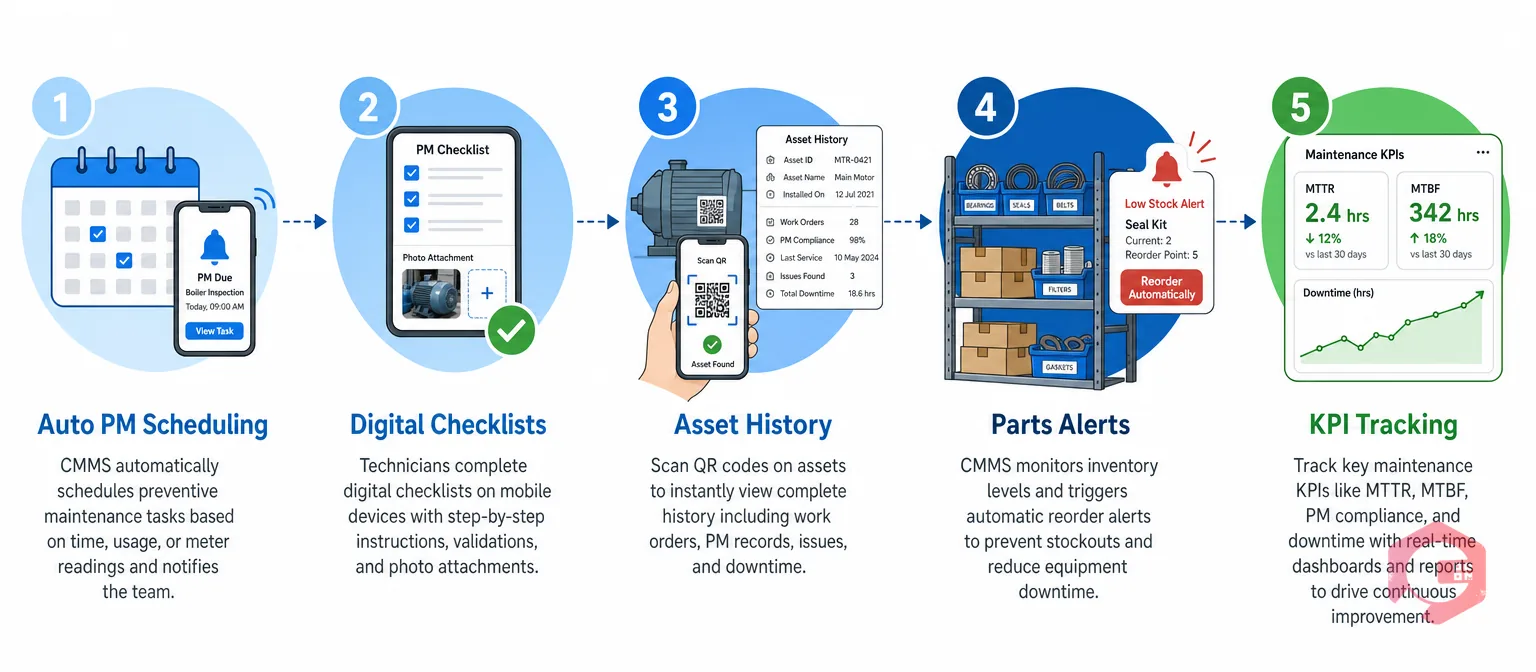
A paper checklist or spreadsheet is a starting point — but it breaks down fast in a busy leather plant. Technicians miss sign-offs, managers can't track completion in real time, and there's no alert when a PM task is overdue. A CMMS (Computerized Maintenance Management System) like Cryotos solves all of this automatically.
Automated PM Scheduling: Cryotos schedules daily, weekly, monthly, and annual tasks automatically — no manual reminders needed. Technicians receive alerts via mobile app, email, or WhatsApp the moment a task is due.
Digital Checklists with Photographic Evidence: Each maintenance task comes with a digital checklist. Technicians attach photos, videos, and notes directly to the work order — creating an audit-ready record for ISO 9001 inspections.
Asset History at Your Fingertips: Every machine in your leather plant gets a digital profile. Scan a QR code on a fleshing machine and instantly see its full service history, last blade change date, and open work orders.
Spare Parts Alerts: Cryotos tracks spare parts inventory and sends automatic alerts when blades, seals, or belts drop below minimum stock — so you're never waiting on a part during a breakdown.
Downtime KPI Tracking: Track MTTR (Mean Time to Repair) and MTBF (Mean Time Between Failures) for every machine. Plants using Cryotos report up to a 30% reduction in unplanned downtime within the first six months of deployment.
How to Build a Custom Maintenance Checklist with Cryotos CMMS
Setting up your leather plant checklist in Cryotos takes less than a day. Start by adding each machine as an asset in the preventive maintenance module. Attach the relevant daily, weekly, monthly, and annual task lists to each asset. Set the frequency, assign responsible technicians, and let Cryotos handle the scheduling from there. You can import existing Excel-based checklists directly via OCR — no manual data entry required.
Common Maintenance Challenges in Leather Manufacturing
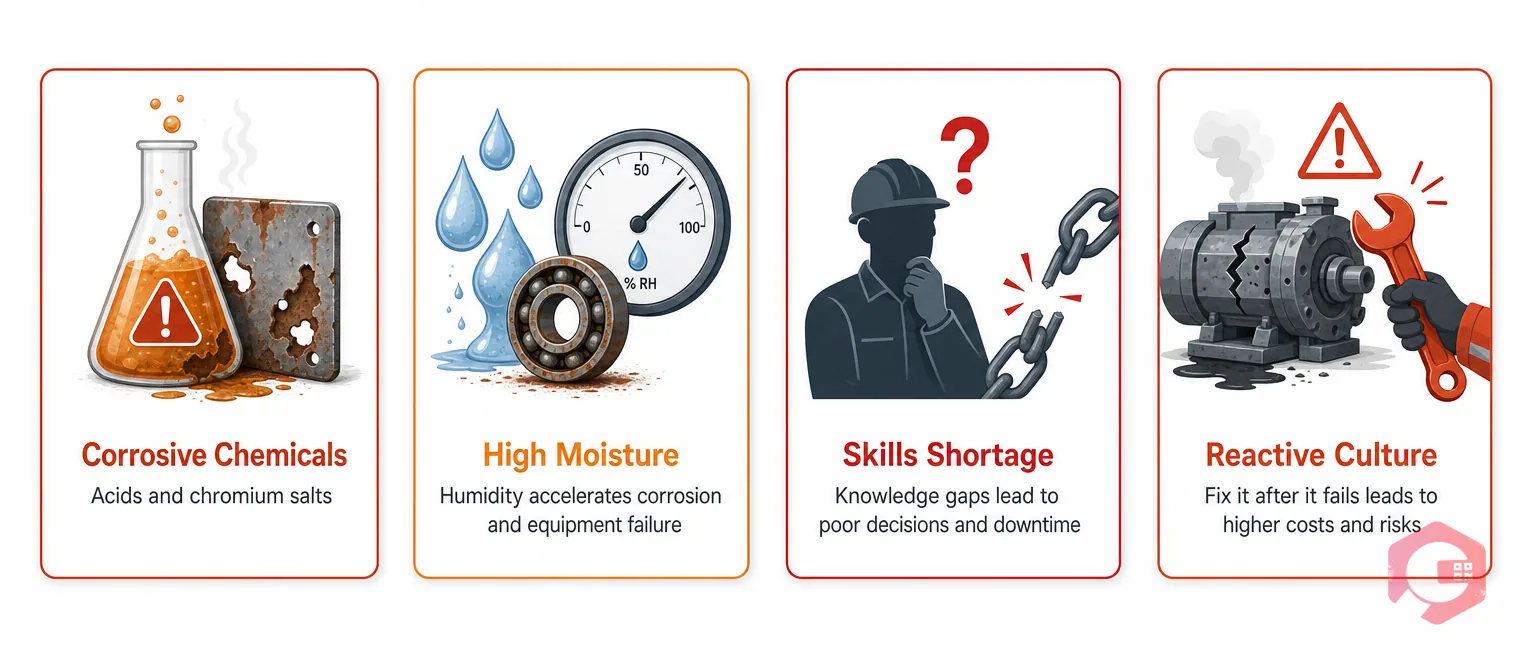
Even with a solid checklist in place, leather plants face unique maintenance obstacles that generic manufacturing guides overlook:
Corrosive Chemical Environments: Chromium salts, acids, and solvents accelerate metal corrosion and degrade seals faster than in dry manufacturing environments. Maintenance intervals in leather plants often need to be 30–40% shorter than OEM recommendations built for standard conditions.
High-Moisture Operating Zones: Drum halls and soaking pits create humidity levels above 80%, which causes electrical insulation failure, bearing seizure, and accelerated rust. Sealed bearings and IP-rated electrical enclosures are essential — and require their own inspection regime.
Skilled Technician Shortages: Leather machinery — especially splitting and fleshing equipment — requires specialist knowledge to calibrate correctly. Documenting standard operating procedures (SOPs) inside your CMMS ensures knowledge transfer when experienced technicians retire or leave. According to McKinsey, 2.4 million manufacturing jobs may go unfilled by 2028 due to skills gaps.
Reactive Culture: Many leather plants still run on a "fix it when it breaks" approach. Shifting to preventive maintenance requires management buy-in, technician training, and clear KPI tracking — all of which a downtime tracking system makes measurable and visible.
Frequently Asked Questions
How often should leather manufacturing equipment be serviced?
Critical equipment like fleshing and splitting machines should be checked daily for blade condition and roller alignment. Lubrication and belt inspection should happen weekly, hydraulic and motor systems monthly, and full overhauls annually. In high-moisture or high-chemical environments, some intervals should be shortened by 30–40% compared to standard OEM recommendations.
What is the most common cause of machine failure in leather plants?
Inadequate lubrication and delayed blade replacement are the top two causes of mechanical failure in leather manufacturing equipment. Chemical corrosion of seals and bearings is a close third — particularly in drum tannery and finishing areas where acid and chromium salt exposure is continuous.
Can a CMMS replace a paper maintenance checklist?
Yes — and it goes much further. A CMMS like Cryotos not only stores your checklists digitally but automatically schedules tasks, sends alerts to technicians, tracks completion with photographic evidence, and generates compliance reports for audits. Paper checklists can't provide real-time visibility, historical trend analysis, or automatic escalation when tasks are missed.
What spare parts should a leather plant always keep in stock?
At minimum, leather plants should maintain buffer stock of fleshing and splitting machine blades, drive belts, hydraulic seals, drum tumbler bearings, spray nozzle sets, and pneumatic fittings. Your CMMS inventory module can track consumption rates and automatically alert you when any item falls below its reorder point.
Conclusion
A structured equipment maintenance checklist is the foundation of a reliable leather manufacturing plant. When you move from reactive repairs to planned, frequency-based maintenance — covering daily inspections, weekly lubrication, monthly motor checks, and annual overhauls — you protect your production throughput, extend equipment life, and stay audit-ready year-round.
But a checklist is only as good as the system that enforces it. If your team is still managing maintenance with paper forms or spreadsheets, you're leaving compliance gaps, missed tasks, and untracked downtime on the table. Cryotos CMMS brings your entire leather plant maintenance operation — checklists, work orders, spare parts, asset history, and KPIs — into one platform your team can use from the shop floor to the boardroom.
Ready to replace your paper checklist with a smarter system?Book a free Cryotos demo and see how leather manufacturers are cutting unplanned downtime by 30% — starting in week one.