

Peak load maintenance readiness is the state where a unit can start on demand, reach rated output and stay online at peak. A readiness schedule gets it there by working backward from the first expected peak, with owners, checkpoints and a go or no-go decision.
Plants earn the most in the hours when demand is highest, and a missed start or known fault costs the most then. A Computerized Maintenance Management System (CMMS) turns the schedule into tracked work, so critical defects close before the season starts.
Key Takeaways

Readiness means the work is finished before demand arrives. It combines completed planned work, closed critical defects, tested protection and controls, secured fuel and spares, and crews ready to respond.
Start reliability is the percentage of dispatch calls where a unit starts successfully. It matters most for peakers, which may sit idle for weeks.
NERC seasonal assessments and cold-weather rules such as EOP-012 expect documented preparation, and IEEE 762 defines the availability terms. Peaking power plants and cycling units carry the most start risk.
A peaking power plant is a plant that runs mainly during periods of highest electricity demand. Its equipment sits in standby, and only a real start reveals what aged quietly.
Most plants see these failure modes in the same weeks each year. A schedule moves the fixes ahead of them, so you fix the causes you control before the weather you cannot. Units built for steady output now follow demand, and load-following operation adds stress.
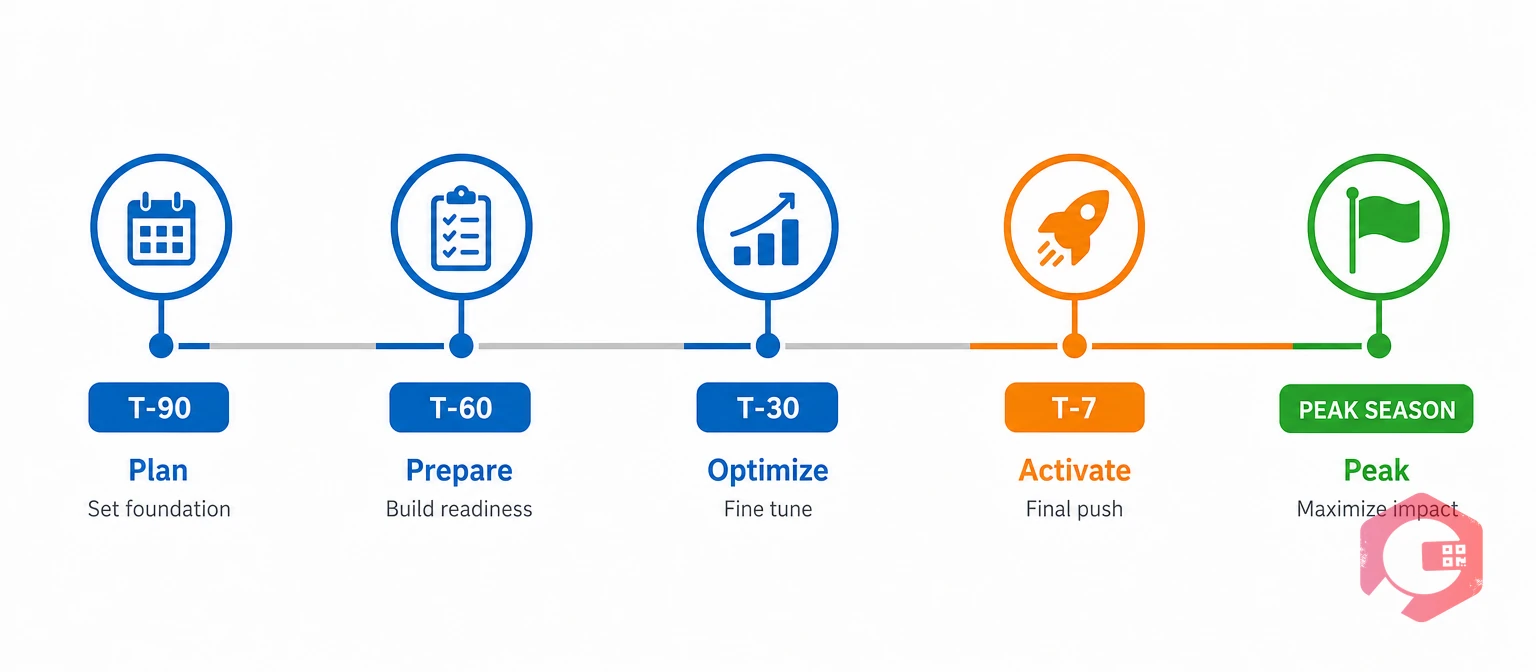
A readiness schedule works backward from the first expected peak, with an owner at each step. The table shows a common shape. Dates, scope and lead times vary by plant, market and outage window.
| Phase | Timing | Key activities | Output |
|---|---|---|---|
| Post-season review | After last peak. | Record failures, deferred work and parts used. | Lessons and next scope. |
| Outage window | Shoulder season. | Major overhauls, inspections and protection tests. | Completed scope and test records. |
| T-90 days | About 3 months out. | Review backlog, close critical defects, confirm long-lead parts. | Frozen critical work list. |
| T-60 days | About 2 months out. | Run functional and start tests, check cooling and fuel systems. | Test results and punch list. |
| T-30 days | About 1 month out. | Weather checks, fuel inventory, staffing and permit readiness. | Go or no-go by unit. |
| T-7 days | Final week. | Walk-downs, alarm and trip checks, crew briefing. | Signed readiness declaration. |
| Peak season | During peak. | Change freeze, daily checks, rapid-response crew. | Stable operation and fast recovery. |
Treat each date as a gate. If critical work is still open at T-30, escalate it then, not at T-3.
Want these gates to run themselves? Build them into maintenance checklists with owners and due dates.
Most forced outages at peak trace to a short list of systems. Check these first. Heat and cold need different checks: cooling capacity and inlet air in summer, heat tracing and insulation in winter.
Condition data tightens the list. Vibration, oil analysis and temperature trends show which assets need work first. Give each system an owner and a due date at T-60.
Three measures show readiness from different angles. Availability looks at time, forced outage rate looks at risk, and start reliability looks at dispatch success.
| Metric | What it shows | Why it matters at peak |
|---|---|---|
| Equivalent availability factor (EAF) | Share of time a unit can make full output after outages and derates. | Headline readiness measure. |
| Forced outage rate on demand (EFORd) | Chance a unit is forced out or fails to start when called. | Direct peak-demand risk. |
| Start reliability | Percent of dispatch calls where the unit starts. | Critical for peakers and cycling units. |
| Open critical work orders | Unresolved high-priority defects. | Risk heading into the season. |
Definitions follow common practice, such as IEEE 762 and NERC GADS reporting. Use the exact definitions your market requires. Track them monthly before peak and weekly during it.
A change freeze is a period when elective maintenance and configuration changes need operations approval. It protects running units from risky late changes.
A CMMS turns readiness from a spreadsheet into scheduled, tracked work. Maintenance teams load the plant once, and the system raises tasks at each countdown date.
Maintenance teams using Cryotos have reported up to 30% reduction in unplanned downtime and 25% faster repair turnaround. See how Cryotos delivers power plant maintenance software for real generation sites.
A planner builds a peak load maintenance task group for Unit 2, running from T-90 to T-7. Technicians scan each asset, follow the checklist and sign off on a phone. At T-30 the dashboard shows two open critical work orders, so the manager reschedules crews before peak, not during it.
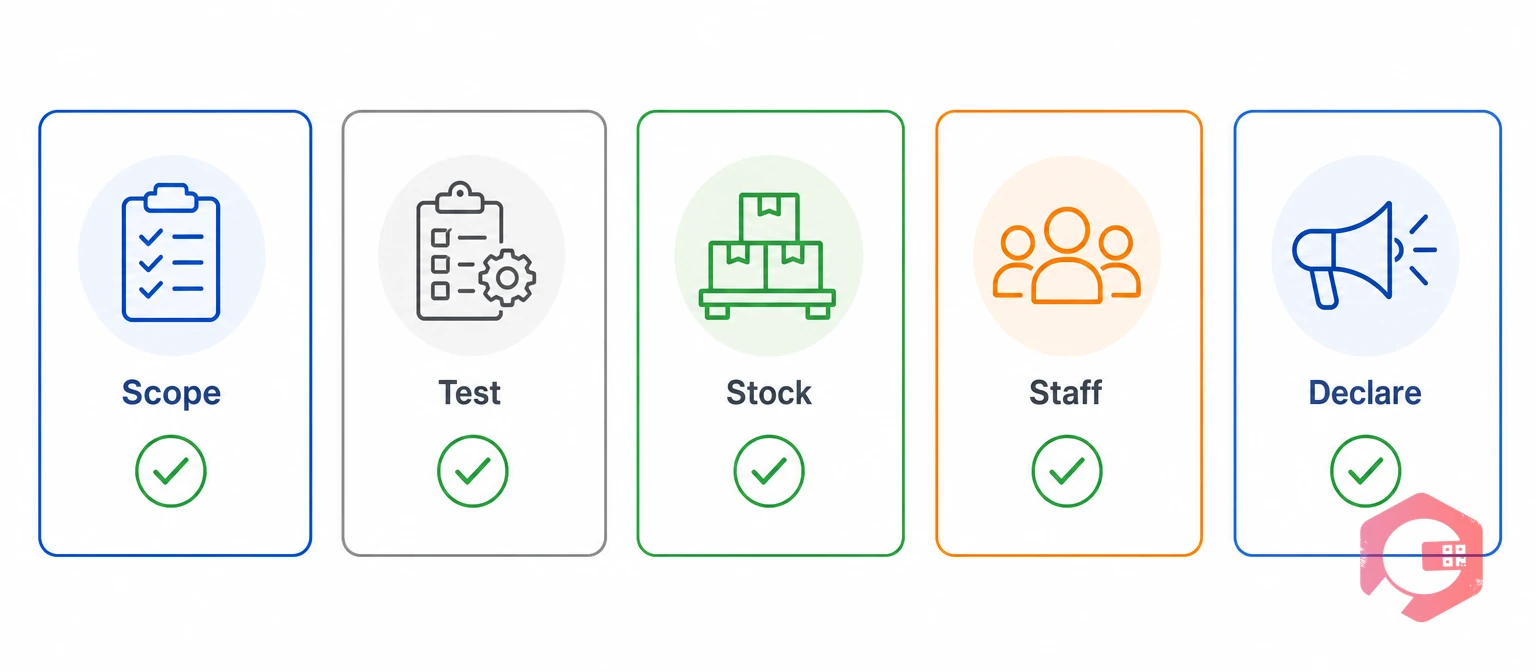
Peak readiness comes down to five gates. A unit passes each one before the next begins.
The Five-Gate Peak Readiness Framework:
Track gate completion, open critical work orders and forced outages in the peak window. Together they show whether your peak load maintenance program works.
It is a plant that runs mainly when electricity demand is highest. Peakers are usually gas turbines or engines that start quickly, run few hours a year and cost more per megawatt-hour.
Many simple-cycle gas turbine peakers reach full load in roughly 10 to 30 minutes, and some engines are faster. Combined cycle and steam units take longer.
Base load plants run nearly all the time at steady output, while peak load plants run only when demand spikes. That makes start reliability and standby care far more important for peakers.
Peak load is the highest level of electricity demand in a period, such as an afternoon heat wave or a winter evening. Plants must be ready to supply it without failures.
Most plants begin planning right after the last peak and finish major work in the shoulder season. A countdown from 90 days out keeps critical defects and spares on track.
Cooling systems, fuel and instrument lines, boiler tubes, auxiliary power and controls are common culprits, along with starts on units that sat idle. Check them first each season.
Usually once the final readiness declaration is signed, before the peak season begins. Operations should approve any exception.
A short signed record for each unit: tests completed, open critical items, spare and fuel status, staffing and any known limits. Operations and maintenance should both sign.
Yes. A CMMS can schedule task groups by date or run hours, collect signed checklist results and show open critical work by unit. Cryotos adds mobile, offline access for plant rounds.
Peak demand rewards plants that are ready before the call comes. Schedule a free demo to see how Cryotos keeps every unit, spare and permit on schedule.

Cryotos AI predicts failures, automates work orders, and simplifies maintenance—before problems slow you down.



