
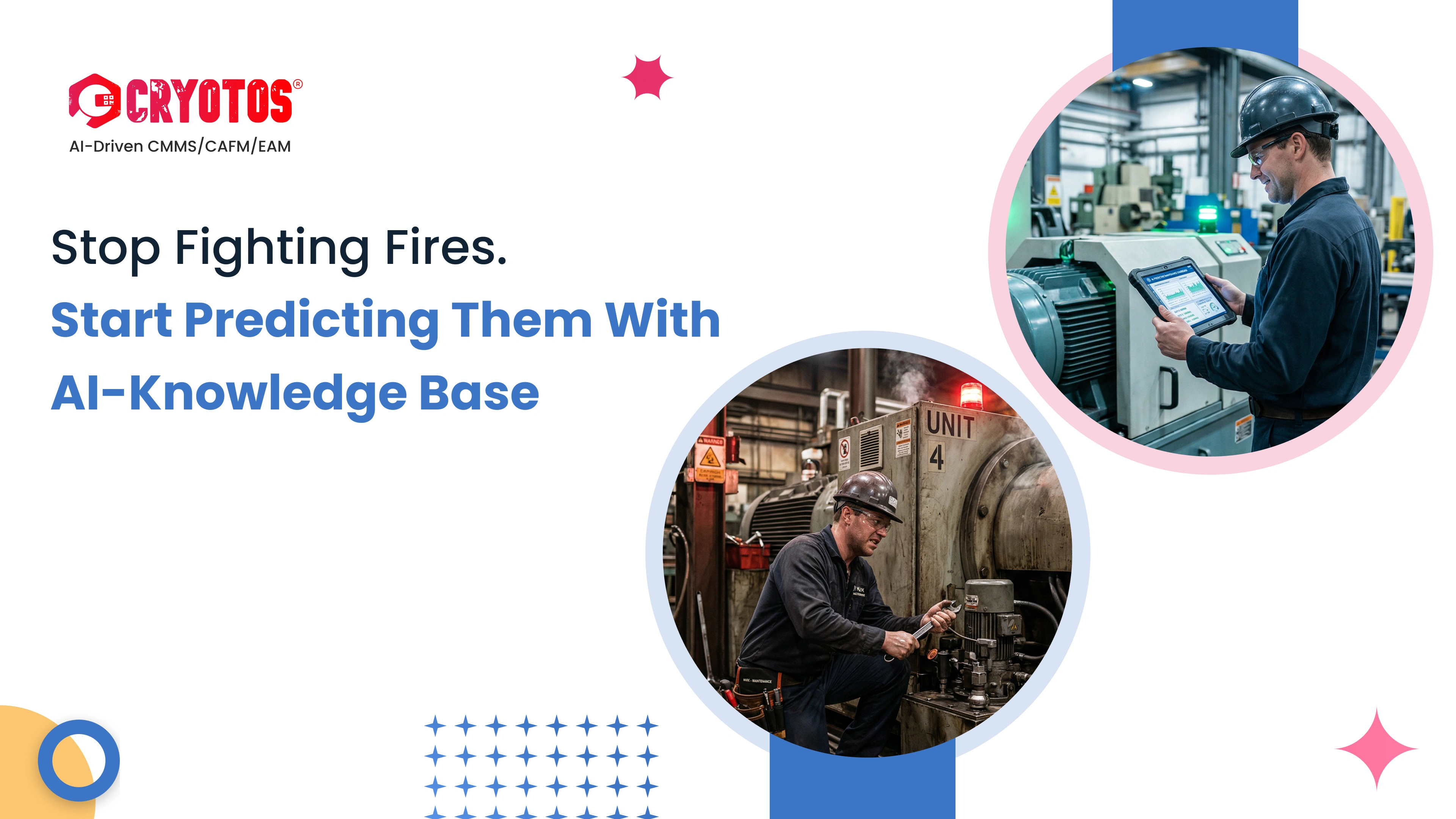
Imagine a maintenance team that never scrambles for information. One where technicians arrive on-site already knowing the fault history of an asset, where work requests practically write themselves, and where a manager can predict next month's equipment failures before they cost a single hour of production. That future is not a distant ambition - it is what Cryotos CMMS is delivering today through its expanding suite of artificial intelligence features.
For decades, maintenance management has been reactive by nature. Equipment breaks. Alarms sound. Technicians rush. Reports pile up. The cycle repeats. Digital tools like CMMS platforms moved the needle - replacing paper job cards with structured workflows and bringing visibility where there was once chaos. But the next leap forward is not just about digitising what already exists. It is about making those systems intelligent enough to work on your behalf.
Cryotos has embedded AI at four critical points in the maintenance lifecycle: work request creation, real-time troubleshooting, institutional knowledge management, and predictive analytics dashboards. Together, these capabilities do not simply make maintenance faster. They fundamentally change how maintenance decisions get made.
The humble work request is the entry point for every maintenance task. Yet it is also one of the most consistently underestimated sources of delay. A poorly written request - missing the asset tag, vague on the symptom, silent on urgency - creates a ripple of inefficiency that travels all the way through scheduling, parts procurement, and technician dispatch.
Consider the typical scenario: a floor supervisor notices an unusual vibration from a pump motor and submits a request that reads "pump making noise." The maintenance coordinator receives it, has no idea which pump, no location reference, and no indication of whether this is a minor irritation or an impending failure. Before a job card can be raised, two or three follow-up conversations must happen - each one burning time that neither side can spare.
Cryotos' AI-assisted work request feature eliminates that friction entirely. As a requester begins typing a description, the AI analyses the keywords in real time and prompts for the specific details that are most likely to be missing - asset identifier, fault category, urgency level, and any relevant environmental context. The system draws on historical request data to suggest the most probable fault type and recommended priority, transforming an open text field into a structured, actionable brief.
"The result is not just a faster request - it is a better one. Technicians arrive prepared, not guessing."
For maintenance managers, this translates into reduced back-and-forth, more accurate scheduling, and a meaningful reduction in mean-time-to-respond. For frontline staff, it removes the cognitive load of knowing exactly what information to include. The AI becomes a silent co-author of every request, ensuring nothing critical slips through the cracks.
When a critical asset fails unexpectedly, the clock starts ticking immediately. Every minute offline carries a cost - whether that is lost production output, a disrupted cold chain, a stalled manufacturing line, or simply the expense of an emergency callout. The ability to diagnose and resolve a fault quickly is not just a technical challenge. It is a commercial one.
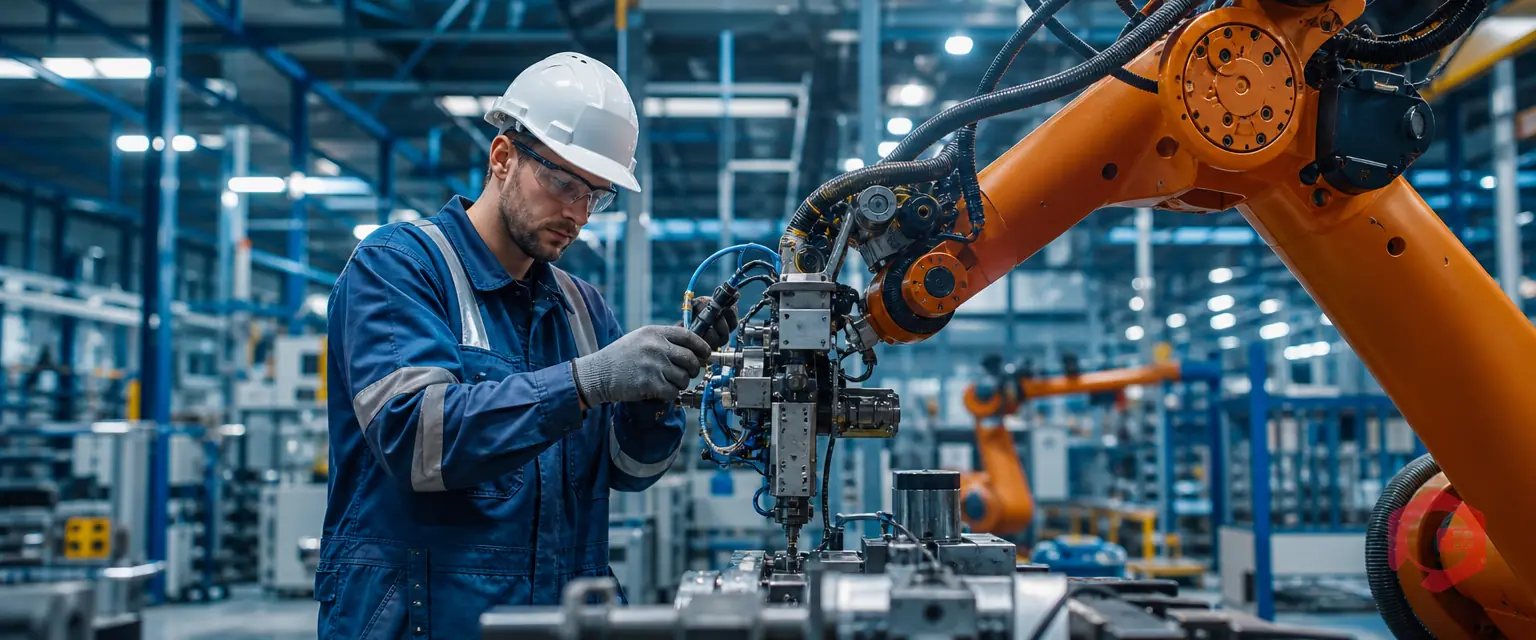
Experienced technicians carry years of fault diagnosis knowledge in their heads. They recognise the particular hum of a bearing about to fail, know which model of compressor is prone to a specific seal issue, and recall from memory the last time that conveyor belt threw a fault code. That expertise is invaluable - but it is also fragile, unevenly distributed across teams, and impossible to scale.
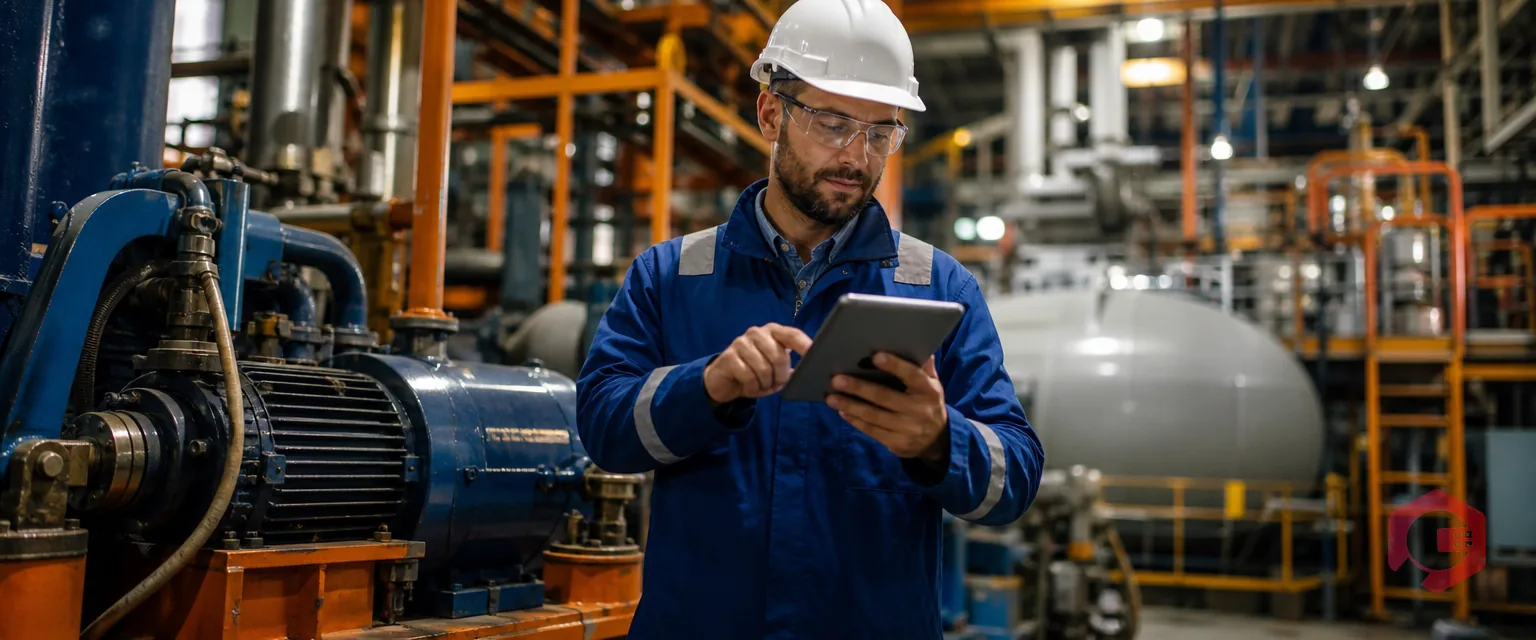
Cryotos addresses this directly with its AI-powered troubleshooting assistance feature. When a technician opens a work order and begins entering observations about a fault, the system searches a global maintenance database in real time, cross-referencing keywords against thousands of equipment types, fault patterns, and resolution histories. Within seconds, it surfaces the most relevant troubleshooting steps, part recommendations, and known root causes for that class of problem.
This is not a static FAQ or a lookup table. The recommendations are dynamic, weighted by relevance to the specific equipment, fault description, and operational context. A technician working on a refrigeration compressor in a cold storage facility gets different suggestions than one dealing with a similarly described fault on a hydraulic press in a manufacturing plant.
"Instant, context-aware fault guidance means your newest technician can troubleshoot with the confidence of your most experienced one."
Every organisation that has been running maintenance operations for more than a few years is sitting on a goldmine of knowledge - and most of them have no idea how to access it. Work orders from five years ago that documented exactly how a tricky HVAC fault was finally resolved. Asset commissioning documents that explain precisely how a bespoke piece of equipment should behave under load. Field notes from a long-serving technician who retired last year and took decades of institutional memory with them.
This knowledge exists, but it is scattered. Locked in old files, buried in email threads, stored in the memory of individuals. When a similar problem recurs, the team essentially starts from scratch - because there is no reliable way to surface what the organisation already knows.
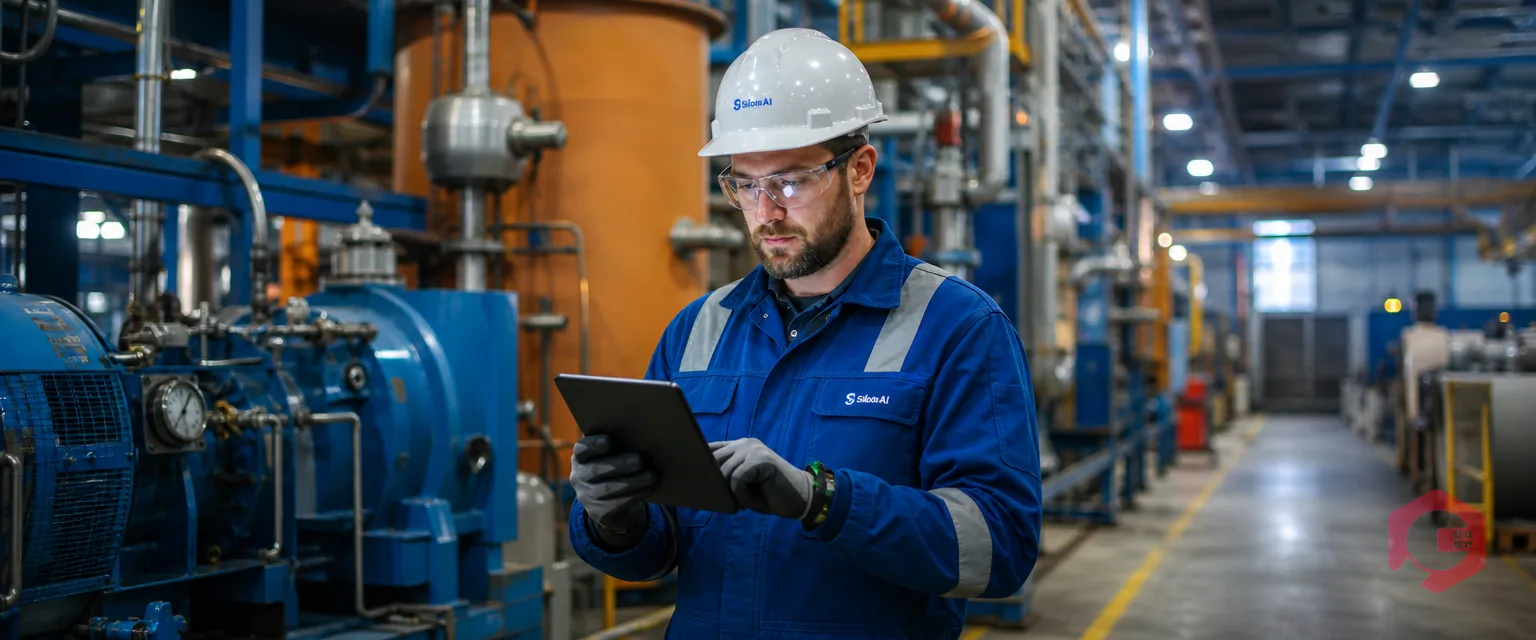
The AI-Powered Knowledge Base in Cryotos is built specifically to solve this problem. Organisations can train the system on their own assets: upload maintenance manuals, historical work orders, inspection reports, OEM documentation, and operational procedures. The platform processes this material, extracts key information, and builds a searchable, intelligent knowledge layer that sits underneath every interaction within the CMMS.
When a technician faces a fault, the knowledge base does not just return keyword matches - it understands context. It can distinguish between a fault that looks similar but requires a different resolution depending on the asset age, the operating environment, or the maintenance history of that specific unit. Over time, as more work orders are completed and more documents are added, the system becomes increasingly accurate and increasingly specific to that organisation's unique operational fingerprint.
"Your collective maintenance expertise, always available - for every technician, on every shift, on every site."
The practical impact goes beyond faster fault resolution. Standardisation improves because everyone draws on the same validated knowledge source. Onboarding accelerates because new technicians have immediate access to the organisation's best practices rather than relying on shadowing experienced colleagues. And the risk of repeating costly mistakes is dramatically reduced because the system surfaces what went wrong before and what actually fixed it.
Traditional maintenance dashboards are essentially rearview mirrors. They tell you what happened - how many work orders were completed last month, what the average response time was, which assets generated the most corrective jobs. That information is useful for reporting and accountability. But it does almost nothing to help a maintenance manager make better decisions about what happens next.
Cryotos' AI-Based Dashboards are designed around a fundamentally different philosophy: the most valuable insight is the one that helps you act before a problem occurs, not after it has.
By analysing patterns across work order data, asset health indicators, maintenance frequency, and operational conditions, the AI surfaces predictive signals that would be invisible to any human analyst reviewing the same data manually. An asset that has required three minor corrective interventions in the past six weeks might not look alarming in isolation. But the AI can recognise that pattern as a reliable precursor to a major failure - one that, historically, occurs within the next thirty days unless a specific preventive action is taken.
Managers gain real-time visibility into which assets are trending toward failure, which maintenance schedules are misaligned with actual equipment wear patterns, and where labour and parts resources are most likely to be needed in the coming weeks. The dashboard moves the conversation from 'what broke last month' to 'what do we need to do this week to prevent a breakdown next month.'
"Predictive maintenance is not about replacing human judgement - it is about giving that judgement the data it needs to be truly effective."
The business case for predictive insight is well established. Emergency repairs cost significantly more than planned maintenance. Unplanned downtime disrupts production schedules, strains customer relationships, and creates safety risks. The earlier a potential failure is identified, the cheaper and less disruptive it is to address. AI-based dashboards make that early identification systematic rather than dependent on individual vigilance.
These four AI features - work request creation, troubleshooting assistance, the knowledge base, and predictive dashboards - are not isolated additions to the platform. They are designed to work together as a connected intelligence layer that learns and improves with every interaction. The more your team uses Cryotos, the smarter it becomes.
The era of firefighting maintenance is ending. The organisations that will lead their industries in operational excellence over the next decade are the ones investing now in systems that help them think ahead, act early, and learn continuously. Cryotos is built to help you become one of them.
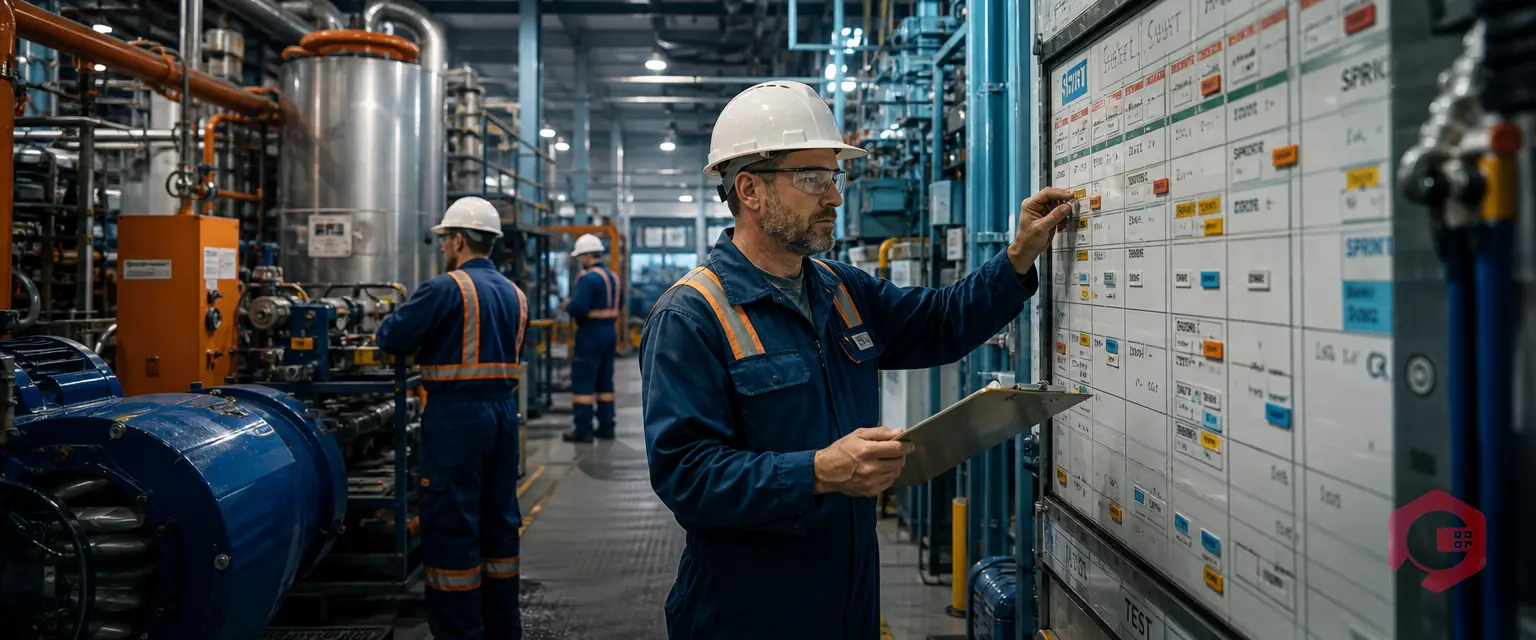
Cryotos AI predicts failures, automates work orders, and simplifies maintenance—before problems slow you down.



