

The use of complex and aging infrastructure in hostile remote locations is dangerous. Operators expose serious blind spots when they use fragmented data and outdated spreadsheets. This is a reactive strategy that can only result in expensive, unexpected downtime, extreme safety risk, and huge financial damages due to unexpected equipment breakdown.
The business will no longer support calendar-based maintenance or run-to-failure models. Foresight operators are moving on to Asset Performance Management (APM) and condition-based approaches. With the help of IoT sensors and real-time analytics, companies are now able to predict and avert equipment outages before they occur, eliminating unwarranted labor and making the most of the assets being used.
Cryotos CMMS transforms big data in real-time. Our mobile-first solution serves as your command center, interfacing with your IoT sensors to monitor the health of your assets in real-time, automate preventive maintenance services, and manage stock from anywhere. Operators can cut down on downtime by up to 30 using Cryotos, increase equipment lifetime, and make maintenance a profit-producing asset.
Asset Management Software offers a data-driven approach to the creation, operation, maintenance, and decommissioning of assets in a highly volatile and capital-intensive oil and gas environment in a cost-effective manner. To hedge against the volatility of the market, modern oil and gas facilities are increasing production and storage capacities and ensuring long-term profitability. This growth is supported by the great management of the assets so that the complex machinery and infrastructure can work at their best capacity throughout their lifecycle.
The oil and gas industry is very asset-intensive. The process of drilling new wells, pipeline maintenance, and refinery operations involves heavy machinery that is likely to be deployed in remote and hostile locations. It may be logistically a nightmare to have access to instant technical assistance and replacement spares, whether on land, offshore, or in deepwater reserves.
Due to such adverse conditions, planned equipment failure will result in colossal production losses. What is more problematic is that the malfunction of equipment in this industry not only damages the bottom line, but it also presents serious environmental and safety hazards to workers.
Most oil and gas companies use scheduled maintenance plans to avoid situations of unexpected breakdowns. In the past, it was a regular check in accordance with a rigid schedule. These scheduled outages would also provide proactive maintenance to critical assets, and in most cases, the non-critical assets would be left to a run-to-failure reactive model.
Nonetheless, regular maintenance procedures that rely on a calendar are mostly obsolete. There is a huge difference between the life span and the maintenance nature of different assets. Moreover, each drill site and refinery is under different environmental conditions, has different loads on operations, and has dissimilar stress. The use of a blanket calendar approach to treating each piece of equipment is often a cause of unnecessary maintenance, the use of labor hours, and costs that are exaggerated.
In the modern dynamism, it is no longer possible to use in-house experts to manually extract data. A volatile market requires an automated solution that is flexible.
That is where an Asset Performance Management (APM) solution may be applied. Data analytics tools create a single, reliable source of truth out of your data. This will enable the management and maintenance teams to know the status of the assets instantly and make decisions that are proactive and data-driven.
A good APM program assists the oil and gas sector as follows:
The contemporary way of data collection brings about the increased efficiency of operations, a higher level of worker safety, minimized risk, and increased lifespan of the assets. Costly labor spending is avoided by switching to condition-based maintenance, and the huge financial burden of unpredictable downtime is eliminated.
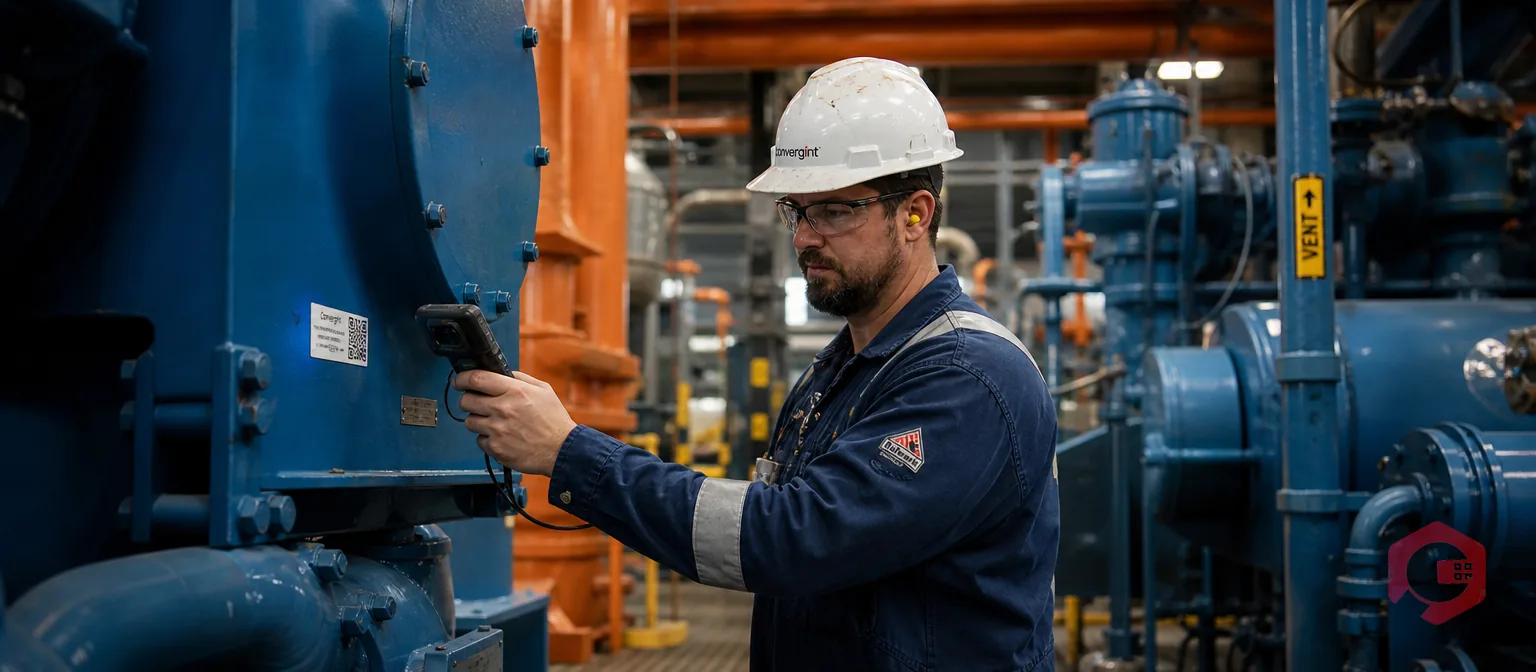
The tasks of controlling a large number of remote assets need a powerful and mobile-first platform. Cryotos Computerized Maintenance Management System (CMMS) gives oil and gas operators complete ownership of their infrastructure. With Cryotos, you can:
Cryotos CMMS provides real-time equipment tracking and important asset data, whether your team is at a remote drilling location, a central warehouse, or the corporate office.
The oil and gas industry cannot compromise on asset management. The industry depends on an enormous system of very costly resources that include offshore rigs and pipes, sophisticated refineries, and storage plants. Appropriate management of assets maximizes equipment use, reduces downtime, and increases the life of your critical infrastructure.
Besides profitability, proper management of assets is needed to help maneuver the industry with strict environmental, health, and safety regulations. Firms that invest in the modernisation of their maintenance strategies attain high competitive advantages.
Investing in a mobile-based CMMS solution like Cryotos helps organizations execute top-notch asset maintenance, reduce overhead costs, and eliminate inefficient processes.



Cryotos AI predicts failures, automates work orders, and simplifies maintenance—before problems slow you down.



