
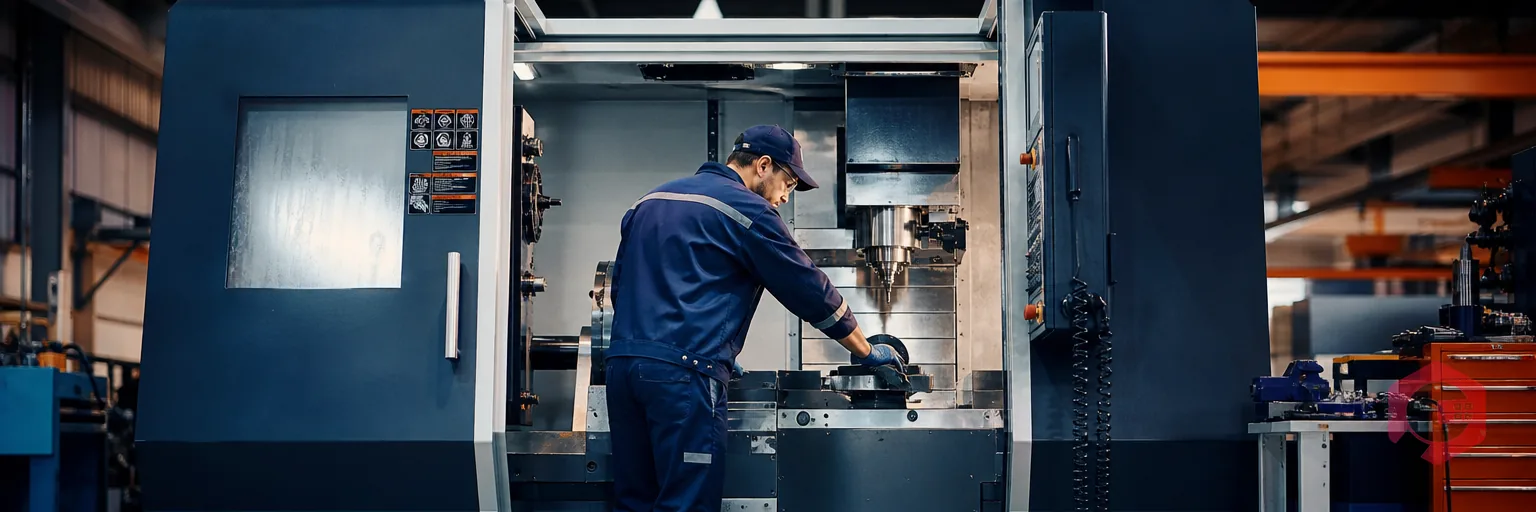
Autonomous maintenance vs traditional maintenance comes down to one question: who should catch a problem first, the operator or the technician? Autonomous maintenance is basic equipment care done by the machine operator. Traditional maintenance is repair work done only by trained technicians. Most plants need both. But when the line between them gets blurry, technicians waste time on tasks operators could handle, and small warning signs slip past untrained eyes. Getting this split wrong is one of the quietest ways a plant loses uptime. Nobody notices until a breakdown forces the issue. This guide explains the difference, shows who should own each task, and covers how a Computerized Maintenance Management System keeps the split working day to day.
Key Takeaways
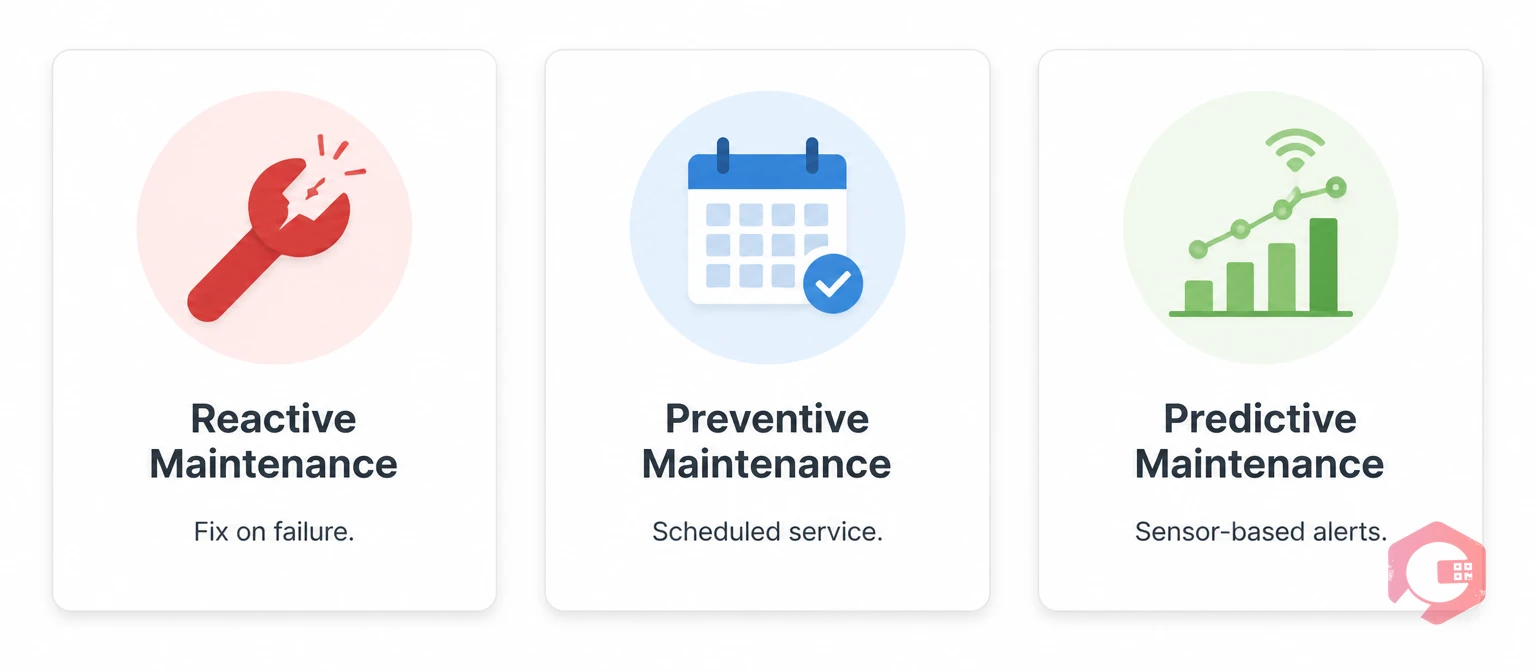
Traditional maintenance is repair work done only by trained technicians. It is not done by the people who run the machines. Most plants use three types of traditional maintenance.
Many plants blend all three into one plan. This blended approach is often called reliability-centered maintenance (RCM). RCM picks the right strategy for each asset. It does not force every machine into the same plan.
A good preventive maintenance software helps technicians stay on schedule without relying on spreadsheets or memory. It also logs every task, so managers can see what got done and when.
Across all three types, one thing never changes. A trained technician does the work, not the operator. That is what separates traditional maintenance from the operator-led model covered next.
Autonomous maintenance is basic equipment care done by the machine operator. It covers cleaning, inspecting, lubricating, and small fixes like tightening a loose bolt. It comes from Total Productive Maintenance (TPM), a system built around keeping equipment running at its best.
The idea is simple. Operators spend more hours with a machine than anyone else. They notice a strange noise, a small leak, or unusual heat first. Catching these signs early stops a small issue from turning into a full breakdown.
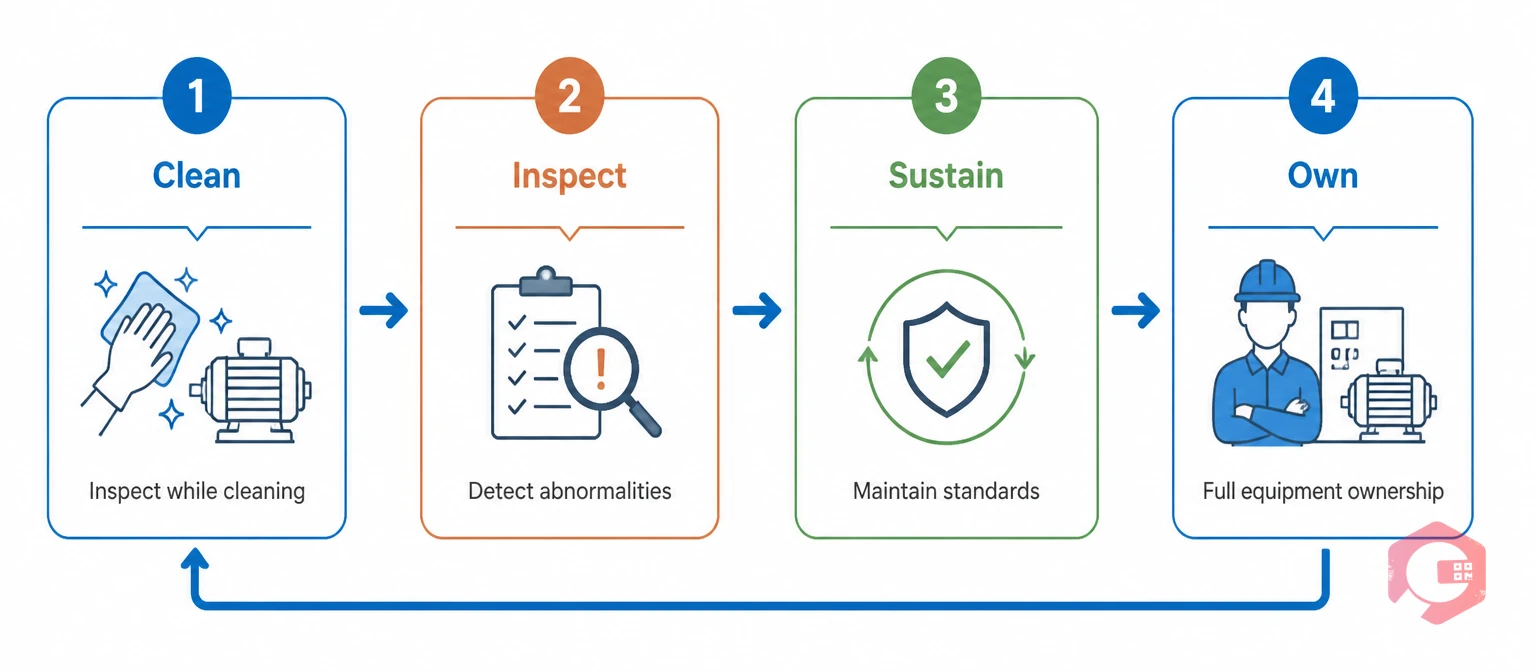
Cryotos maintains a full glossary entry on autonomous maintenance, along with a separate guide on the classic 7-step Jishu Hozen rollout for teams that want a deep, step-by-step plan. For a simpler starting model, use The Operator Ownership Framework:
Autonomous maintenance does not replace the maintenance department. Technicians still handle complex repairs, overhauls, and anything that needs special training. Operators simply catch the small things a busy technician cannot watch for every day.
The clearest way to compare autonomous maintenance vs traditional maintenance is to look at who does the work and what kind of failure each one catches.
| Dimension | Traditional Maintenance | Autonomous Maintenance |
|---|---|---|
| Who performs it | Maintenance technicians | Equipment operators |
| Task type | Repairs, overhauls, diagnostics | Cleaning, inspecting, lubricating |
| Skill level | Specialized, often certified | Basic, learned on the job |
| Frequency | Scheduled or as-needed | Daily or per shift |
| Main goal | Restore the equipment | Stop wear before it spreads |
| Failures it catches | Complex mechanical or electrical faults | Early wear, dirt, loose fittings |
Most plants with a mature reliability program treat these two as partners, not rivals. They use downtime tracking to see which layer is catching more failures. Then they adjust the balance as needed.
Want to see the cost of downtime at your plant? Try the free MTTR calculator to check your average repair time.
Picture a packaging line operator starting a morning shift. She wipes down the conveyor, checks the belt for fraying, and greases two marked points on the drive motor. This takes ten minutes and follows a simple checklist on her phone.
Halfway through the shift, she notices the motor casing is hotter than usual. That is outside her training, so she taps a QR code on the machine. This creates a work order and sends it straight to the on-shift technician.
The technician runs a quick vibration check, finds a bearing starting to wear, and swaps it before it fails. The line never stops. This is autonomous maintenance vs traditional maintenance working exactly as designed: the operator catches the early sign, and the technician handles the fix that needs real skill. Without that clear split, the same heat buildup often gets ignored until the motor seizes mid-shift, turning a ten-minute repair into hours of lost production.
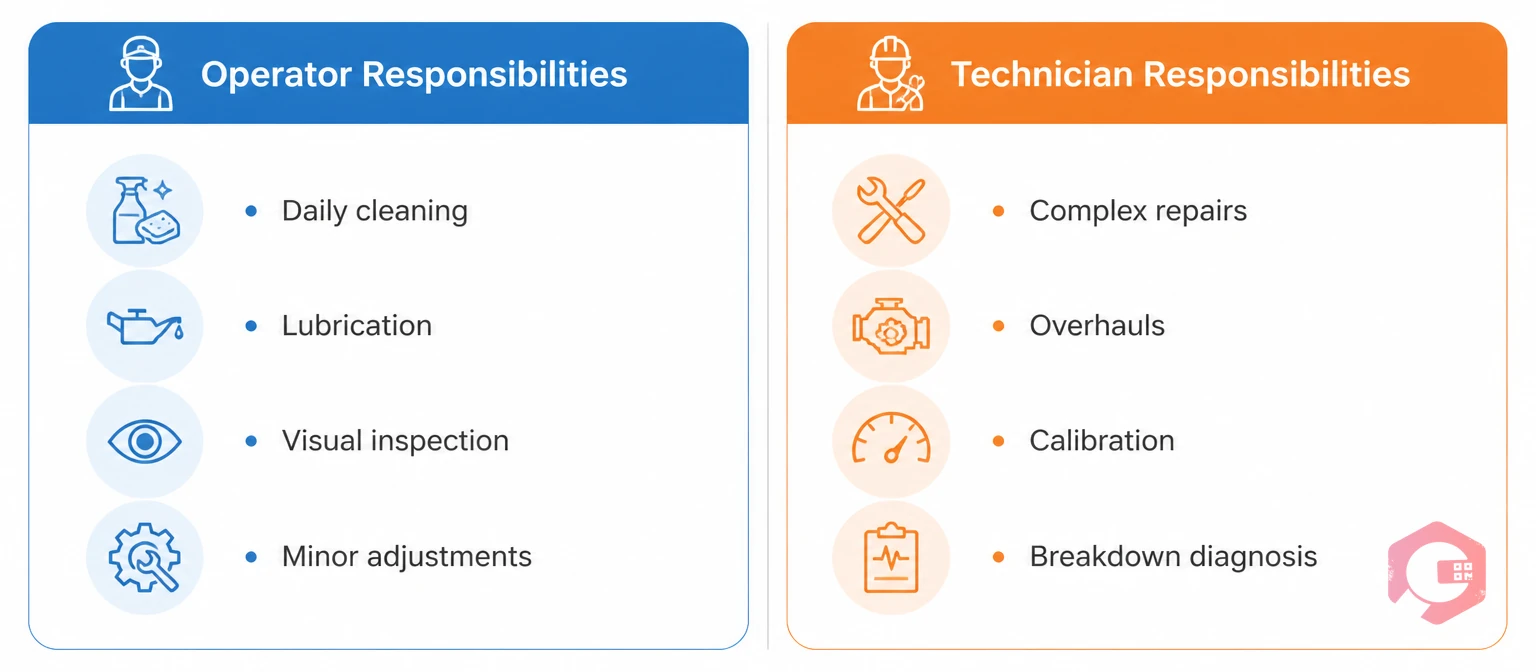
A clear task split is what actually makes autonomous maintenance vs traditional maintenance work on the floor, not just on paper. Here is a simple breakdown for each role.
Not every machine needs the same split. Four factors usually decide the right balance for each asset. Think through each one before you assign a task to an operator or a technician.
In practice, almost every plant needs both models running side by side. The real decision is not either-or. It is where to draw the line for each asset, and how often to revisit that line as operators gain more skill. A plant that reviews this split once a year usually finds a few tasks ready to move from technicians to trained operators.
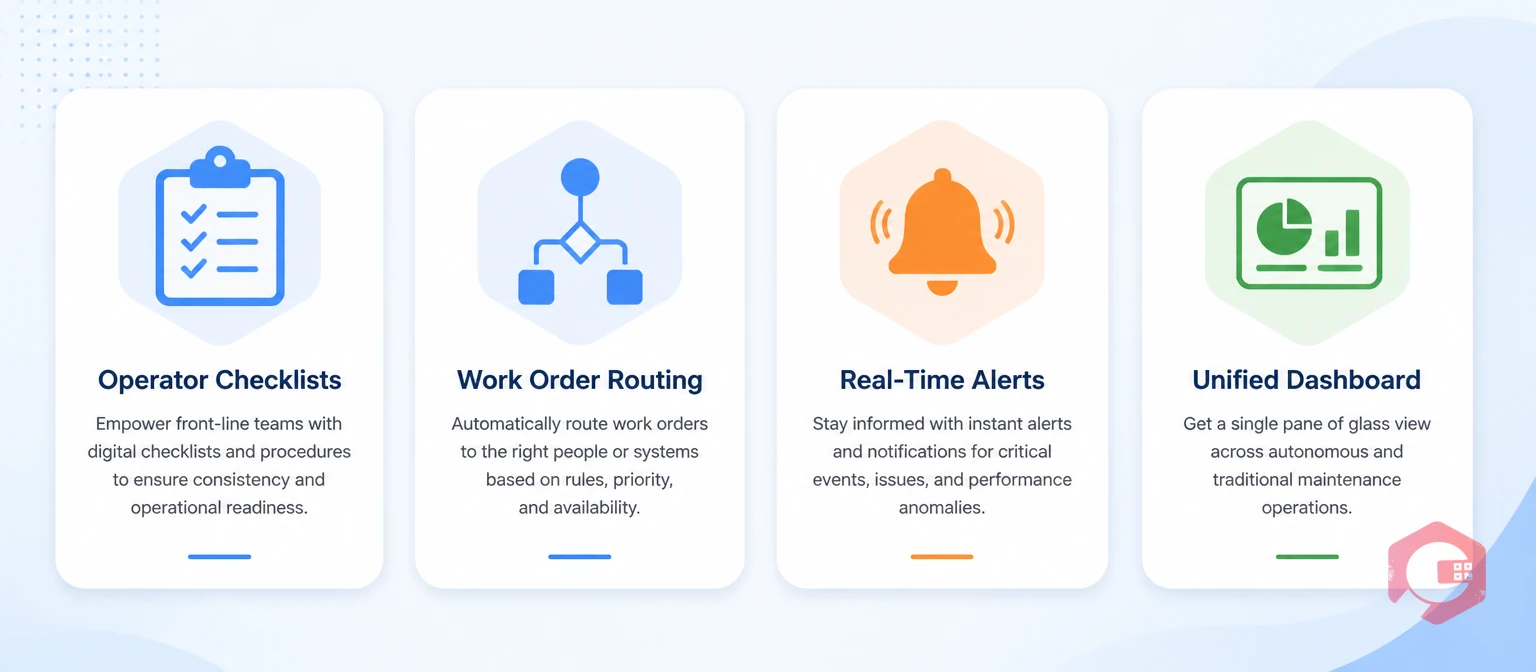
A CMMS turns this theory into a system that operators and technicians actually use every shift, not just a policy on paper.
Maintenance teams using Cryotos have reported up to 30% reduction in unplanned downtime and 25% faster repair turnaround. Much of that gain comes from catching small issues early, before they turn into a full breakdown. A plant manager can open one dashboard and see both sides of the work at a glance, instead of chasing paper logs from two different teams.
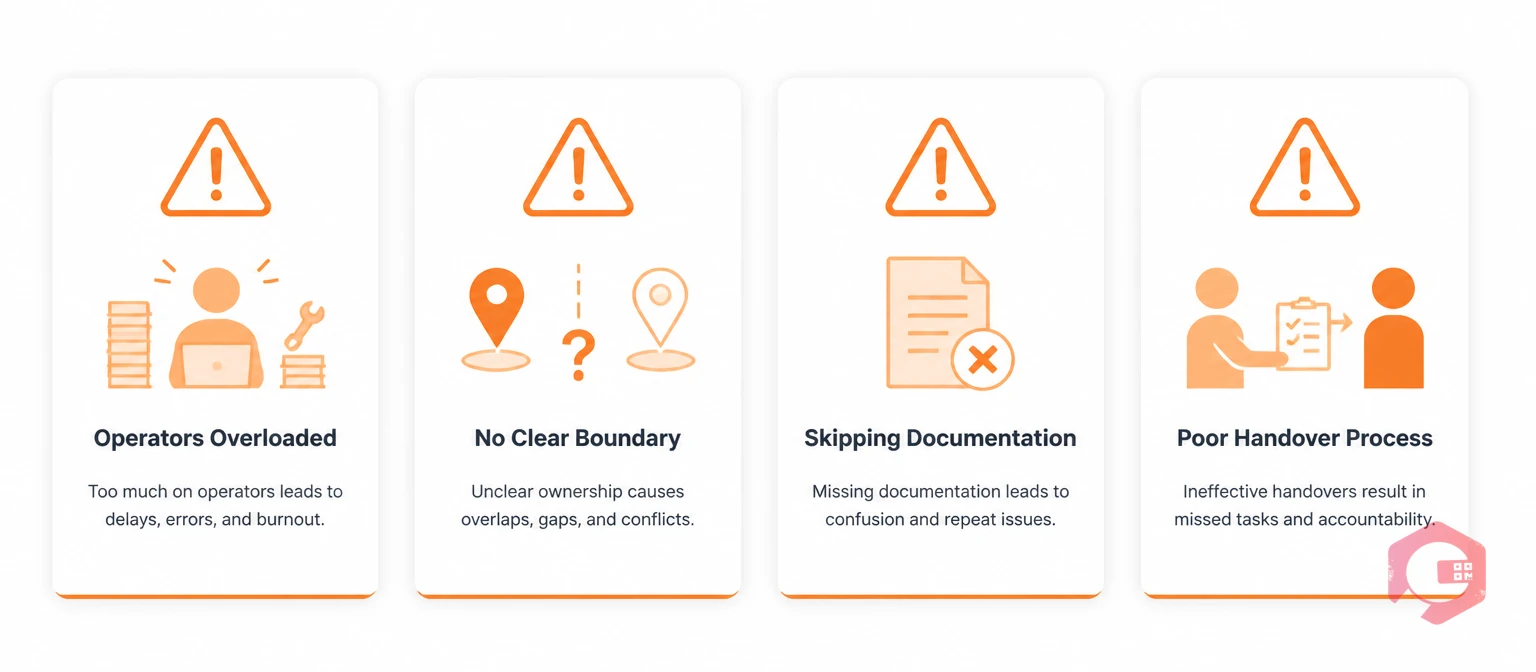
Most plants that struggle with this split run into the same few problems. Recognizing them early makes the fix much easier.
Operations that successfully split these tasks almost always pair operator training with a system that tracks both sides of the work. That combination is what keeps the model alive past the first few months. Plants that skip this step often see the whole program fade out within a year, with checklists quietly going unused.
No, they are related but different. Preventive maintenance is a schedule that technicians follow. Autonomous maintenance is about who does the work, the operator, not when it happens.
Usually not formal certification, but they do need clear training on cleaning, inspection, and lubrication steps for their specific equipment. Most plants track this training inside a CMMS.
Yes, but it is harder to keep going. Paper checklists tend to slip over time with no way to see completion rates. That visibility is exactly where digital tracking helps most.
Autonomous maintenance relies on an operator's eyes, ears, and a simple checklist. Predictive maintenance relies on sensor data that a technician or reliability engineer reads and interprets.
Common signs include frequent surprise breakdowns, operators who never touch a checklist, and a maintenance team that spends most of its time firefighting instead of doing planned work. If your technicians rarely see a small issue before it becomes a work order, that is usually a sign your operators need more training and a clearer way to report what they see.
Dividing maintenance work the right way starts with knowing exactly who should own each task on your floor. Schedule a free demo to see how Cryotos assigns, tracks, and escalates both autonomous and traditional maintenance work in one system.


Cryotos AI predicts failures, automates work orders, and simplifies maintenance—before problems slow you down.



