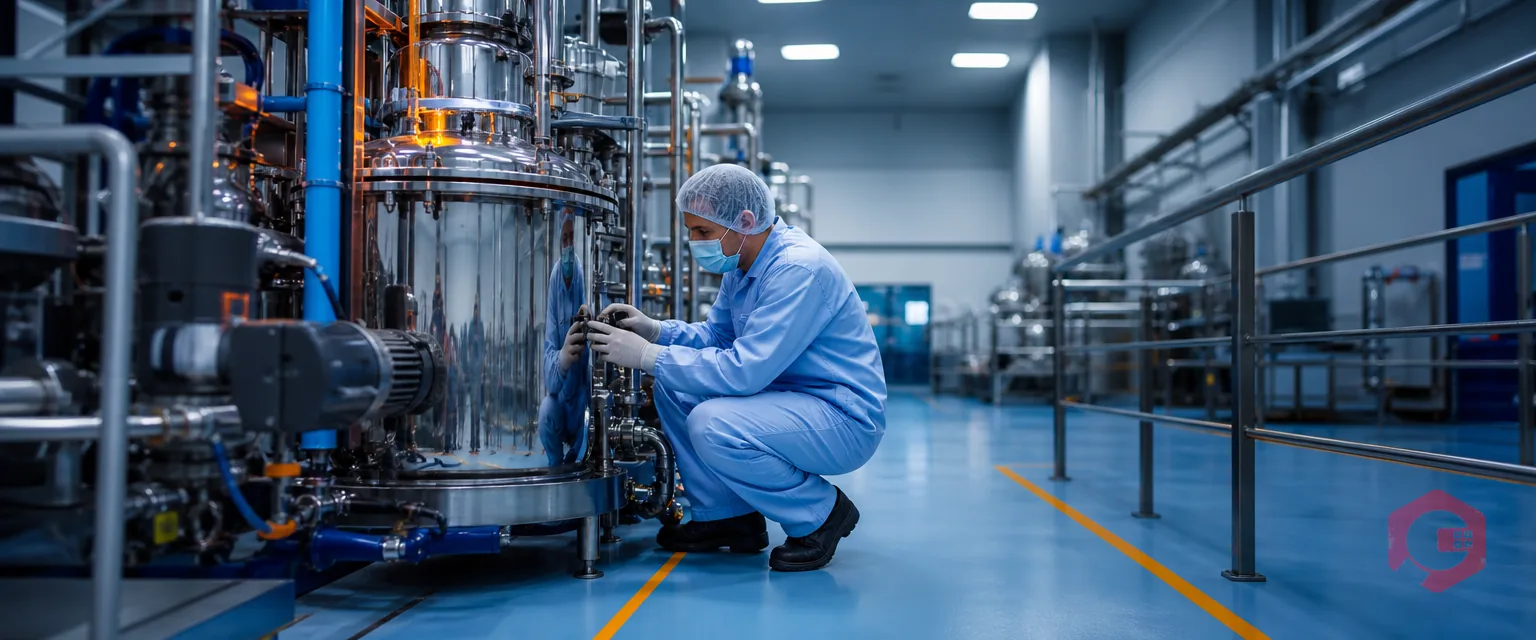
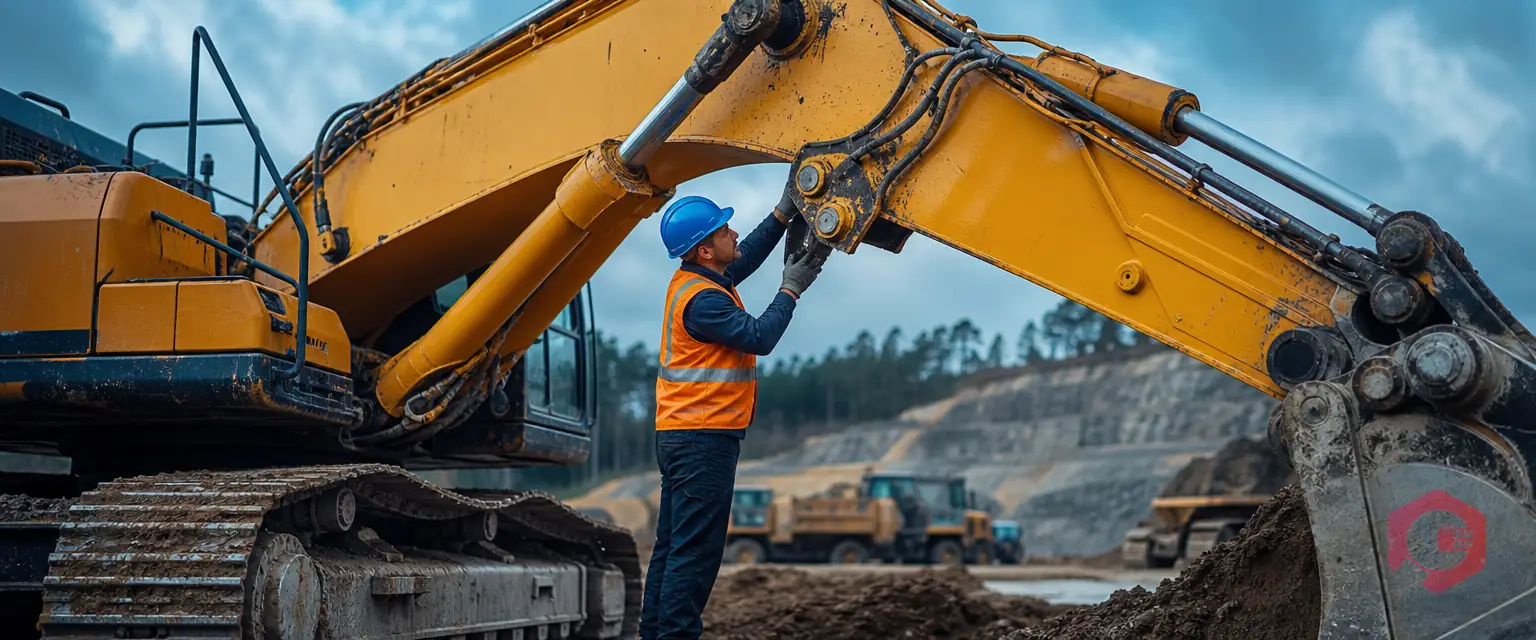
A boiler preventive maintenance checklist is a structured set of inspection and servicing tasks — organized by daily, weekly, monthly, and annual frequency — that keeps boilers operating safely, efficiently, and within regulatory compliance. According to the U.S. Department of Energy's Operations and Maintenance Best Practices Guide, a well-executed boiler PM program can reduce energy consumption by 10–20% and extend boiler lifespan by up to 15 years compared to reactive-only maintenance.
This guide gives you a complete boiler preventive maintenance checklist for every frequency, a practical scheduling framework, and a comparison of maintenance requirements across common boiler types — so your team never misses a task that matters.
What Is Boiler Preventive Maintenance?
Preventive maintenance for boilers is a proactive servicing approach where maintenance tasks are scheduled at defined intervals — daily, weekly, monthly, and annually — based on manufacturer recommendations, regulatory standards, and operational data. Rather than waiting for a boiler to fail, a PM program keeps safety systems functional, combustion efficiency high, and equipment within the parameters required by ASME, OSHA, and local regulatory bodies.
Industrial and commercial boilers are among the most safety-critical assets in any facility. A single failure can cause significant property damage, production downtime, or worse. The ASME Boiler and Pressure Vessel Code mandates specific inspection and maintenance intervals as a legal baseline — your PM program should meet or exceed those requirements.
Why Boiler Preventive Maintenance Matters
Neglecting boiler maintenance carries real, measurable costs. A boiler operating with scale buildup of just 1mm on heat transfer surfaces loses approximately 2% fuel efficiency — at scale, that translates to thousands of dollars in annual energy waste. The UK Health and Safety Executive reports that boiler failures are among the top three causes of serious industrial accidents in facilities that lack structured inspection programs.
Here is what structured boiler PM delivers:
Extended equipment life: Boilers with documented PM programs consistently reach 25–30 year lifespans; reactively maintained units average 12–15 years.
Fuel efficiency gains: Clean burners, sealed flue gases, and scaled-free heat exchangers keep boiler efficiency above 85%, versus 65–70% in neglected units.
Regulatory compliance: ASME Section I and Section VIII, OSHA 29 CFR 1910, and local authority requirements mandate documented inspection records. Gaps expose facilities to fines and liability.
Unplanned downtime prevention: Facilities using Cryotos CMMS for scheduled boiler PM report a 30% reduction in downtime and 25% faster repairs when corrective work is needed.
Safety incident reduction: Properly maintained pressure relief valves, low-water cutoffs, and flue gas systems prevent catastrophic failures.
Daily checks take 10–15 minutes and catch developing problems before they become failures. These tasks should be completed by the designated boiler operator at the start of each operating day.
Check boiler pressure gauge: Verify operating pressure is within the rated working pressure range. Pressure deviating more than 5% from normal setpoint requires investigation before continuing operation.
Inspect water level gauge glass: Confirm water level is visible and within the normal operating band. A low-water condition is one of the leading causes of boiler damage — most low-water cutoffs are a backup, not a substitute for daily visual confirmation.
Observe burner flame: The flame should be stable, properly shaped, and the correct color for the fuel type (blue for natural gas, orange-blue for oil). Erratic, sooty, or improperly shaped flames indicate combustion problems requiring immediate attention.
Check fuel pressure and supply: Confirm fuel supply pressure is within specification. Note any abnormal readings in the maintenance log.
Inspect for visible leaks: Walk around the boiler and check all visible pipe joints, valves, and connections for water, steam, or fuel leaks. Log any findings, even minor ones.
Verify safety controls are armed: Confirm low-water cutoff, high-limit pressure switch, and flame safeguard controls are enabled and show no fault conditions.
Log operating parameters: Record steam pressure, water temperature, fuel consumption (if metered), and any observations. This log becomes the baseline for spotting gradual degradation trends.
Weekly inspections go deeper than daily checks and test safety systems that must work on demand rather than continuously.
Test low-water cutoff: Manually drain the float chamber or actuate the probe-type low-water cutoff to confirm the boiler shuts down on low water. Log the test result. ASME CSD-1 requires this test every 30 days at minimum; weekly testing is best practice for high-criticality systems.
Blow down the mud drum and water column: Open the blowdown valve briefly to flush accumulated sediment and minerals from the mud drum. Follow with a water column blowdown to confirm the gauge glass is clear and not falsely indicating water level.
Inspect burner assembly: Check burner nozzles for buildup or damage. Remove and inspect oil burner tips weekly if the boiler is oil-fired. Clean any partially blocked ports.
Check combustion air damper operation: Verify the damper opens and closes freely and is not obstructed by debris. A stuck-open damper wastes heat; a stuck-closed damper creates combustion safety risks.
Inspect flue gas vent and stack: Visually check the stack for excessive smoke, soot, or unusual coloring. Any visible black smoke from a natural gas boiler indicates a serious combustion problem.
Test gas train solenoid valves: Confirm that manual valve closure and automatic solenoid valve operation function correctly. Safety shutoff valves that fail to close are a catastrophic risk.
Review operating log from prior week: Identify any abnormal readings or trends. A gradual pressure increase or slowly rising fuel consumption often signals a developing issue that daily observations miss when looked at in isolation.
Monthly PM involves more detailed system inspections and testing of components that operate in the background of normal boiler function.
Conduct a full boiler water analysis: Test water for hardness, alkalinity, dissolved oxygen, total dissolved solids (TDS), and pH. Ideal boiler water pH is 10.5–11.5. Out-of-range water chemistry accelerates scale, corrosion, and foam — all of which reduce efficiency and risk tube failure.
Test pressure relief valve (PRV): Manually lift the PRV test lever briefly to confirm the valve opens and reseats properly. A PRV that fails to open at set pressure is a direct explosion risk. Log the test date and condition.
Inspect heat exchanger surfaces (accessible areas): Using a flashlight, check for scale, corrosion, or hot spots in any accessible areas of the heat exchanger. Scale deposits above 1.5mm require descaling treatment.
Check electrical connections and controls: Inspect all control panel connections for loose terminals, corrosion, or heat damage. Vibration from burner operation loosens electrical connections over time.
Lubricate pumps, motors, and draft fans: Follow manufacturer specifications for lubrication type and quantity. Over-lubrication is as damaging as under-lubrication on sealed bearings — use the OEM-specified lubricant.
Inspect steam traps: Test steam traps for proper operation. Failed-open steam traps lose significant energy — a single failed large trap can waste $4,000–$8,000 annually in steam.
Calibrate controls and instruments: Verify that pressure gauges, thermometers, and control set points match calibrated references. Instruments drift over time; uncalibrated instruments lead to incorrect operational decisions.
Review and update maintenance log: Transfer any recurring findings into the CMMS maintenance history. Patterns that appear in the monthly log often predict the annual inspection findings.
Annual boiler maintenance requires a planned shutdown, internal access, and in most jurisdictions, inspection by a licensed boiler inspector or your insurer's authorized inspector. Plan the outage window carefully — annual inspections take 2–5 days for most industrial boilers.
Internal inspection of pressure vessel: With the boiler fully cooled, drained, and properly isolated under lockout/tagout (LOTO), perform a full internal inspection of tubes, drum, headers, and welds. Look for corrosion, pitting, cracking, and scale deposits.
External inspection of pressure parts: Inspect all external surfaces of pressure-containing components for external corrosion, damaged insulation, and weld deterioration.
Refractory and insulation inspection: Check the furnace refractory lining for cracks, spalling, or brick separation. Damaged refractory allows flame impingement on pressure parts and reduces combustion efficiency. Repair before returning to service.
Clean and inspect burner assembly completely: Disassemble the burner, clean all components, replace worn nozzles and electrodes, and inspect the igniter. Reassemble and verify operation against manufacturer startup procedure.
Test and certify all safety devices: Have a qualified technician test and certify the PRV, low-water cutoffs, high-limit switches, and flame safeguard system. Obtain written documentation of certification dates and results.
Chemical descale treatment: Apply chemical descaling treatment if scale deposits are present. Untreated scale above 3mm requires mechanical descaling. Follow treatment with a water flush and chemistry rebalance.
Inspect and service feedwater system: Check feedwater pump performance, inspect deaerator operation, and service the chemical dosing system. Proper feedwater treatment is the most cost-effective investment in boiler longevity.
Combustion analysis and tune-up: Use a flue gas analyzer to measure O₂, CO₂, CO, and stack temperature. Adjust air-to-fuel ratio to achieve optimal combustion efficiency. A properly tuned boiler burns 5–8% less fuel than a drifted one.
Update all maintenance records and obtain inspection certificate: Ensure all annual inspection findings, repairs made, and certification status are recorded in the CMMS and physical log book. Regulatory compliance requires these records to be available on demand.
Boiler Preventive Maintenance Schedule: How to Build One
A boiler PM schedule is a calendar or trigger-based plan that assigns each checklist item to a recurring date or interval, designates the responsible technician, and integrates with your broader maintenance planning cycle. Here is how to build one that actually gets executed:
Start with manufacturer PM requirements: The OEM manual specifies mandatory intervals. These are your baseline — your schedule must meet or exceed them. Do not assume defaults from another boiler apply to yours.
Layer in regulatory requirements: ASME CSD-1 (Controls and Safety Devices for Automatically Fired Boilers) specifies safety device testing frequencies. Local jurisdictions may add requirements. Map every regulatory PM obligation to a specific schedule item.
Assign based on operating hours, not just calendar time: If your boiler runs seasonally or at variable loads, use meter-based scheduling (operating hours) for burner, heat exchanger, and combustion system tasks. A boiler that runs 6 months per year needs different intervals than one running 24/7/365.
Build in buffer lead time for annual outages: Schedule annual maintenance 2–4 weeks before the planned outage window. Parts may need ordering; the licensed inspector needs to be booked; the outage must be coordinated with operations.
Use a CMMS to automate PM triggering: Manually tracking 30+ recurring maintenance tasks across multiple boilers in a spreadsheet is how tasks get missed. A preventive maintenance software system auto-generates work orders at the right interval, notifies the assigned technician, and tracks completion — without any manual calendar management.
Types of Boilers and Their Maintenance Differences
Maintenance intervals and priority tasks vary significantly by boiler type. The comparison below applies to the four most common industrial and commercial boiler configurations.
Heating element condition, water chemistry, electrical insulation
Element failure from scale or low-flow, electrical faults
Annual element inspection; monthly water analysis
Common Boiler Failures Preventive Maintenance Prevents
Understanding which failures PM directly prevents helps maintenance teams prioritize tasks when time and resources are limited. These five failure modes are the most expensive and most preventable.
Boiler tube failure: Caused by scale buildup (reducing heat transfer and causing local overheating), corrosion from poor water chemistry, or mechanical fatigue. Monthly water analysis and annual tube inspection prevent the majority of tube failures. A single tube replacement in an industrial water-tube boiler costs $15,000–$50,000 in parts and labor.
Low-water damage: When water drops below the minimum level, exposed heating surfaces overheat and warp or rupture. Daily water level checks and weekly low-water cutoff tests are the two most critical tasks in any boiler PM program. Low-water damage often requires complete boiler replacement.
Safety valve failure: PRVs that are never tested stick in the closed position over time. A PRV that fails to open at overpressure is a catastrophic explosion risk. Monthly manual testing and annual certification prevent this failure mode.
Combustion inefficiency and carbon deposits: Dirty burners, mis-adjusted air-fuel ratios, and fouled nozzles build up carbon deposits that impair heat transfer and increase emissions. Weekly burner inspection and annual combustion analysis typically recover 5–10% fuel efficiency.
Steam trap failure: Failed-open traps continuously discharge steam, wasting energy and reducing system pressure. Failed-closed traps cause water hammer and damage downstream equipment. Monthly steam trap testing is one of the highest-ROI PM tasks in steam distribution systems.
How Cryotos CMMS Automates Your Boiler PM Schedule
Managing boiler PM manually — spreadsheets, calendar reminders, paper checklists — works for a single boiler and a single technician. It breaks down the moment you have multiple boilers, multiple technicians, or compliance documentation requirements that exceed what a shared folder can handle.
Cryotos preventive maintenance software automates every layer of your boiler PM program. You configure the checklist items once — daily, weekly, monthly, annual — set the triggers (calendar-based or meter-based on operating hours), and assign default technicians. The system does the rest: generating work orders automatically, sending notifications via mobile, email, or WhatsApp, and tracking completion with digital signatures.
When it comes time to demonstrate regulatory compliance, your entire inspection history is queryable in the report builder — every completed task, every technician sign-off, every deviation noted. What takes hours with paper records takes minutes in Cryotos. The maintenance checklists feature lets you import existing paper-based boiler checklists directly via Excel, converting your current process to digital without rebuilding from scratch. Maintenance teams using Cryotos report a 30% reduction in unplanned downtime and 25% faster repairs — results that come from executing the right maintenance at the right time, consistently.
Frequently Asked Questions
How often should a boiler be serviced?
A boiler should be serviced at four frequencies: daily operator checks (10–15 minutes), weekly safety system tests including low-water cutoff and blowdown, monthly water analysis and PRV testing, and annual internal inspection by a licensed boiler inspector. Facilities following this schedule meet ASME CSD-1 requirements and achieve the best balance of safety, efficiency, and equipment lifespan.
What is included in a boiler preventive maintenance checklist?
A complete boiler PM checklist covers pressure and water level verification, burner flame and combustion inspection, safety device testing (PRV, low-water cutoff, flame safeguard), water chemistry analysis, heat exchanger and tube inspection, refractory inspection, blowdown procedures, steam trap testing, and combustion analysis and tuning. The specific tasks and frequencies depend on boiler type, fuel type, and regulatory jurisdiction.
What happens if boiler maintenance is neglected?
Neglected boiler maintenance leads to four predictable outcomes: fuel efficiency drops as scale accumulates (1mm of scale reduces efficiency by roughly 2%), safety devices fail silently increasing explosion and overpressure risk, tube and heat exchanger corrosion accelerates repair costs, and regulatory inspection failures can result in mandatory shutdown orders. The cost of a major boiler failure — including tube replacement, production downtime, and potential regulatory penalties — consistently exceeds the cost of 5–10 years of proper PM.
What is a boiler blowdown and why is it part of the PM schedule?
Boiler blowdown is the controlled release of water from the boiler to remove accumulated sediment, minerals, and concentrated total dissolved solids (TDS). Surface blowdown removes floating foam and oils; bottom blowdown removes settled sludge from the mud drum. Regular blowdown — typically daily or weekly depending on water quality — prevents scale buildup, maintains water chemistry within specification, and extends boiler life. A properly programmed automatic blowdown controller can reduce manual blowdown labor while maintaining tighter TDS control.
Do I need a CMMS for boiler preventive maintenance?
You need a CMMS if you operate more than one boiler, have multiple technicians sharing maintenance responsibilities, are subject to regulatory inspection requirements, or have struggled with missed PM tasks in the past. A CMMS ensures no task falls through the cracks between shifts, generates the compliance documentation inspectors require, and surfaces trends in operational data that a paper log cannot. Cryotos preventive maintenance software is used by industrial and commercial facilities to manage complete boiler PM programs at single and multi-site scale.
Boiler maintenance done consistently — not perfectly, but consistently — is the single most reliable way to avoid the catastrophic failures that shut down operations and create serious safety risk. Cryotos CMMS gives your maintenance team the tools to execute the right boiler PM tasks at the right time, document every completed inspection for compliance, and track the trends that predict problems before they become emergencies. Visit cryotos.com to see how Cryotos can automate your boiler PM schedule and put your entire preventive maintenance program on a single, mobile-first platform.