
Reactive vs planned maintenance comes down to timing: reactive maintenance fixes equipment after it fails, while planned maintenance schedules work before failure happens. In wineries and food and beverage plants, that timing decides whether you lose an hour of production or an entire batch of product.
Most food plants still run a mix of both. The question is not which one to pick, but how much of each your operation can afford. Wineries make the lesson sharper, because a press that fails during harvest cannot wait until next week for a repair.
Key Takeaways
Reactive maintenance is the practice of repairing equipment only after it breaks down or stops performing. It needs no upfront planning, but every job arrives as an interruption. Many teams know it as run-to-failure or corrective maintenance.
Planned maintenance is scheduled work performed at set intervals or conditions before a failure occurs. It includes preventive tasks, inspections, lubrication, and part swaps, all booked into known production windows.
| Factor | Reactive Maintenance | Planned Maintenance |
|---|---|---|
| When work happens | After a failure | Before a failure, on a set schedule |
| Cost per job | High: overtime, rush parts, secondary damage | Lower and predictable |
| Production impact | Unplanned stops mid-run or mid-harvest | Work fits into changeovers and planned downtime |
| Food safety risk | High: product holds, contamination, rework | Low: sanitation and hygiene steps are built in |
| Spare parts | Emergency buying and expedited freight | Parts staged ahead of the job |
| Records and audits | Patchy notes, hard to prove compliance | Full history for each asset |
| Best suited for | Cheap, redundant, non-critical assets | Critical, food-contact, and seasonal assets |
Industry frameworks back this view. The Society for Maintenance and Reliability Professionals (SMRP) tracks planned work as a core benchmark, and reliability-centered maintenance (RCM) asks teams to choose a strategy per asset based on failure impact. The takeaway is simple: reactive vs planned maintenance is an asset-by-asset decision, not a plant-wide rule.

Reactive maintenance costs more in food operations because the repair bill is only a small part of the loss. Product, labor, sanitation, and compliance costs pile on top of every breakdown.
A single failed gearbox on a filler brings overtime labor, rush-shipped parts, and often damage to parts connected to it. Maintenance literature puts reactive work at three to five times the cost of the same task done on schedule.
In any reactive vs planned maintenance cost review, the numbers are stark. Take a mid-size plant that loses one shift a month to breakdowns at $20,000 per shift. That adds up to $240,000 a year in lost production alone, before the repair invoices arrive. Every avoided breakdown in a food plant saves far more than the repair cost.
Want to see your own number? Use the unplanned downtime calculator to estimate what breakdowns cost your operation each year.

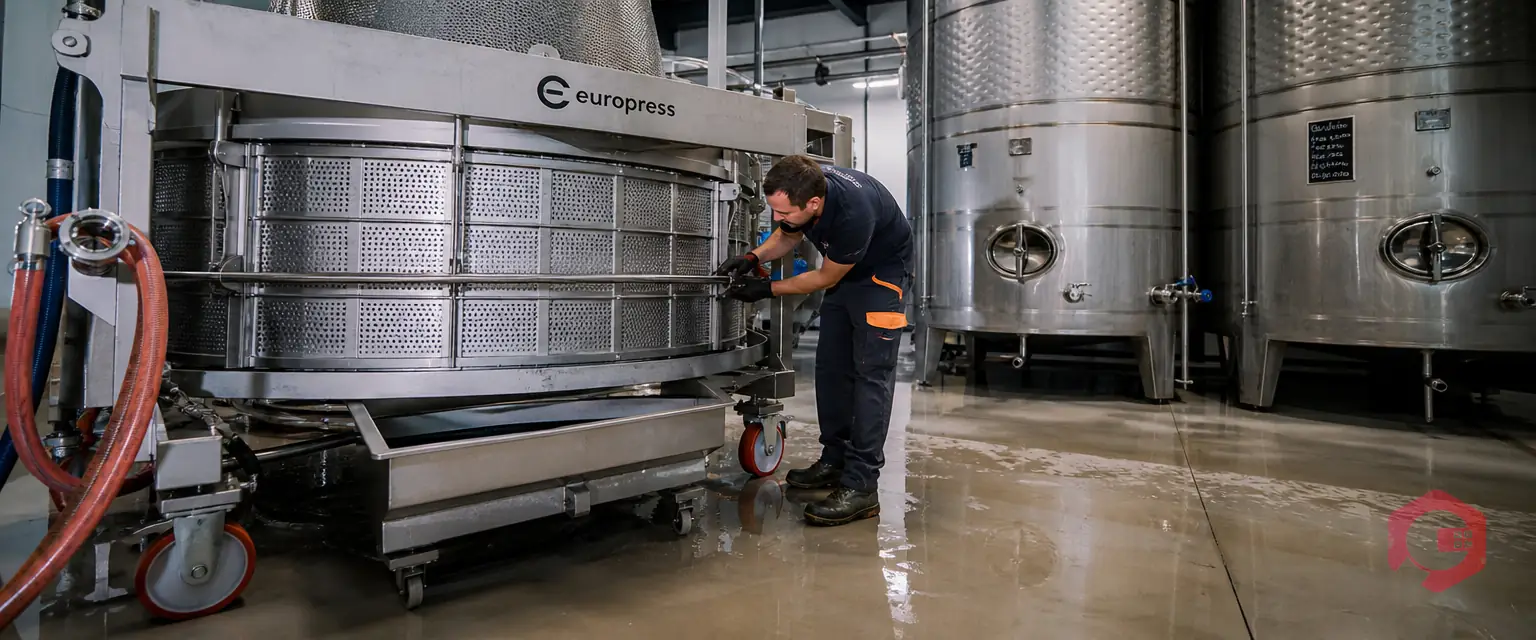
Wineries show the reactive vs planned maintenance trade-off more clearly than almost any other food business. Most of the year's production happens in a short harvest window, often just six to ten weeks.
During winemaking, fruit arrives on a schedule set by weather and ripeness, not by the maintenance team. If a destemmer or press stops, grapes sit in bins and quality drops by the hour.
Wineries that get through harvest without major breakdowns treat the off-season as their planned maintenance season. They tear down, inspect, and rebuild critical equipment in spring and summer, then run short daily checks during crush.
The reactive vs planned maintenance lesson for any food business is clear: if your peak season is predictable, your maintenance should be too. Plan the big work for the quiet months and keep only minor fixes for the rush.
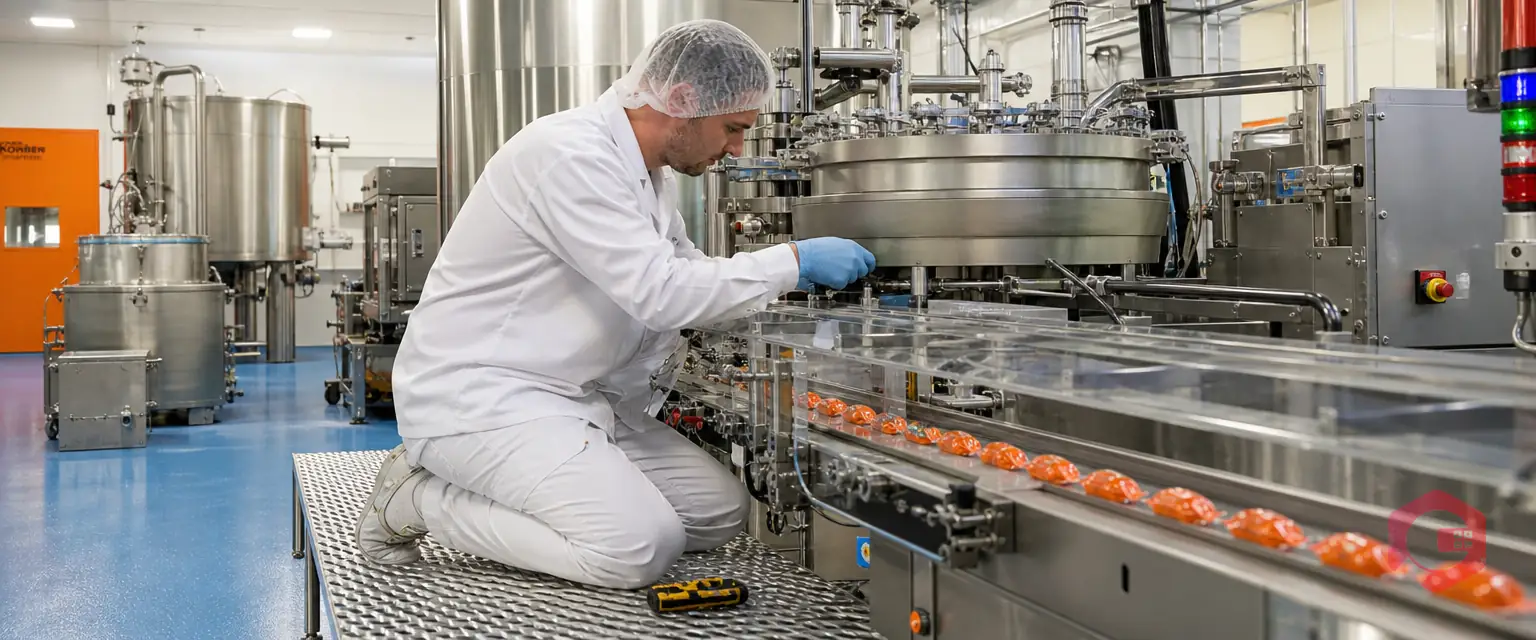
Food and beverage plants teach a different lesson: when lines run around the clock, every minute of downtime needs a plan. Breweries, dairies, bakeries, and bottlers often run 20 or more hours a day.
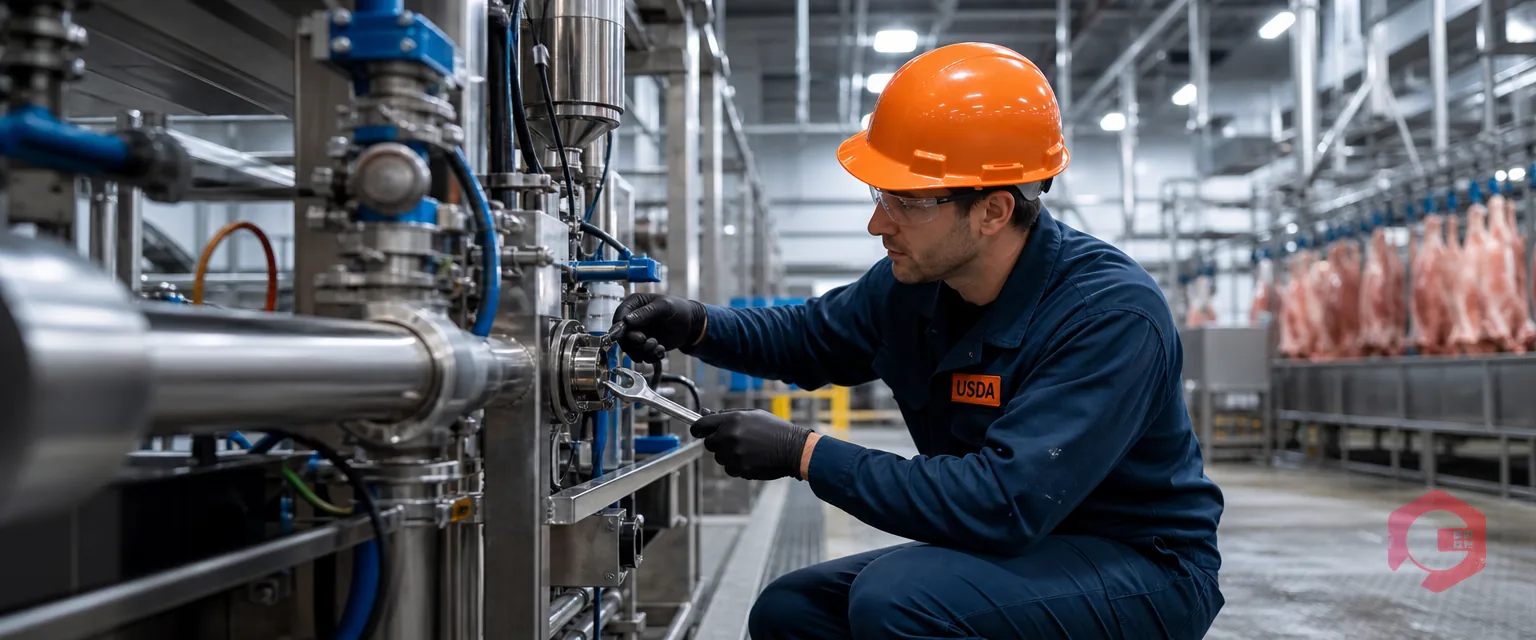
Most maintenance teams in F&B plants schedule inspections and part swaps during product changeovers and cleaning cycles. This approach turns time the line is already stopped into planned downtime for maintenance, instead of adding new stops.
A common mistake in reactive vs planned maintenance planning is treating hygiene work and maintenance work as separate plans. The plants with the fewest breakdowns combine them into one schedule.
Reactive maintenance still has a place when the asset is cheap, easy to replace, and has no effect on food safety or output. For everything else, planned maintenance wins.
| Asset Example | Criticality | Recommended Approach | Why |
|---|---|---|---|
| Grape press or filler | High | Planned + condition checks | Failure stops production and puts product at risk |
| Glycol chiller | High | Planned + temperature monitoring | Loss of cooling can spoil whole tanks |
| CIP pumps and valves | High | Planned | Poor cleaning creates food safety risk |
| Conveyor motors with spares on hand | Medium | Planned inspections, fast swap on failure | Quick to replace but still stops the line |
| Office lighting and break room appliances | Low | Reactive | Low cost and no production impact |
| Hand tools and hoses | Low | Reactive with stock on hand | Cheap and easy to replace |
Rank each asset by what happens when it fails, then choose. This one step settles most reactive vs planned maintenance debates inside a plant.
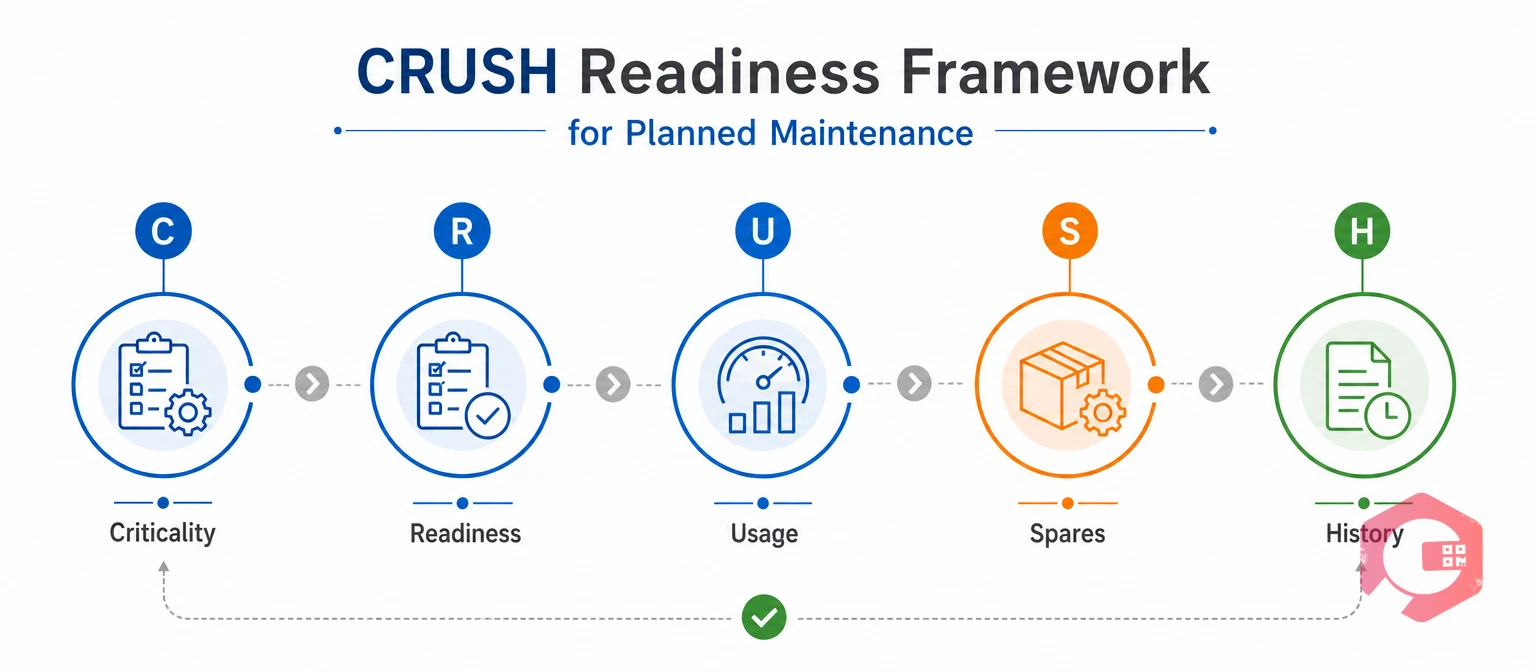
The CRUSH Readiness Framework is a five-step method for moving seasonal and continuous food operations from reactive to planned work. It borrows its name from the winery crush season, but it works for any plant with peak periods.
The CRUSH Readiness Framework:
Teams that apply this framework usually see the biggest gains in the first season, as repeat failures on critical assets drop.
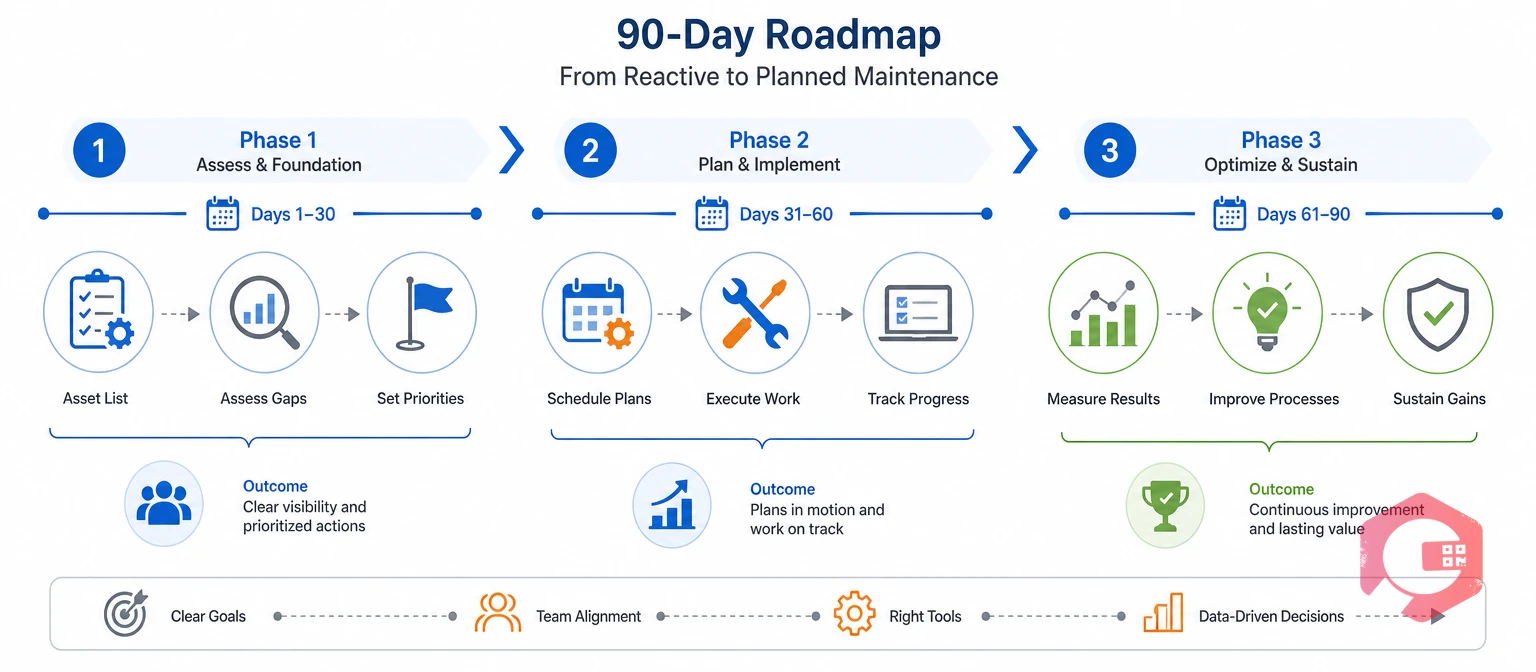
You can move a food operation from mostly reactive to mostly planned in about 90 days by starting small and measuring progress. Operations that successfully make this shift focus on the critical 20% of assets first.
List every asset, rank criticality, and log recent failures. A Computerized Maintenance Management System gives you one place to store asset records, manuals, and history.
Create preventive tasks for your top-ranked assets and link them to production windows. Preventive maintenance software can generate work orders automatically by date, run hours, or meter readings.
Planned maintenance percentage (PMP) is the share of total maintenance hours spent on scheduled work. Track it weekly, along with repeat failures and mean time to repair.
Maintenance teams using Cryotos have reported up to 30% reduction in unplanned downtime and 25% faster repair turnaround. The results come from putting schedules, work orders, and asset history in one system that technicians can use on the floor.
The right system for food operations makes planned work easy to schedule, easy to complete, and easy to prove during an audit. Look for tools built for fast-moving plants and seasonal peaks.
With maintenance management software that covers these basics, wineries and food plants can shift the balance toward planned work and cut unplanned maintenance season after season.
Reactive maintenance happens after equipment fails, while planned maintenance is scheduled before failure. Planned work costs less, fits into production windows, and lowers food safety risk. Reactive work is only a sensible choice for cheap, non-critical assets.
Yes, for assets that are low-cost, easy to replace, and have no effect on product or safety. Examples include office lighting, hand tools, and hoses kept in stock. Critical and food-contact equipment should always be on a planned schedule.
Start four to eight weeks before crush by inspecting and servicing presses, destemmers, pumps, and chillers. Replace worn seals, bearings, and membranes, and stock spares for every critical machine. Then run short daily checks throughout the harvest.
Most reliability benchmarks suggest keeping 80% or more of maintenance hours planned. World-class plants often reach 85% to 90%. If your planned share is below 60%, focus first on your most critical assets.
A CMMS schedules preventive tasks, sends work orders to technicians, and records every job for audits. It also tracks downtime and planned maintenance percentage, so you can see the shift from reactive to planned work over time.
Every harvest and every production run is easier when maintenance is planned instead of rushed. Schedule a free demo to see how Cryotos helps wineries and food and beverage plants replace breakdown firefighting with planned, audit-ready maintenance.
Cryotos AI predicts failures, automates work orders, and simplifies maintenance—before problems slow you down.



