
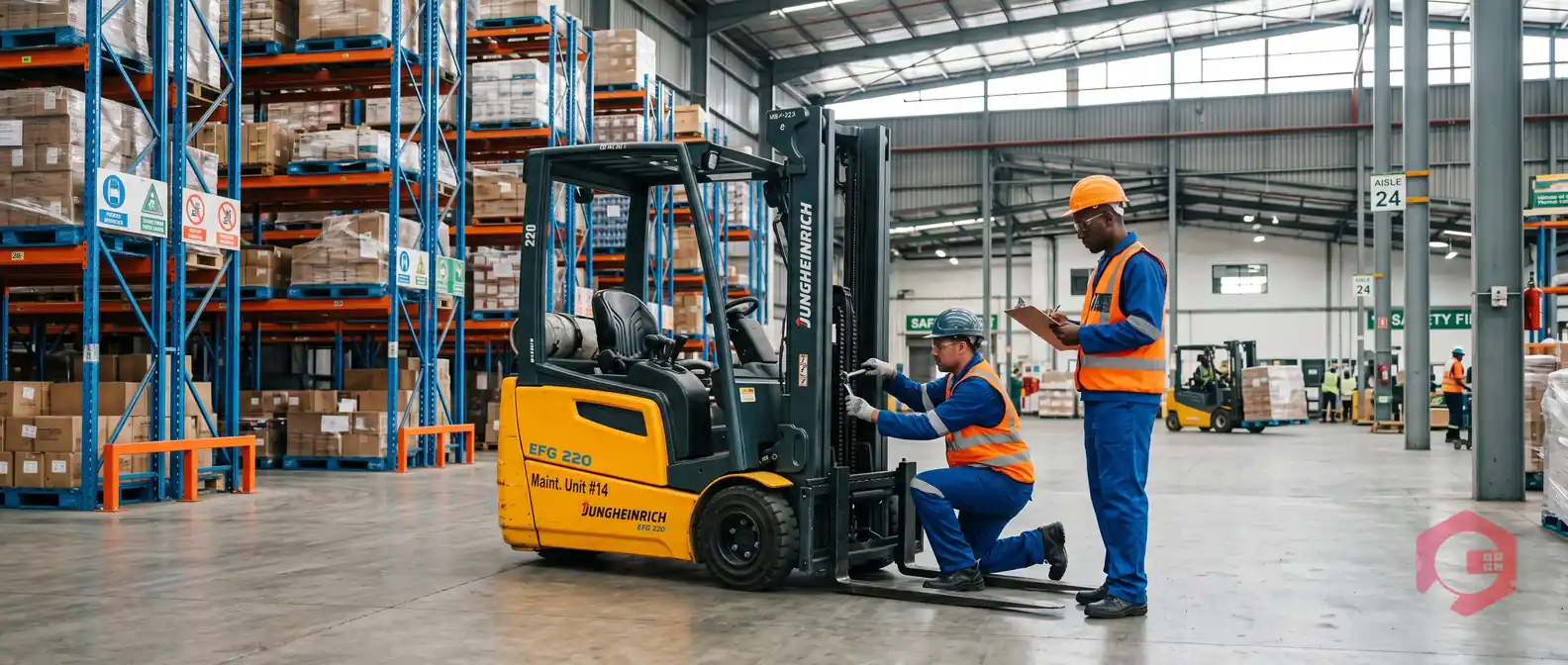
Warehouse asset management software is a digital system that helps maintenance teams track, maintain, and optimize physical assets inside a warehouse - from forklifts and conveyor belts to HVAC units and dock levelers. Unlike a general Warehouse Management System (WMS) focused on inventory flow, warehouse asset management software focuses on the physical health of your equipment.
According to McKinsey, unplanned equipment downtime is one of the top three cost drivers in warehouse operations - yet most warehouses still track maintenance on spreadsheets. This guide covers the core features to look for, the real benefits, and the KPIs your software should surface.
Warehouse asset management software - often built on a CMMS (Computerized Maintenance Management System) platform - gives maintenance teams a centralized hub to log assets, schedule preventive maintenance, issue work orders, track spare parts, and measure equipment performance over time. The goal is simple: keep warehouse equipment running longer, with fewer unplanned failures.
A WMS tracks where your inventory is and how orders move through your facility. Warehouse asset management software tracks the condition and maintenance history of the physical assets that make those operations possible. Most warehouses need both - they complement each other rather than compete. A conveyor system managed in a WMS shows up as a fulfillment dependency; in a CMMS, it shows up as an asset with a PM schedule, failure history, and spare parts list.
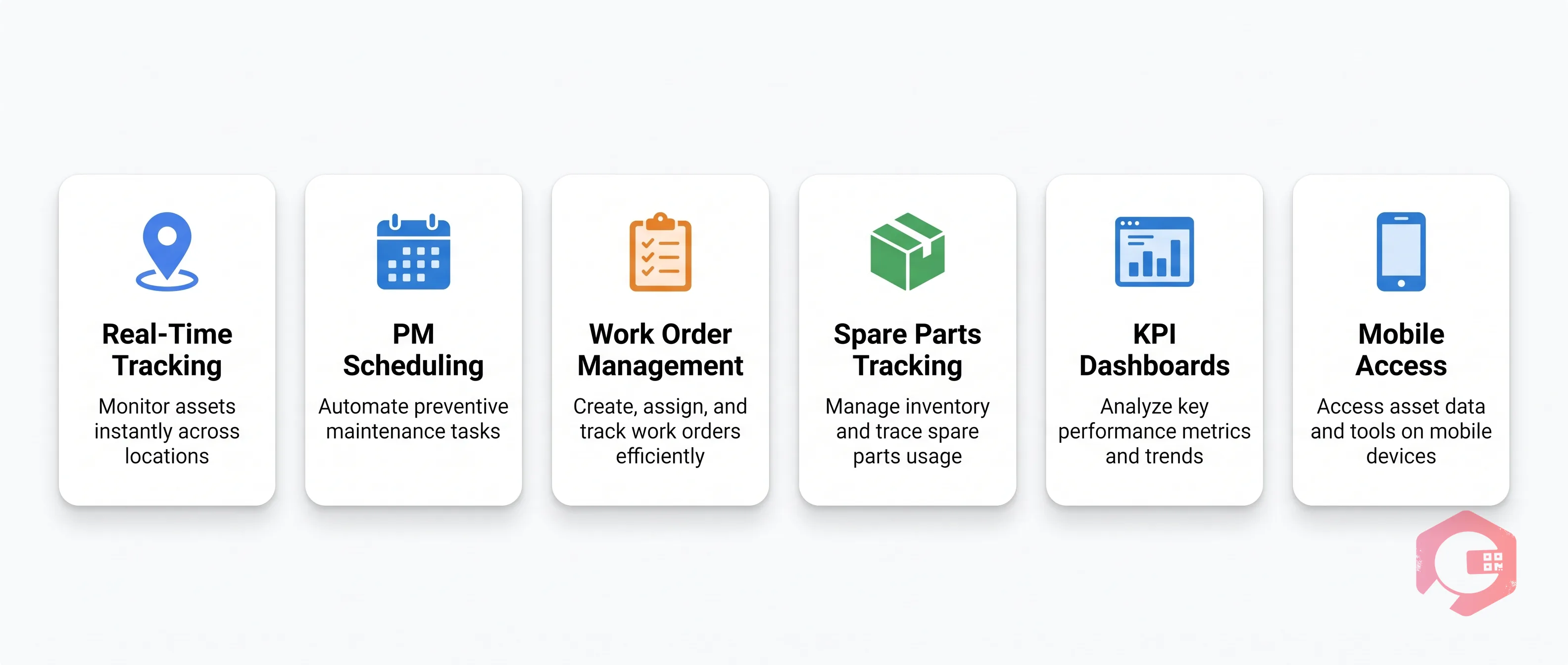
These six features separate software that genuinely improves operations from a system that just digitizes your paperwork.
A solid platform supports GPS, RFID, NFC, and QR code scanning so you always know where assets are and who last touched them - especially important for high-value mobile equipment like forklifts and order pickers. Look for asset tracking software that lets technicians scan a QR code to instantly pull up specs, warranty dates, and maintenance history.
Time-based and usage-based PM schedules are both essential in a warehouse. A forklift might need service every 250 operating hours, while a dock door needs quarterly lubrication regardless of use. Good software handles both, sends automated alerts before due dates, and lets you drag-and-drop to reschedule around shift constraints.
Every step from failure report to job close should be logged digitally. Work order management lets you assign tasks, set priorities, attach photos and safety checklists, capture parts used, and sign off from a mobile device - creating the audit trail you need for compliance and repeat-failure analysis.
Running out of a critical spare part during a breakdown is a preventable problem. Warehouse asset management software should track spare parts inventory in real time, set minimum stock thresholds, and automatically flag when parts need reordering. The best systems map parts directly to the assets that use them, so you know exactly what's on hand for each machine.
If you can't measure it, you can't improve it. Look for dashboards that track MTTR (Mean Time to Repair), MTBF (Mean Time Between Failures), total downtime by asset or department, and PM compliance rates. Downtime tracking software that drills from the org level down to a single asset lets managers pinpoint exactly where time and money are being lost.
Warehouse technicians don't work at a desk. Your asset management software needs a mobile app that works in poor-connectivity zones - and syncs automatically when connection returns. Offline capability ensures a tech can complete a work order in a cold storage room or on a loading dock without losing any data.
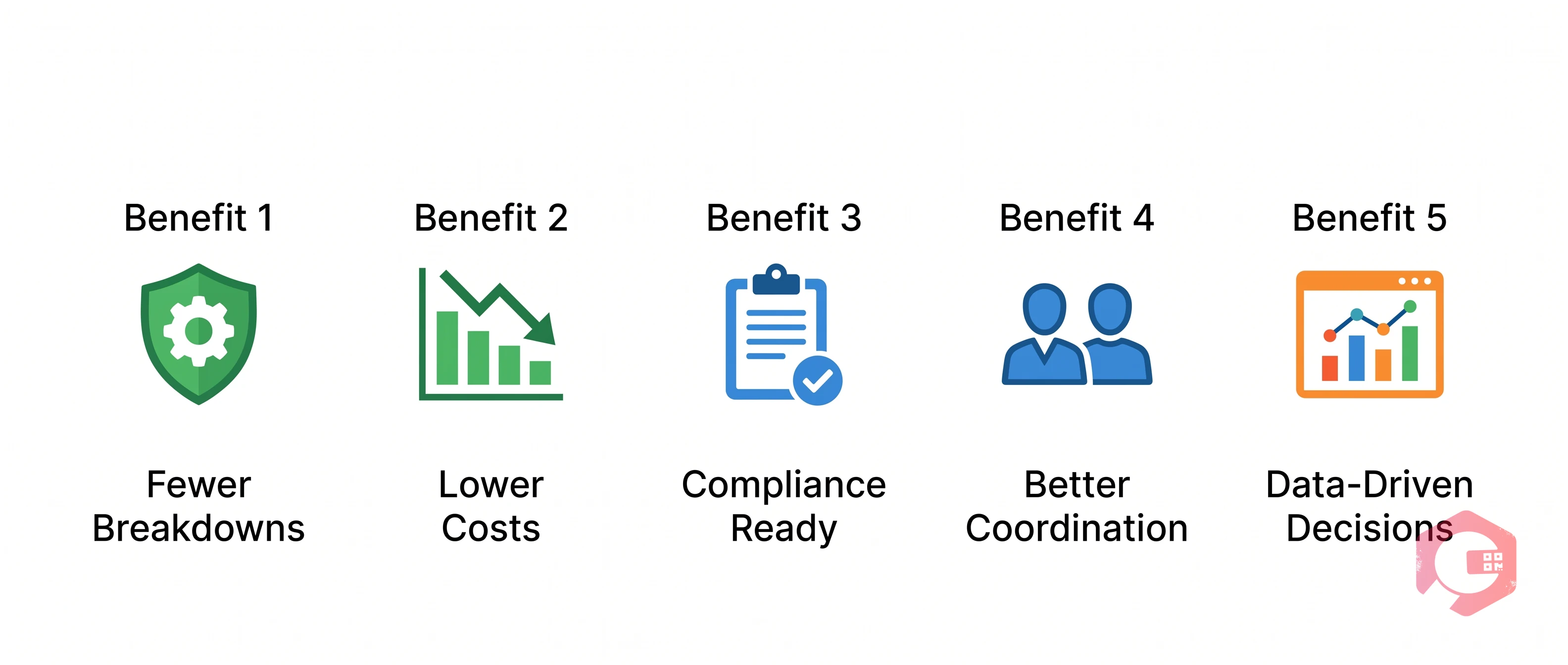
Shifting from reactive to preventive maintenance typically cuts unplanned breakdowns by 25-30% in the first year, according to Reliable Plant. When software automatically schedules inspections and sends reminders, far fewer things fall through the cracks.
Planned maintenance costs 3-5x less than emergency repairs. With preventive maintenance software, warehouses track lifetime maintenance costs per asset, identify chronic problem equipment, and make data-backed repair vs. replacement decisions.
OSHA requires documented inspection and maintenance records for forklifts, racking, and other warehouse equipment. Digital records in asset management software are searchable, timestamped, and far easier to produce at audit than a binder of paper forms.
When maintenance and operations share the same platform, supervisors can see which equipment is under repair before assigning it to a shift, and technicians communicate through work order notes rather than radio calls - cutting the confusion that slows down repairs.
With failure history, usage patterns, and cost records in one system, managers stop guessing. They can spot that a specific dock leveler model fails far more often than alternatives, or that certain shift patterns correlate with higher repeat repairs - insights that drive smarter purchasing and scheduling decisions.
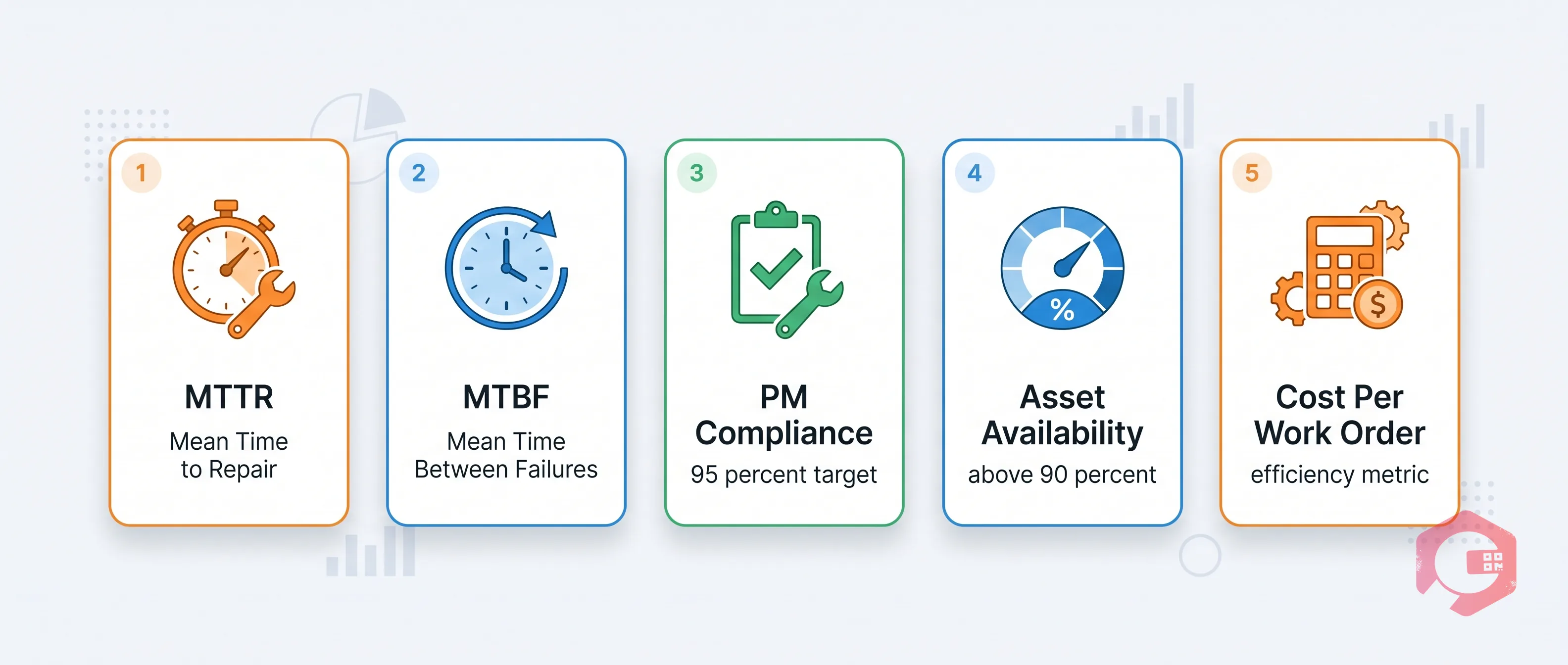
Your warehouse asset management platform should surface these metrics automatically:
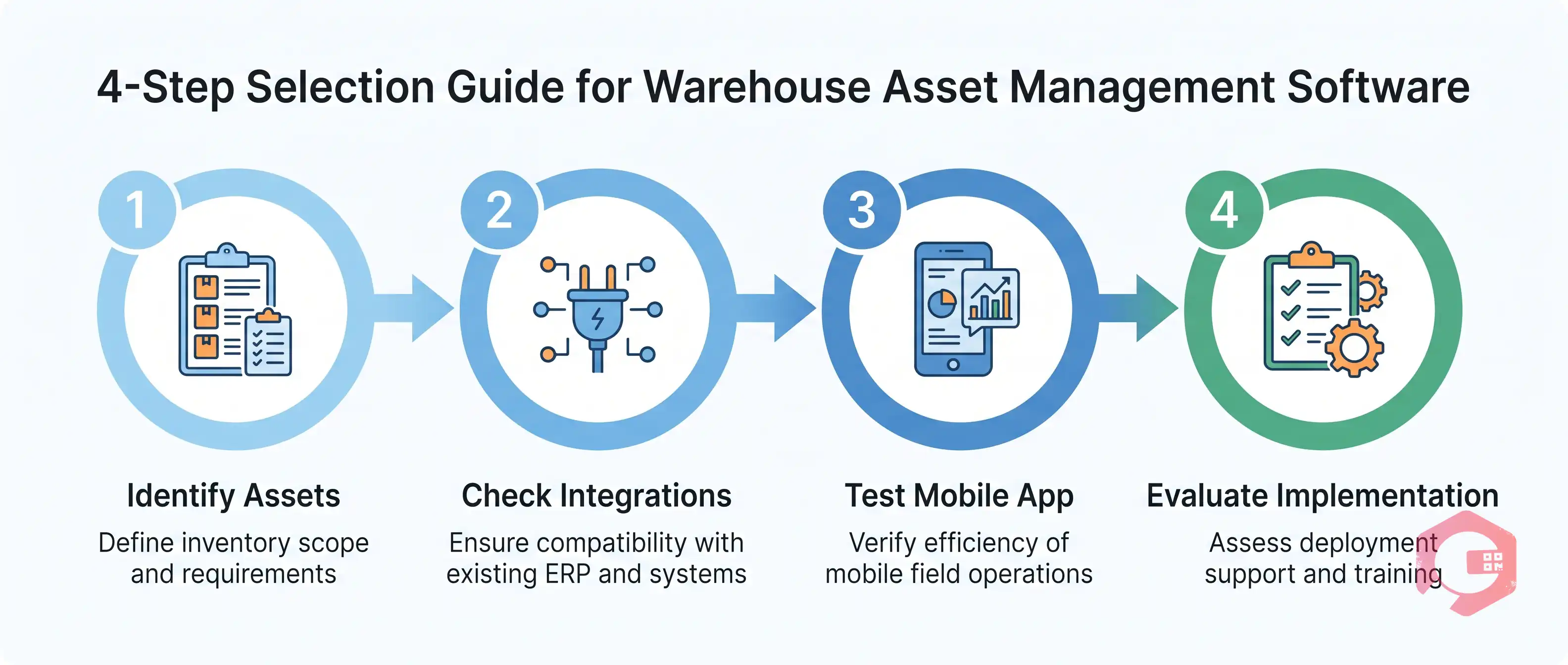
Before you evaluate vendors, answer these four questions:
Warehouse asset management software is a digital platform that helps maintenance teams track, schedule maintenance for, and monitor the performance of physical assets inside a warehouse. It typically includes work order management, preventive maintenance scheduling, asset tracking, spare parts inventory, and maintenance KPI dashboards.
A Warehouse Management System (WMS) manages inventory movements and order fulfillment processes. Warehouse asset management software - often a CMMS - manages the physical equipment that makes those processes possible. WMS tracks where your stock is; asset management software tracks the health and maintenance history of the machines that move that stock.
The most important warehouse maintenance KPIs are MTTR (Mean Time to Repair), MTBF (Mean Time Between Failures), PM compliance rate, asset availability percentage, and cost per work order. World-class maintenance programs target a PM compliance rate of 95% or above and asset availability above 90% for critical equipment.
Yes - a modern CMMS is the most common platform for warehouse asset management, centralizing maintenance scheduling, work orders, asset history, and spare parts in one place. Purpose-built platforms like Cryotos add mobile apps, real-time dashboards, and IoT integration built for warehouse conditions.
If your warehouse still tracks maintenance on spreadsheets or paper logs, the move to dedicated asset management software is faster than most teams expect. Cryotos CMMS is built for this transition - with mobile-first work orders, drag-and-drop PM scheduling, real-time downtime tracking, and QR code asset scanning ready out of the box. See how Cryotos works for warehouse teams or explore the full asset management software feature set.



Cryotos AI predicts failures, automates work orders, and simplifies maintenance—before problems slow you down.



