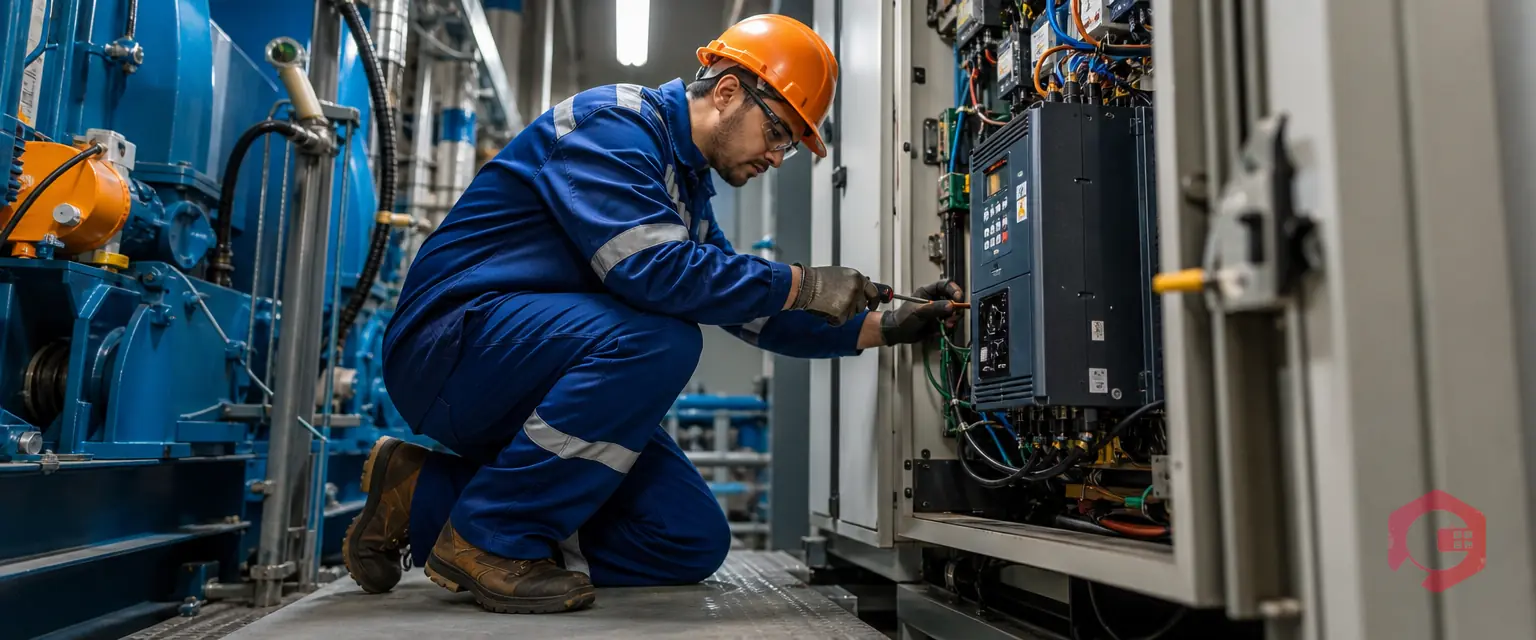
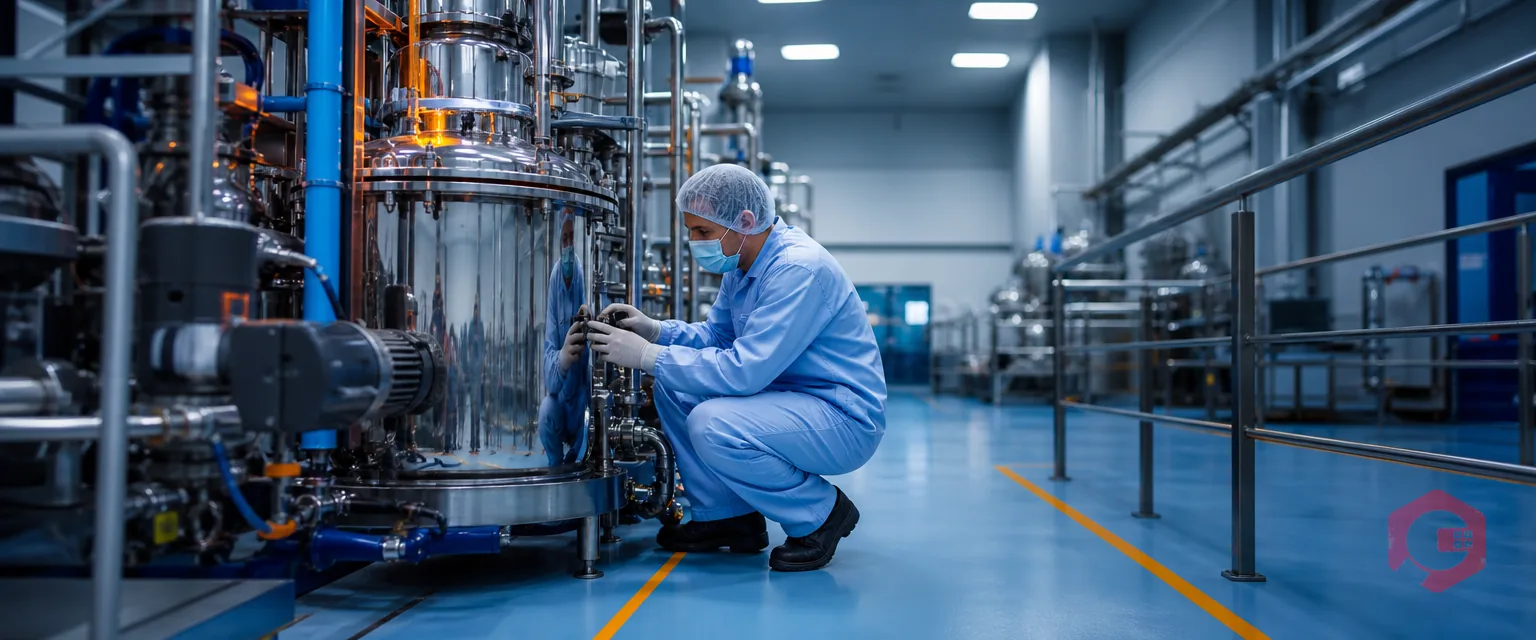
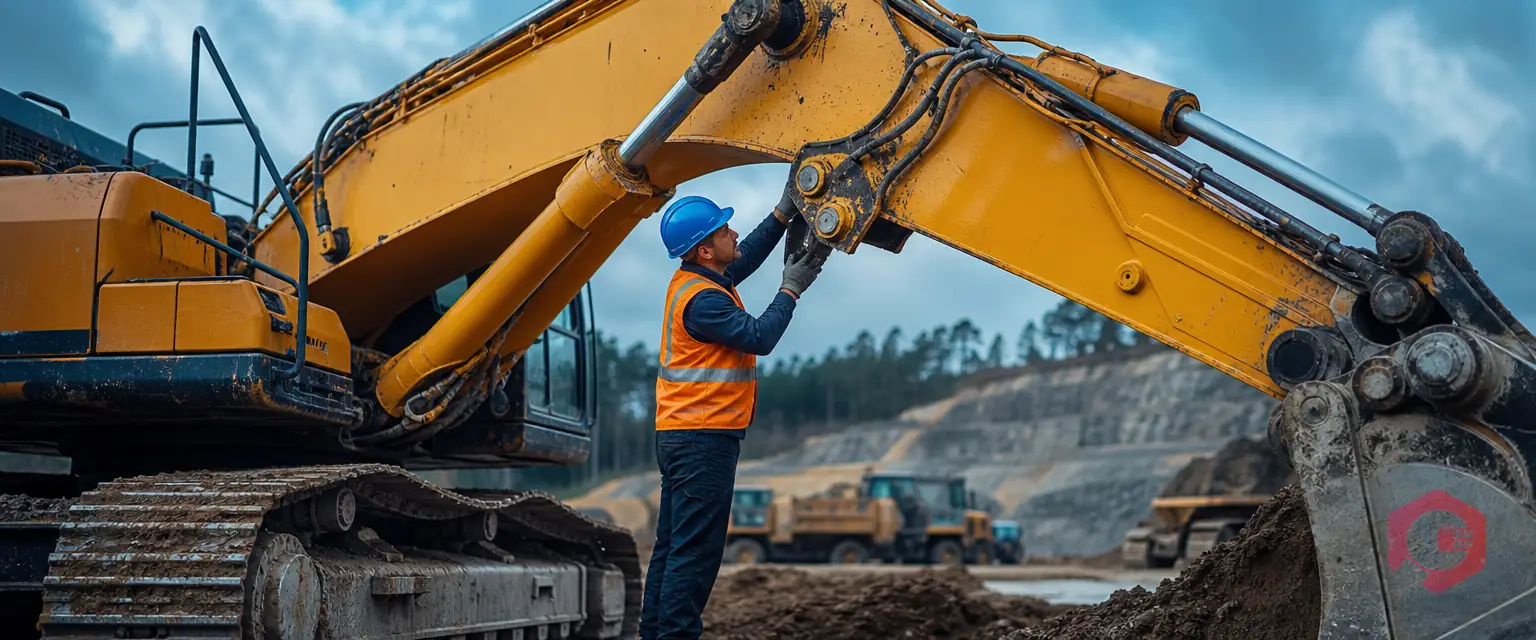
Every maintenance team has faced that dreaded moment - a critical piece of equipment breaks down in the middle of a production run, and suddenly the entire operation grinds to a halt. The repair costs pile up, deadlines slip, and the team scrambles to get things running again. More often than not, that breakdown could have been avoided with a solid preventive maintenance strategy in place.
Preventive maintenance is one of the most effective ways to keep your equipment reliable, extend asset life, and reduce the total cost of ownership. Yet many organizations still rely heavily on reactive maintenance, fixing things only after they fail. In this guide, we will walk through everything you need to know about preventive maintenance in 2026 - from the fundamentals to building a program that delivers real results.

Preventive maintenance (often abbreviated as PM) is a proactive maintenance strategy where tasks are performed on equipment at scheduled intervals to reduce the likelihood of failure. Rather than waiting for a machine to break down, maintenance teams inspect, service, and replace components before problems occur.
Think of it like changing the oil in your car every 5,000 miles. You do not wait for the engine to seize - you perform routine service to keep everything running smoothly. The same principle applies to industrial equipment, HVAC systems, production lines, and facility infrastructure.
Preventive maintenance tasks typically include lubrication, cleaning, parts replacement, calibration, and inspections. These activities are scheduled based on time intervals (such as weekly or monthly), usage metrics (like operating hours or cycles), or manufacturer recommendations.
You might also hear the term "preventative maintenance" used interchangeably. Both terms refer to the same concept, and the distinction is purely a matter of regional language preference rather than a difference in approach.

Organizations that rely solely on reactive maintenance - also known as "run to failure" - typically spend 2 to 5 times more on repairs than those with a structured PM program. But cost savings are only part of the picture.
Equipment failures do not wait for a convenient time to happen. Unplanned downtime disrupts production schedules, delays deliveries, and frustrates everyone from the shop floor to the C-suite. A well-executed preventive maintenance program catches potential failures early, keeping operations running on schedule.
Machines that receive regular care simply last longer. Routine servicing prevents the kind of wear and tear that leads to premature equipment replacement, protecting your capital investment.
Poorly maintained equipment is a safety hazard. Regular inspections and servicing help identify risks before they become incidents. In regulated industries like food and beverage, pharmaceuticals, and oil and gas, preventive maintenance is often a compliance requirement under standards like OSHA, FDA, and ISO 55000.
When maintenance is scheduled rather than reactive, you can plan labor, parts, and budgets more effectively. Your team is not constantly firefighting, and your spare parts inventory stays under control.
Equipment that runs within its designed parameters consumes less energy, produces fewer defects, and delivers more consistent output. This has a direct impact on your overall equipment effectiveness (OEE) scores.
Understanding where preventive maintenance fits among other strategies helps you build a balanced maintenance program.
Equipment is repaired only after it breaks down. This approach works for non-critical assets where the cost of failure is low, but it is expensive and risky when applied to essential production equipment. Reactive maintenance often leads to longer repair times because failures are unpredictable and parts may not be on hand.
Tasks are performed at scheduled intervals regardless of equipment condition. This is the backbone of most maintenance programs and strikes a good balance between cost and reliability for the majority of assets.
Condition-monitoring technologies like vibration analysis, thermal imaging, and oil analysis are used to detect early signs of wear. Maintenance is performed only when data indicates it is needed. While more precise than preventive maintenance, it requires a higher upfront investment in sensors and monitoring tools.
Planned repairs carried out after a defect has been identified but before a complete failure occurs. Corrective maintenance is often triggered by findings during a preventive maintenance inspection. For instance, if a technician notices unusual vibration during a routine PM check, a corrective work order is created to address it.
The most effective maintenance programs use a combination of all four strategies, applying each one to the assets where it makes the most sense based on criticality, cost, and risk.

Not all preventive maintenance looks the same. Depending on your equipment and operational needs, you can apply different types of PM.
Tasks are scheduled at fixed time intervals - daily, weekly, monthly, quarterly, or annually. This is the most common type of preventive maintenance and works well for assets with predictable wear patterns. Examples include monthly HVAC filter replacements, quarterly fire extinguisher inspections, and annual electrical system testing.
Maintenance is triggered when equipment reaches a specific usage threshold, such as a set number of operating hours, production cycles, or miles driven. This approach is particularly effective for assets whose wear correlates directly with how much they are used. A fleet manager might schedule oil changes every 10,000 miles, or a plant manager might require bearing inspections after every 500 hours of operation.
While condition-based maintenance (CBM) is sometimes categorized separately, it can also be viewed as an advanced form of preventive maintenance. CBM uses real-time data from sensors and monitoring equipment to trigger maintenance when specific thresholds are crossed - such as a temperature spike, increased vibration, or a drop in fluid quality.
The newest evolution, prescriptive maintenance uses artificial intelligence and machine learning to not only predict when a failure might occur but also recommend the best course of action. It analyzes historical data, operating conditions, and external factors to prescribe optimal maintenance timing and methods.

Rolling out a preventive maintenance program does not happen overnight. It takes thoughtful planning, the right tools, and buy-in from your team. Here is a step-by-step approach that works.
Start by building a complete list of all equipment and assets that need to be maintained. For each asset, document the manufacturer, model, serial number, location, installation date, and criticality level. This asset registry becomes the foundation of your entire PM program.
Not every asset needs the same level of attention. Use a criticality analysis to rank your equipment based on factors like safety impact, production impact, repair cost, and failure frequency. Focus your preventive maintenance efforts on the assets where failure would cause the most damage.
For each priority asset, determine the specific maintenance tasks that need to be performed and how often. Refer to manufacturer recommendations, industry standards, and your team's operational experience. Common PM tasks include visual inspections, lubrication, filter changes, belt and hose replacements, calibration, and cleaning.
Document every PM task with clear, step-by-step instructions that any qualified technician can follow. Include safety precautions, required tools, parts needed, and estimated completion time. Standardized procedures reduce errors and ensure consistency across shifts and locations.
Trying to manage a preventive maintenance program with spreadsheets and paper work orders is a recipe for missed tasks and lost data. A Computerized Maintenance Management System (CMMS) automates scheduling, tracks work order completion, manages spare parts inventory, and provides the reporting you need to measure program performance.
Modern cloud-based CMMS platforms like Cryotos make it easy to set up recurring PM schedules, assign tasks to technicians via mobile devices, attach checklists and photos to work orders, and monitor KPIs like PM compliance and mean time between failures (MTBF) from a centralized BI dashboard.
A preventive maintenance program is only as strong as the people executing it. Train your technicians not just on the technical procedures but also on why PM matters and how it reduces their workload over time. When the team understands the purpose behind scheduled maintenance, they are far more likely to follow through consistently.
Track your PM program's performance using key metrics like PM compliance rate (the percentage of scheduled PMs completed on time), mean time between failures, maintenance cost as a percentage of asset replacement value, and the ratio of planned versus unplanned work orders. Review these numbers regularly and adjust your task frequencies and procedures based on what the data tells you.

Preventive maintenance looks different depending on the industry and the types of assets involved.
Regular inspection and lubrication of conveyor belts, scheduled replacement of cutting tools, monthly calibration of quality control instruments, and quarterly electrical system testing on CNC machines.
Seasonal HVAC servicing, weekly plumbing inspections, monthly fire safety equipment checks, and annual roof and structural assessments.
Biomedical equipment calibration, sterilization system validation, backup generator testing, and HVAC maintenance to maintain cleanroom standards.
Daily sanitation of processing equipment, temperature sensor calibration, quarterly refrigeration system maintenance, and CCP (Critical Control Point) equipment verification.
Pipeline integrity inspections, valve and pump servicing, corrosion monitoring, and safety instrumented system testing.

Even well-intentioned PM programs can fall short if you are not careful about a few common pitfalls.
More maintenance is not always better. If you are replacing parts too frequently or performing unnecessary inspections, you are wasting labor and materials without improving reliability. Let the data guide your frequencies, not gut instinct alone.
If you are collecting maintenance data but not analyzing it, you are missing the whole point. Trends in failure patterns, repair times, and parts consumption should inform how you adjust your PM program over time.
When production pressure mounts, preventive maintenance is often the first thing that gets deferred. This short-term thinking leads to more breakdowns and more unplanned downtime down the road. Protect your PM schedule the same way you protect your production schedule.
Managing PM tasks on whiteboards, spreadsheets, or email threads makes it nearly impossible to track compliance, measure results, or scale the program. A purpose-built CMMS eliminates these bottlenecks and gives your team a single source of truth.
Preventive maintenance has come a long way from clipboard-based inspection rounds. Today, technology is reshaping how organizations approach PM at every level.
These technologies are not futuristic - they are available right now in modern CMMS platforms, and they are making preventive maintenance programs more effective and easier to manage than ever before.
If your organization is still heavily reliant on reactive maintenance, shifting to a preventive approach can feel overwhelming. The good news is that you do not have to transform everything at once.
Start with your most critical assets - the equipment whose failure would have the biggest impact on safety, production, and cost. Build PM schedules for those assets first, get your team comfortable with the process, and then expand the program gradually.
The right CMMS platform makes this transition dramatically easier. Cryotos CMMS is built to help maintenance teams of all sizes implement and scale preventive maintenance programs with features like automated PM scheduling, mobile work order management, real-time asset tracking, and powerful analytics dashboards.
Whether you are running a single facility or managing maintenance across multiple locations, having the right technology foundation turns preventive maintenance from a good intention into a measurable competitive advantage.
Ready to build a preventive maintenance program that actually works? Take a free product tour of Cryotos CMMS and see how easy it is to get started.
Cryotos AI predicts failures, automates work orders, and simplifies maintenance—before problems slow you down.