
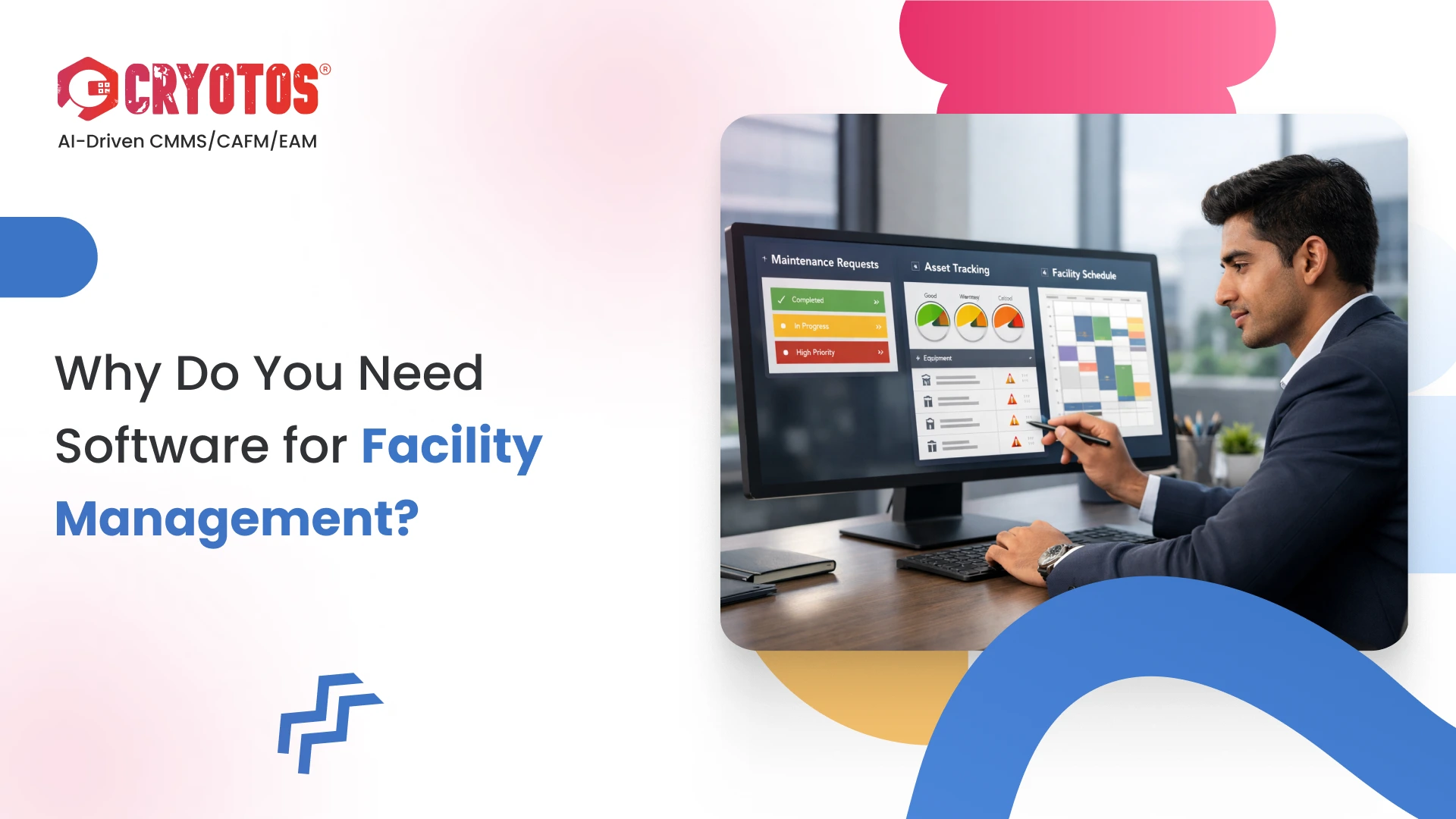
The operation of a current-day facility is no longer a matter of ensuring that the lights are on, and the floors are adorned with cleanliness. It is a complicated coordination of resources, individuals, workforce, and information. However, to their astonishment, many organizations continue to use a set of disjointed tools to continue running their operations such as spreadsheets, emails, paper form, and a chain of phones.
Although these manual systems may appear convenient or economical at the face of it, they cannot match the needs of the environment of today. Facility managers are resorting to specific technology to be competitive, minimize downtime, and increase the life of assets.
It is due to this reason that the implementation of Facility Management (FM) software is no longer a luxury, but a strategic requirement of your business.
The use of Excel or paper logs has a widespread myth that is free. Although you do not have to pay a subscription fee every month to use a spreadsheet, the costs incurred because of inefficiency and human error and lost opportunities are astounding.
The manual management puts the organization into a trap of reactiveness that consumes resources in four particular ways:
Data is spread out on desktops which are isolated and in physical files without a centralized system. Dependence on the Spreadsheet Trap results in bottlenecks which have siloed information to certain people. Worst of all, research indicates that almost 90 percent of spreadsheets are not error-free; including simple typos and broken formulas and make decisions based on erroneous information.
Paper-based processes hold managers to their desks. Phone call transcription into work orders creates the effect of the Lost in Translation where the technician shows up knowing that they are not given the right context, tools or parts to solve the problem.
Manual tracking normally leads to correcting what goes wrong. This is a reactive solution that costs you to make costly emergency repairs, experience serious operational downtimes, and lose a large percentage of the life your capital asset would have.
Making decisions without information about staff and energy is nothing but an educated guess. You run the risk of overstaffing lower-priority shifts or overheating vacant rooms, unnecessarily increasing the cost of doing business.
Introducing powerful FM software will turn your business into a coherent battle into an asset. With the help of automation, cloud connectivity, and the Internet of Things (IoT), you will be in control of your facility.
Here are the top five reasons to make the switch:
FM software is used as a source of truth. It puts all the assets of detail, maintenance record, and compliance documents on a single platform. Rather than pursuing the sticky notes, customers send requests through a portal with the software automatically helping to direct the correct technician to the work order. This guarantees accountability and reduced service delivery time.
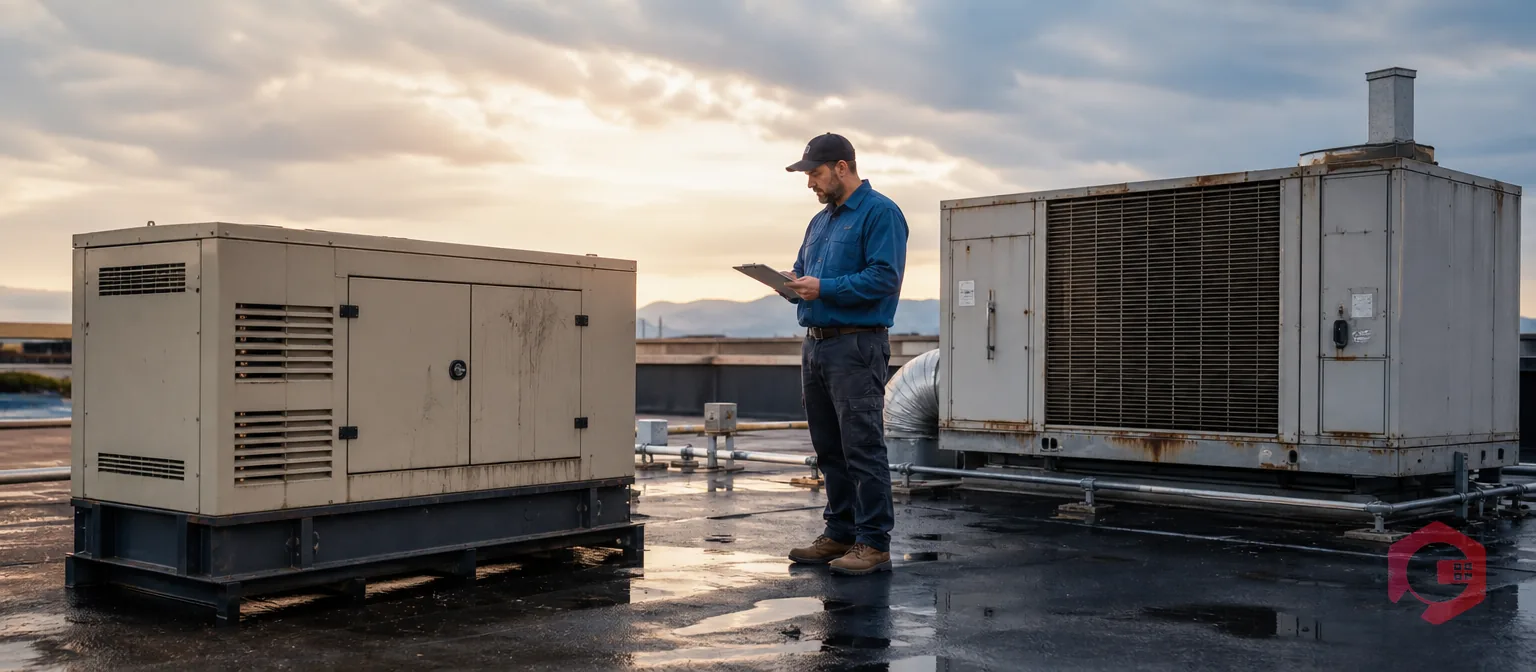
This is the only greatest ROI factor. Software enables you to change fighting fires to avoid them. You could prevent failure of equipment before it fails by performing maintenance at the time of actual use of trends or real time IoT sensor measurements (vibration or temperature alerts). This reduces any unforeseen costs of repair, as well as uptime of assets.
Modern CAFM (Computer-Aided Facility Management) solutions untether your team from the office. Cloud-based mobile apps ensure that field technicians have access to work orders, manuals, and asset histories directly on their smartphones, drastically improving the "first-time fix" rate.
Stop guessing and start proving. FM software creates comprehensive analytics dashboards that turn raw data into intelligence. You can easily export historical data-such as labor hours or equipment downtime-to justify budget increases or capital improvements to upper management.
While there is an initial investment, long-term savings are undeniable. Optimized energy consumption, extended asset lifecycles, and the elimination of administrative redundancy drive a healthy Return on Investment (ROI) that pays for the software many times over.
Moving from manual processes to an automated environment is a transformation of people, processes, and technology. Here is a roadmap to ensure a successful implementation:
Don't just buy software; align it with your goals. Assess your legacy systems and plan security, ensuring that any new IoT devices are protected against cyber threats.
Gather your scattered data. As you migrate asset details and maintenance records into the new system, take the time to "cleanse" the data to eliminate old spreadsheet errors.
Set up your workflows. Configure the system to automatically assign tasks and require specific details (like photos or readings) from users during request submission.
Equip your workforce with mobile apps and conduct training sessions. The goal is to ensure your team is comfortable logging and tracking jobs from the field immediately.
Once live, switch your focus to predictive strategies. Monitor your real-time dashboards to tweak energy usage and maintenance schedules for maximum efficiency.
FM software will help in connecting the gap between stationary data and dynamic field operations. With mobile accessibility and real-time analytics, you will change the way your team functions.
Understanding the need for software is the first step; choosing the right partner is the next. Cryotos stands out as a comprehensive Field Service Management and CMMS solution designed to tackle the specific "hidden costs" of manual management.
When you purchase Cryotos, you are not simply purchasing software, but you are getting an ally that is committed to helping your facility perform at its best profitability.
The adherence to the traditional manual facility management techniques within the digital environment is a stagnation strategy. The ulterior expenses of management overheads, ineffective communications and reparation are probably costing your company more than you are aware of it.
When using Facility Management software, you are not merely implementing a paperless policy but opening the door to a culture of data analysis and proactivity. The software is used to provide the visibility and control needed to make your facility a strategic advantage, whether it is empowering your mobile workforce, or extending the life of your costly assets.
Are you willing to quit the spreadsheet trap?


Cryotos AI predicts failures, automates work orders, and simplifies maintenance—before problems slow you down.



