Roles and Responsibilities of a Facility Manager

Article Written by:

Meyyappan

Created On:

December 16, 2022

Responsibilities of a Facility Manager

Table of Contents:

Facility Managers are the invisible heroes who have been holding businesses together over the decades. However, very often, the job is just continuous firefighting. You must fight against the increasing operation costs, aging infrastructures, and unexpected failures of equipment that halt productivity. On top of that, there is the strain of a strict compliance rule and the mayhem of having to handle data using piecemeal spreadsheets or paper trails, and one is likely to get drowned. The former system of facility management of memory and manual logs is not only inefficient but is a liability.  

The role is evolving rapidly. The new generation of Facility Managers is not fixing anything; they are tactical leaders maximizing resources, creating a more sustainable world, and utilizing data to forecast failures. The market is shifting towards reactive chaos to proactive control, where decision-making processes are driven by real-time information.  

Cryotos facilitates this change. Being an AI-based CMMS, it puts all your operations in one place, automates maintenance processes, and ensures compliance, using a single platform that is mobile-friendly. Cryotos provides you with the tools to cease combating fires and begin to construct a smarter and more productive facility and make your operations a competitive edge.  

The Role of a Facility Manager

In the simplest sense, it is described as a Facility Manager being a liaison between people and the physical infrastructure of an organization. Their major task is to have the built environment support the strategic objectives of the organization.  

This is not a simple job of fixing things. It is a tactical field that is a combination of operational effectiveness, safety of its employees, and stewardship of its finances. A Facility Manager is the CEO of the building because he or she oversees the lifecycle of the assets, controls the vendor relationships, and maximizes space. They find a fine balance between operations that are economical and those that offer a high-quality environment to occupants.  

Core Responsibilities of a Facility Manager

The role of a Facility Manager is huge, and it encompasses all activities that include the boardroom to the boiler room. The most important duties that characterize the role are as follows:  

1. Maintenance and Repair Management

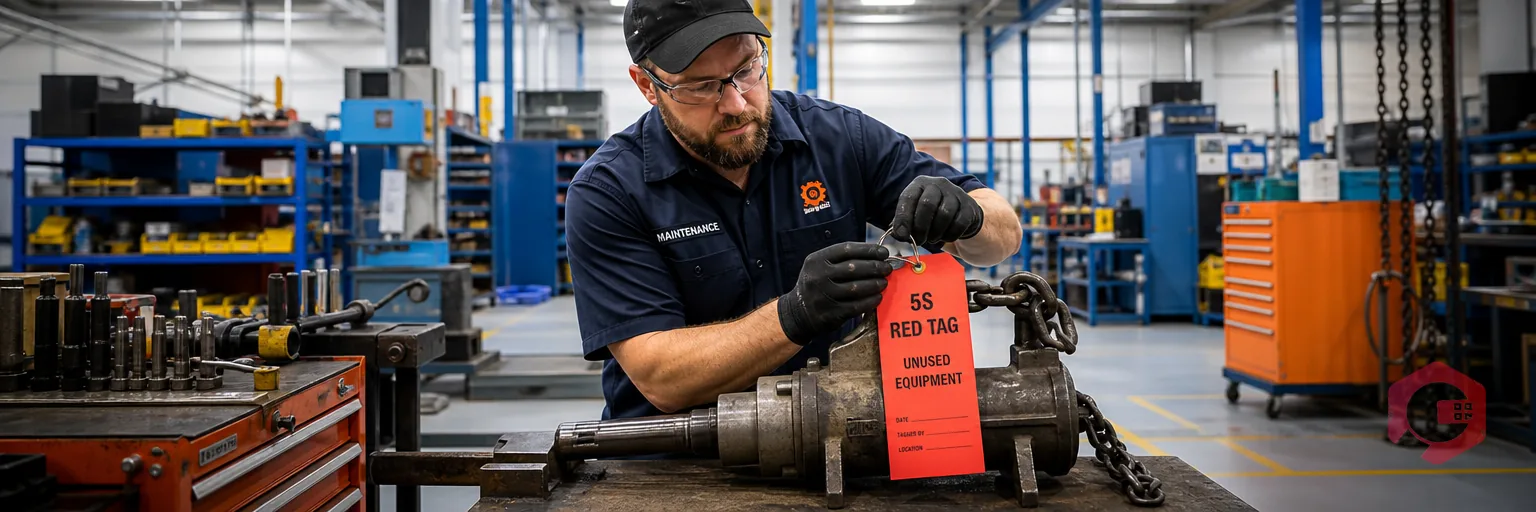
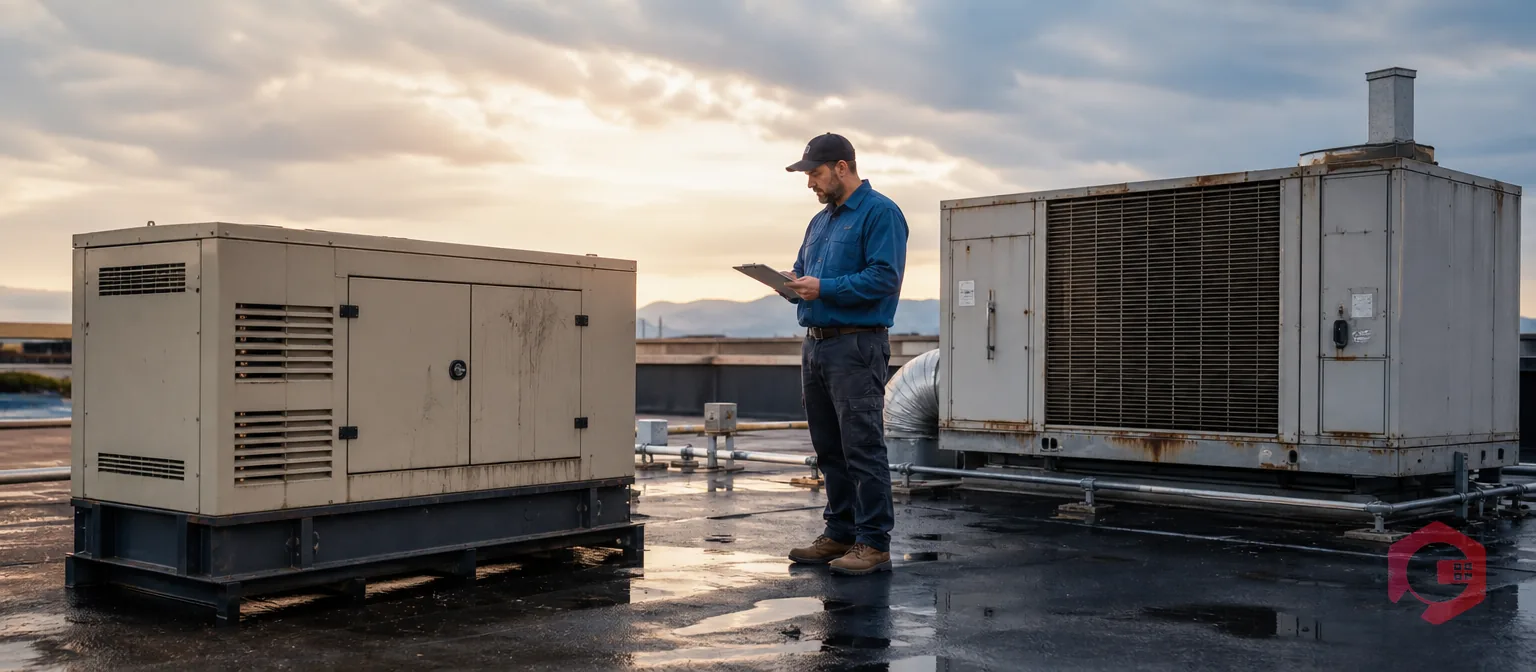
The most obvious factor of the job is to make sure that the infrastructure of the facility, including HVAC, plumbing, electrical systems, and machinery, works continuously.

  • Action: Conduct routine checks and balances, reactive maintenance, and Preventive Maintenance (PM) measures to increase the life of assets by minimizing downtimes.

2. Space Management & Optimization

Real estate is a big cost, and thus efficient utilization of space is essential.  

  • Action: Determine office layouts, handle transfers, and use space utilization information to make sure that every square foot is used productively.

3. Health, Safety, and Compliance (EHS)

The welfare of occupants cannot be compromised.  

  • Action: Have frequent safety inspections, adhere to local standards (such as the OSHA), and uphold high standards in fire safety, sanitation, and control of hazards.

4. Environmental Sustainability

Green initiatives are spearheaded by modern FMs.  

  • Action: Observe energy use, initiate waste management, and make sure that the facility is compliant with environmental regulations to reduce the negative carbon footprint of the organization.

5. Budgeting and Financial Stewardship

FMs have to give the best at a reasonable cost.

  • Action: To reduce the carbon footprint of the organization, monitor the energy use, deploy waste minimization, and ensure that the facility complies with environmental regulations.

6. Security Management

The safeguarding of physical assets and individuals is the key.  

  • Action: Supervise the security measures, control the access control systems, coordinate with security staff, and oversee surveillance measures to avoid unauthorized access or theft.

7. Stakeholder Communication

The communication hub is an FM.  

  • Action: Be the go-between between the employees, management, and outsourcing vendors. Effective communication will help ensure that the needs of the facility are addressed and the management of expectations.

8. Emergency Planning and Crisis Management

The FM is in control when there is a disaster.  

  • Action: Formulate and practice detailed emergency preparedness plans for fires, power outages, natural disasters or security breaches to ensure business continuity.

9. Technology Integration

The contemporary facility is an intelligent facility.  

10. Vendor and Contract Management

None of the FM is operating solo, but they depend on a network of their partners.  

  • Action: Find and bring in and control third-party contractors (cleaning, security, catering). Get services to the level of the agreed service level agreements (SLAs) and bargain at the best value.

Essential Soft Skills for Success

Although technical knowledge is important, the human aspect of facility management is also crucial. To thrive, an FM needs:

  • Communication Skills: It involves the ability to translate technical lingo into business language to the executives or the ability to give clear instructions to the staff.  
  • Problem-Solving Agility: Every pipe is bursting, or the power is switched off, and an FM is required to make up his/her mind and find instant responses.  
  • Leadership:  The Leadership skills are essential to deal with various teams, such as janitorial crews to engineering personnel, and to be able to create a team that is cohesive and motivated.  
  • Negotiation: Good or bad, you are going to negotiate with your vendors to give you a good price, or you are going to have to negotiate with your own internal space conflicts.
     
  • Time Management: Since the list of things to do is endless, prioritizing effectively is the solution to burnout.  
  • Adaptability: The environment in the facility is flexible. The great FM will be open to change, however, whether its emergence of new technology or an abrupt change in organizational requirements.

How Technology and CMMS Empower Facility Managers

Gone are the days when there was the use of spreadsheets and paper checklists in the running of facilities. The industry has been transformed into digital transformation.  

Implementing a Computerized Maintenance Management System (CMMS) will enable Facility Managers to stop being reactive in their approach, which is firefighting, and become proactive in their approach, which is strategic planning. Technology offers real time into the operations, work streamliness and access to data that was not previously accessible.  

Key Benefits of Using a CMMS:

  • Centralized Data: View all asset history, warranties, and maintenance records on a single safe cloud platform.  
  • Automated Scheduling: With automatic reminders and automatic work order generation, you will never miss a preventative maintenance task again.  
  • Asset Lifecycle Management: Use data to decide when to repair vs. replace equipment, optimizing ROI.  
  • Inventory Control: Spare parts are automatically kept track of, and an alert is sent when the stock is low so that there are no delays.  
  • Compliance & Reporting: Create audit-ready reports in real-time to demonstrate compliance and measure operational costs.  
  • Mobility: Allow technicians to update and add photos on work orders and do it in the field with mobile applications.  

Why Choose Cryotos CMMS?

Cryotos CMMS has got you covered in terms of efficiency when it comes to taking your facility management to the next level. Cryotos is an all-purpose suite of powerful controls designed to meet the requirements of the challenges of modern facilities:

  • Real-Time Monitoring: Track work orders and technician status.  
  • Mobile-First Approach: Manage your entire facility from your smartphone.  
  • AI-Powered Analytics: Predict equipment failures before they happen.  
  • Workflow Automation: Customize workflows to match your specific business processes.  
  • Seamless Integration: Connects easily with your existing ERP and IoT devices.  

Conclusion

The Facility Manager is the silent engine ensuring business continuity. By balancing technical maintenance with strategic planning, they ensure that an organization's most valuable assets—its people and property—are safe, productive, and efficient.  

As buildings become smarter and sustainability becomes a priority, the role of the FM will only grow in importance. Equipping these professionals with the right tools, such as robust CMMS software, is the key to unlocking the full potential of any facility.  

Ready to streamline your facility management operations? Discover how Cryotos CMMS can transform your maintenance strategy today.


Want to Try Cryotos CMMS Today? Lets Connect!
Thank you! Your submission has been received!
Oops! Something went wrong while submitting the form.
Related Post