

Unexpected failures are a nightmare in manufacturing and make any small failure of equipment to be a crisis that costs the company and is costly to stop production. Using old spreadsheets or responsive fixes keeps your staff in the cycle of madness, always putting out fires rather than forestalling them.
The Smart Factory vision will fill this uncertainty with intelligence where machines are able to communicate through real time data and therefore, maintenance will occur prior to failure. This conversion helps to turn raw sensor data into a strategic asset that will ensure that the repairs being performed are not based on guesses, but on actual condition.
Cryotos CMMS serves as the key to this transformation and is the linking element between your IoT sensors and your maintenance team. Cryotos automates work orders using real-time information to transform your facility into an intelligent powerhouse, maximizing uptime and efficiency.
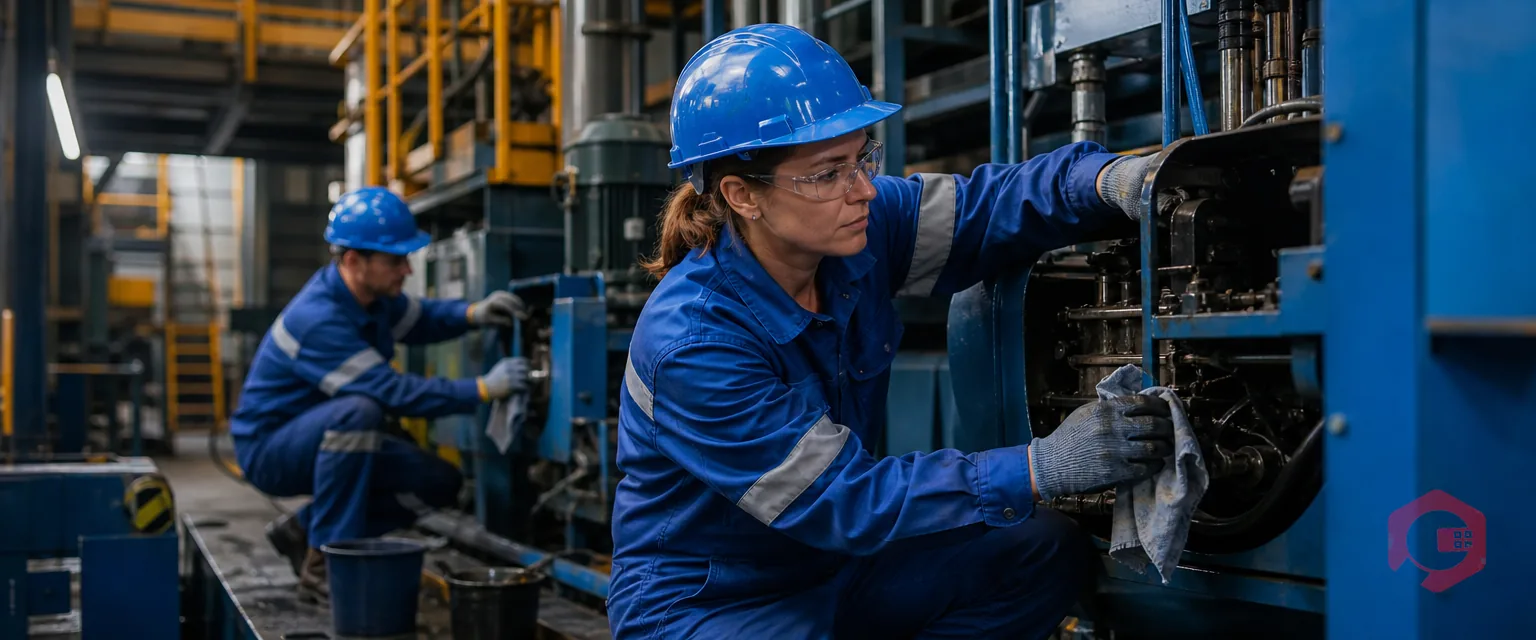
Run-to-Failure was the standard way of things over decades. However, it is the costliest approach to take in fixing things when they have gone wrong. It results in overtime labor expenses and expedited delivery of spare parts and above all, lost production time which can never be regained.
Even preventative maintenance is faulty. It is also effective but not intelligent to change the filter after every 30 days whether it is dirty or not. It squanders consumable components and man hours of labor on healthy equipment and may overlook problems on assets that will wear out more quickly than is planned.
Data is already being generated in most factories. Your SCADA, PLCs, and sensors are awakening with data streams. The problem? This information does not relate to the individuals who require it. It is remote in a silo which the maintenance team could not see. This is the biggest obstacle to a Smart Factory that exists: this Data Gap.
Cryotos is the intelligence layer of your operation, which immediately translates raw sensor data into understandable and actionable maintenance actions. This transformation is used to fill the gap between digital signals and physical repairs to make sure that no anomaly is missed.
Cryotos eliminates the guesswork by ingesting live data streams directly from your assets. Whether it's vibration analysis, temperature variance, or pressure levels, Cryotos monitors asset health 24/7. You no longer need to walk the floor to know if a machine is overheating; your CMMS knows instantly.
Data is useless without action. Cryotos utilizes the "If This, Then That" logic to automate your response.
Moving beyond the "now," Cryotos uses historical trends to predict the "future." By analyzing patterns in asset behavior, the system helps you transition from repairing machines to optimizing them, extending asset life and preventing failures before they even register as alarms.
To be completely modern on your maintenance operations, you must have tools that do not just serve to keep records but also empower your workforce. Cryotos is a full-fledged suite of intelligent features that should be seamlessly integrated into the ecosystem of your factory and the direct control of the techs into your hands.
Don't try to sensor everything at once. Start by identifying your " bad actors"-the 20% of machines that cause 80% of your downtime. These are the critical assets that require immediate connectivity.
Establish the data flow. This involves selecting the right sensors and ensuring your machinery can communicate with the central maintenance software via gateways or APIs.
Know what your danger zones are. You should determine normal operation measures and thus set correct alarm thresholds. This eliminates false positives and makes the alerts take seriously.
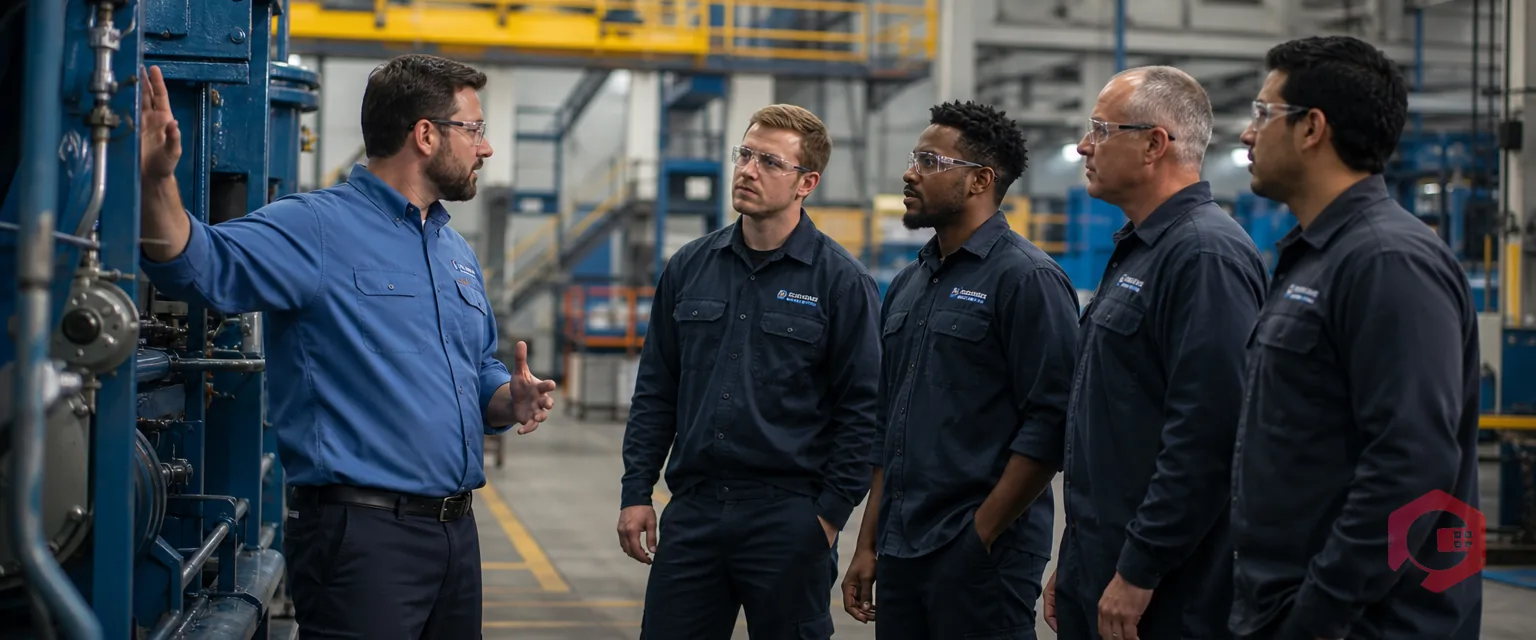
It is simple to use technology and difficult to alter behavior. You should train your maintenance crew to have faith in the data. Change the culture of heroic firefighting to dull efficiency where a dull day is a good day.
The IoT-based maintenance is an effective upgrade that should be implemented, yet these pitfalls should be avoided to guarantee its success in the long run.
The idea behind forming a Smart Factory does not mean that you need to swap your human resource with robots or invest in technologically advanced machinery; it simply means that your current resources should have a voice. By moving reactive fixes to more data-oriented approaches, you can enable your staff to address any problems before they disrupt production and make maintenance a cost center rather than a competitive advantage.
Cryotos form the essential filter in this conversion, converting sensor noise into unambiguous actionable processes. It makes sure that each data point gathered will lead to increased availability, an extended duration of assets of life, and efficiency in its operation.
Ready to stop paying for downtime? Explore how Cryotos can integrate with your factory's IoT ecosystem to automate your maintenance and protect your critical assets.

Cryotos AI predicts failures, automates work orders, and simplifies maintenance—before problems slow you down.



