

Think of a spinning frame or dye machine that malfunctions in the middle of the shift - industry is immediately halted; fabric is streaked, and deadlines are not met to ship the goods. This unplanned downtime in a 24/7 production cycle is not merely a pause, it is a straight-out blow against your bottom line, which is expensive.
Whereas in the 90s, spread sheets and paper records were enough, in the industry 4.0 era, real-time data is necessary to remain competitive. The textile industry is also swiftly moving out of reactive maintenance, whereby one tries to repair when the thing starts malfunctioning, into predictive maintenance, where the maintenance team tries to prevent something before it occurs.
This is where Cryotos steps in, not just as software, but as the "digital nervous system" of your factory floor. We ensure your machinery uptime aligns perfectly with production goals, safeguarding both your fabric quality and your operational efficiency.
A Computerized Maintenance Management System (CMMS) for textiles is more than a ticketing system for repairs. It is a lifecycle management tool for your most critical assets-from high-speed looms and ring frames to the massive boilers and HVAC systems that maintain the precise humidity levels required for quality spinning.
In many industries, a broken machine just means lost time. In textiles, a poorly maintained machine means lost quality. A loom that is slightly out of calibration doesn't stop working; it continues to run, producing thousands of meters of "B-grade" fabric. These defects directly hit your profit margins. A good CMMS ensures that machines aren't just running but running correctly.
Textile maintenance managers face a unique trifecta of hurdles:
Moving to a digital system does not necessarily have to be daunting. Here is the blueprint:
Build a virtual duplicate of your factory. Use a QR code on each loom, motor, and pump. This will enable the technicians to scan a machine and view the full history of its repairs in real time.
Additionally, replace paper checklists with mobile forms. The handovers of shifts are supposed to be digital in nature and the strange noise that the morning shift heard should not be forgotten by the night shift.
Install automated lubrication, cleaning, and calibration reminder. Most importantly, use it based on the number of hours that the machine operates instead of using random calendar dates to ensure the greatest level of efficiency.
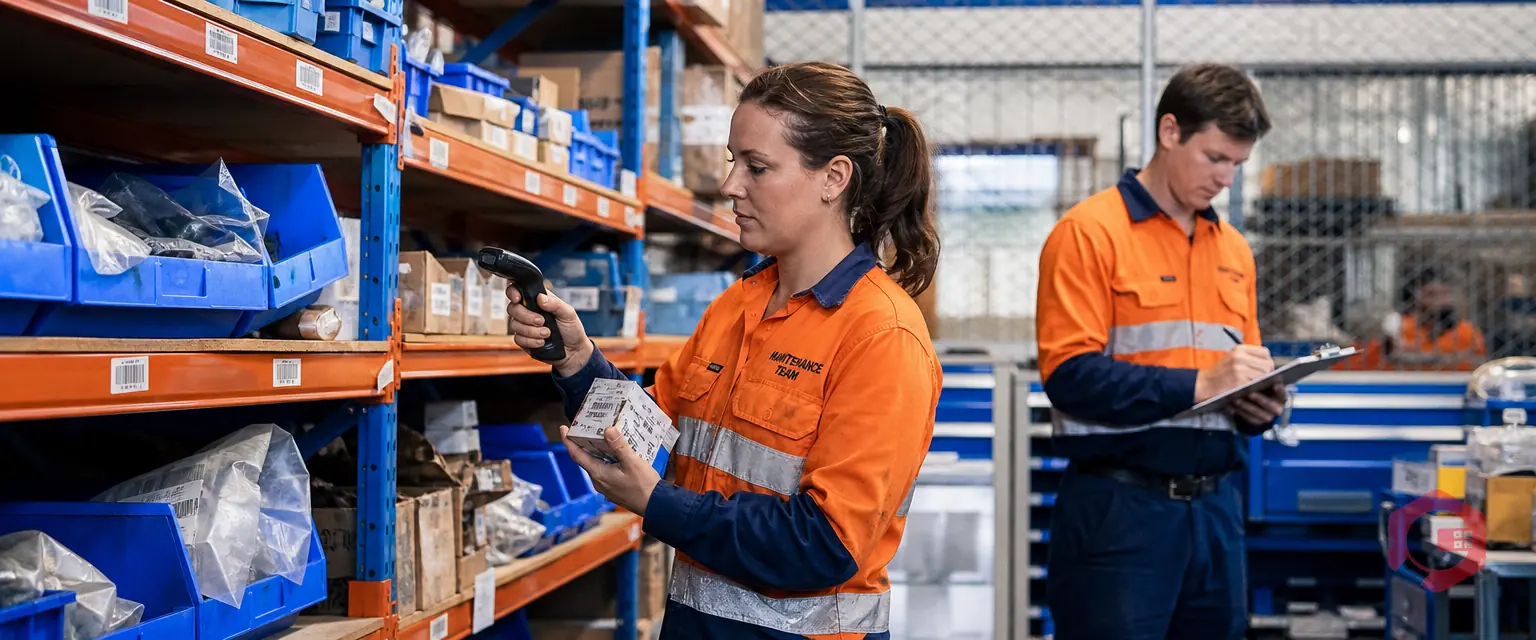
Link your spare parts inventory to specific machines. This prevents the nightmare scenario of a breakdown occurring only to find the necessary bearing is "out of stock."
Even experienced teams make errors that can be costly. Here is how a CMMS helps you avoid them:
Cryotos offers the following textile-related issues which require specific tools to address:
In the low-margin textile industry, operational efficiency is the only competitive advantage you can truly control. Moving away from reactive repairs to a robust CMMS transforms maintenance from a chaotic cost center into a strategic asset.
Cryotos ensures your machinery uptime aligns perfectly with production goals, protecting both fabric quality and profit margins. It is time to stop letting machine failures unravel your production schedules and start predicting them instead.
Ready to stop machine failures from unraveling your profits? Explore how Cryotos digitizes textile maintenance to ensure premium fabric quality and zero unplanned downtime.


Cryotos AI predicts failures, automates work orders, and simplifies maintenance—before problems slow you down.



